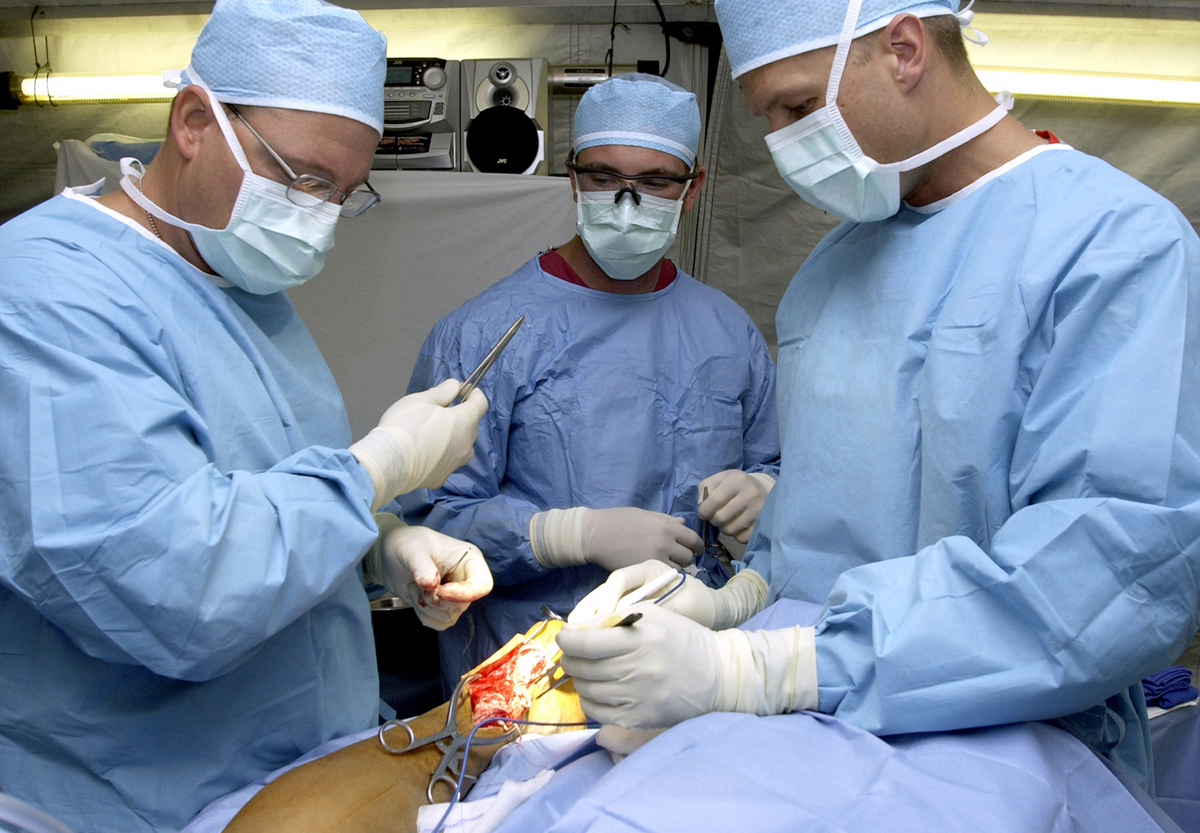
The video opens with a man in his 80s slumped in a hospital bed, his face hollow as he scrunches his eyes. A jump cut advances the scene three days: the man is alert now, words gathering as he identifies his son. Six months later, he is pictured sitting upright, engaged in conversation. His gaze is animated. At eight months, the man walks briskly down a hospital corridor. He recites a near-century-old Maoist military anthem from memory. He is practically unrecognizable from the withered figure in the opening frame. The footage records the recovery of a man who, in September 2020, became the first person in the world to undergo a surgery known as deep cervical lymphatic-venous anastomosis (dcLVA) to treat Alzheimer's disease. The procedure involves connecting tiny lymphatic vessels in the neck ' part of the drainage system that carries waste away from the brain ' to nearby veins, creating a route that, in theory, allows fluid and waste proteins to flow more easily into the bloodstream. The treatment was first reported1 in 2022 in a Chinese-language journal by microsurgeon Qingping Xie, president of the Qiushi Hospital in Hangzhou, China. At the time, it drew little notice. But that changed the following year, when Wei Chen, a lymphatic microsurgeon at the Cleveland Clinic in Ohio, began showing the footage (with consent from Xie and the man's family) at surgical meetings around the world....

Recently the actor Denise Richards shared several photos of her bare face that triggered a wave of double takes. In some, her side profile reflects the gentle weathering expected of nearly 55 well-lived years; in others, her face rewinds to how it looked during her Bond-girl era. It was as if, as one fan put it, she'd acquired a time machine. But nobody needed to guess how she transformed: She also posted an image from the morning of her facelift. In it, ink markings peppered her features, illustrating exactly where a surgeon would soon cut her skin open. Richards didn't just cop to cosmetic surgery. She shared who did it, how she prepared, what recovery felt like, and'perhaps most surprising'what it looked like, via post-op photos at two days, five days, eight days, 10 days, and 3.5 weeks: A bandage swaddled the former model's face in one, and purple bruises bloomed atop her cheeks; a handful of tiny, stitched scalpel cuts on the corners of her mouth and eyelids still looked fresh. Her goal, she told the beauty magazine Allure, had been to 'put things back up, where they were before,' adding that the procedures boosted her confidence and made her 'feel good.' Predictably, the photos went viral; fans applauded Richards's honesty. 'Bless her,' wrote one commenter, 'for showing us that she did this instead of pretending it's olive oil and yoga.'...
Hear the biggest stories from the world of science | 4 March 2026...
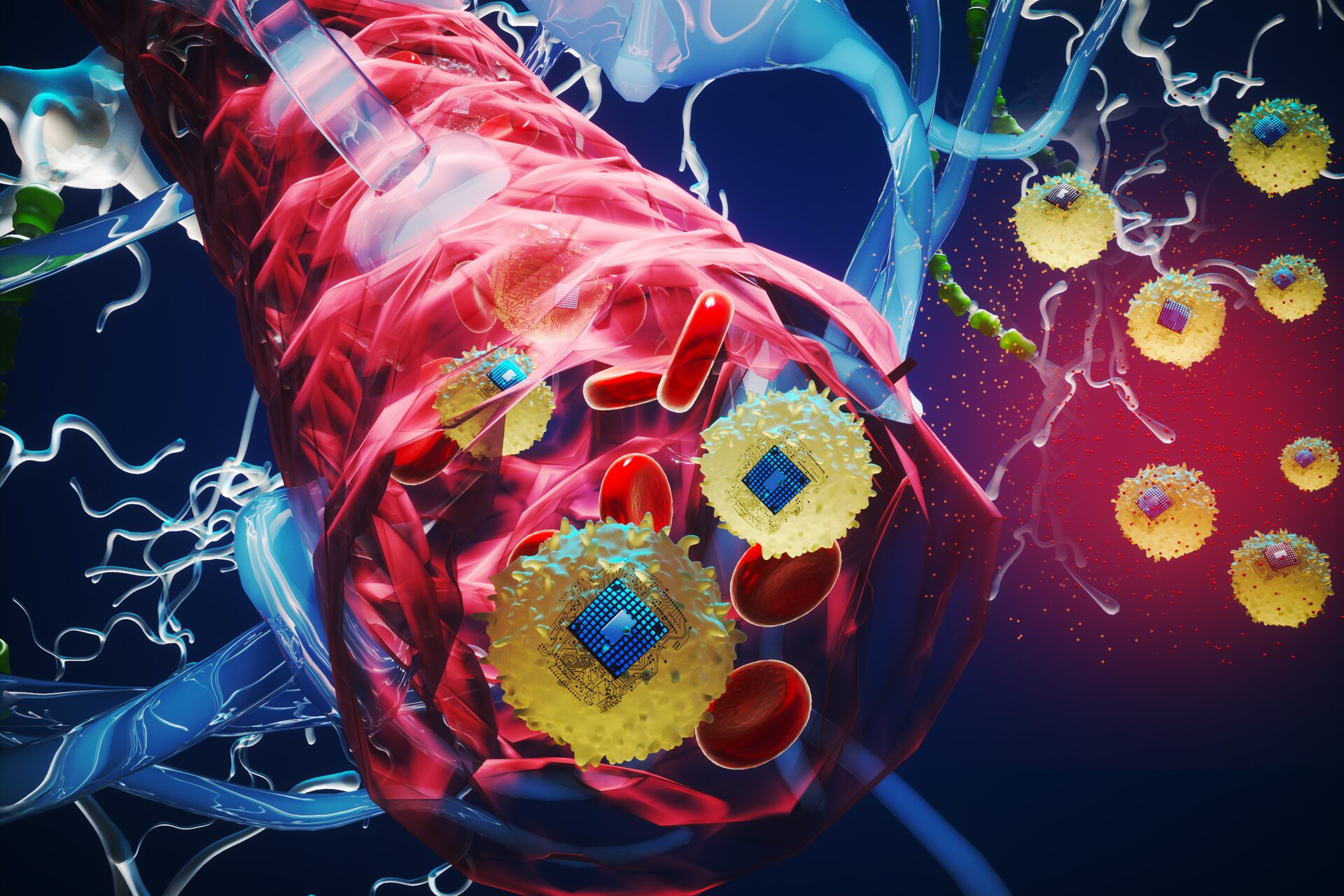
What if clinicians could place tiny electronic chips in the brain that electrically stimulate a precise target, through a simple injection in the arm' This may someday help treat deadly or debilitating brain diseases, while eliminating surgery-related risks and costs. MIT researchers have taken a major step toward making this scenario a reality. They developed microscopic, wireless bioelectronics that could travel through the body's circulatory system and autonomously self-implant in a target region of the brain, where they would provide focused treatment. In a study on mice, the researchers show that after injection, these miniscule implants can identify and travel to a specific brain region without the need for human guidance. Once there, they can be wirelessly powered to provide electrical stimulation to the precise area. Such stimulation, known as neuromodulation, has shown promise as a way to treat brain tumors and diseases like Alzheimer's and multiple sclerosis. Moreover, because the electronic devices are integrated with living, biological cells before being injected, they are not attacked by the body's immune system and can cross the blood-brain barrier while leaving it intact. This maintains the barrier's crucial protection of the brain....