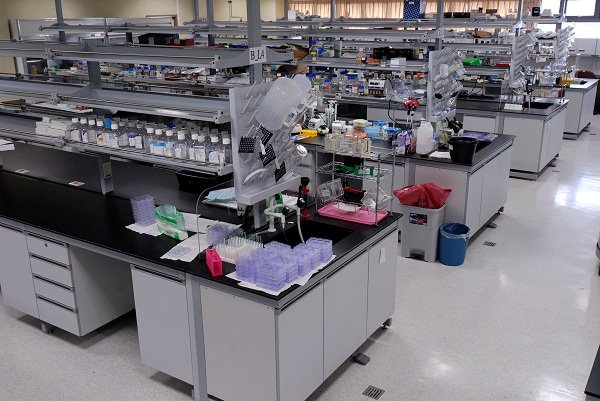
Did you know that the modern micropipette was invented by a German postdoc so frustrated with mouth pipetting that he ditched his lab for two days until could return with a prototype' Or that an 18th-century scientist sewed tiny taffeta pants for male frogs to determine whether or not semen was essential for fertilization' Or that an Italian physician spent 30 years weighing himself in a specially designed chair before and after eating, sleeping, and excreting to figure out exactly what accounted for the discrepancies he noticed' These stories and more, from how a machine using salvaged meat-slicing blades chopped up 6,000 glowing jellyfish per day and led to the discovery of GFP to how grabbing the wrong bottle while studying rooster sperm lead to modern cryopreservation, appear in our third book, Making the Modern Laboratory, now available for pre-order. Over 504-pages, 36 authors explain the origins of our most dependable and insightful research tools, making it a fine gift for both the science-curious and the working scientist....
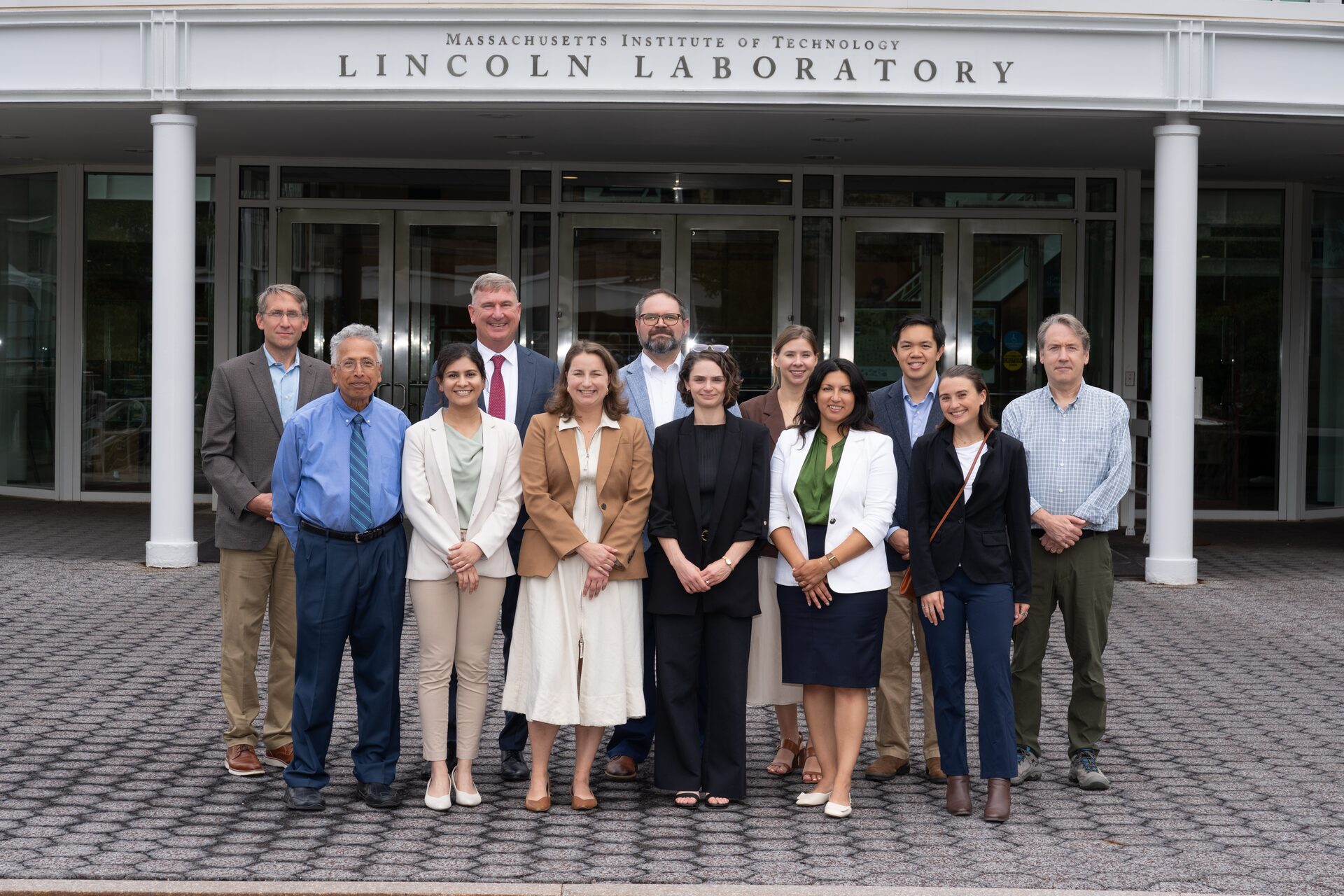
MIT Lincoln Laboratory hosted the National Security Commission on Emerging Biotechnology (NSCEB) on Sept. 3, for a stop on its national roadshow. The event convened representatives of state organizations, defense centers, universities, technology companies, and business executives to discuss how Massachusetts' biotechnology ecosystem can strengthen national biodefense capabilities. "We have a lot to leverage in this region to advance biotechnology," said Christina Rudzinski, assistant head of the Biotechnology and Human Systems Division at Lincoln Laboratory. "Many people are already working together to push the bioindustrial sector beyond biopharmaceuticals and into a broader ecosystem across industries. This synergy is where NSCEB comes in ' connecting policy to the real-world work already happening, including here at Lincoln Laboratory and across the state." Biotechnology touches many economic and defense sectors, from disease-resistant crops and lifesaving medicines to biofuels and advanced manufacturing materials. In 2022, Congress established the NSCEB to study the national security implications of this rapidly advancing field and issue policy recommendations to ensure continued U.S. leadership....
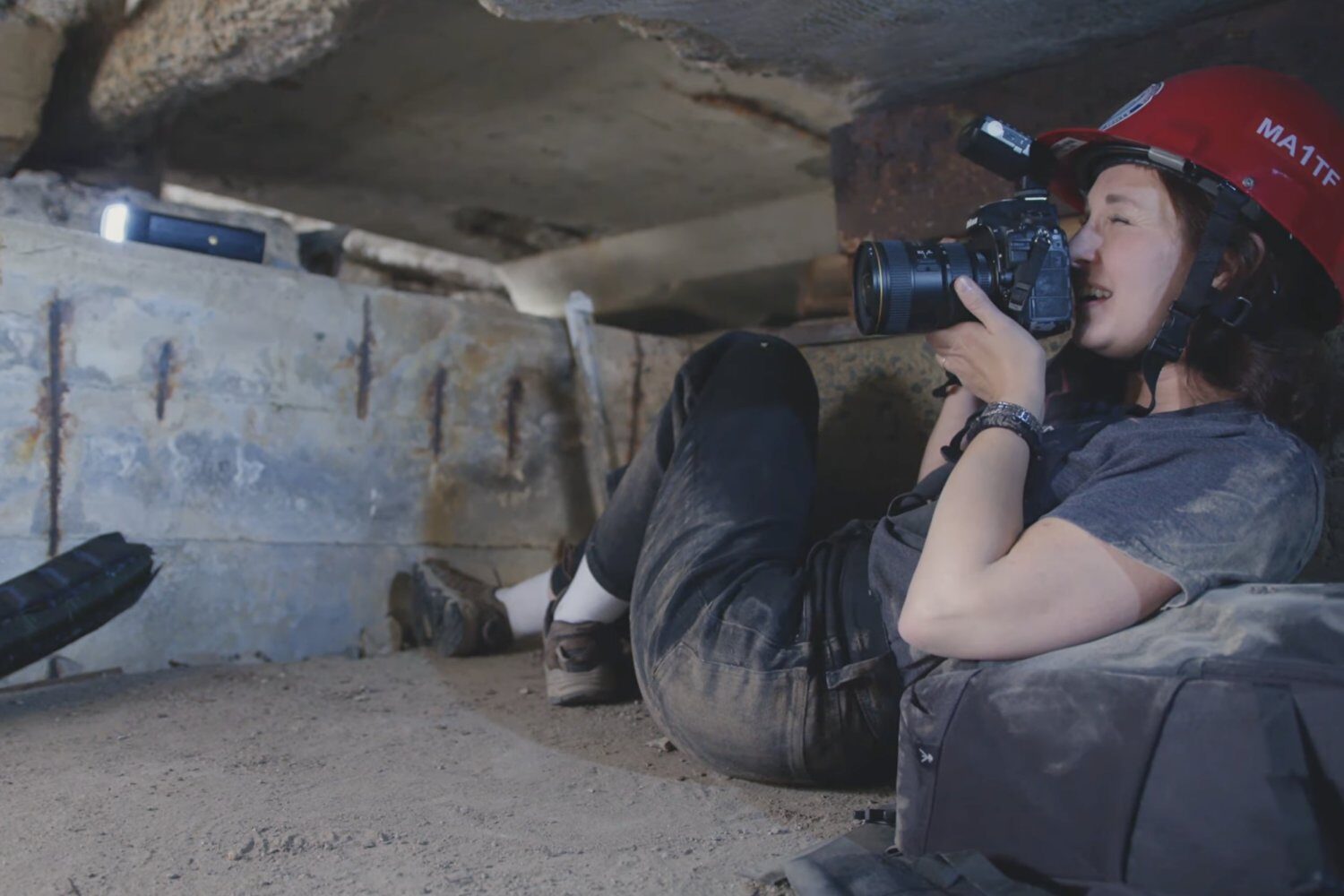
Through hundreds of photo shoots each year, the MIT Lincoln Laboratory photographer captures technical innovations ' from functional fibers to advanced radar systems '' and the people who develop them for national security. Her work brings her to every corner of the laboratory's main campus in Lexington, Massachusetts, and to field sites across the country....
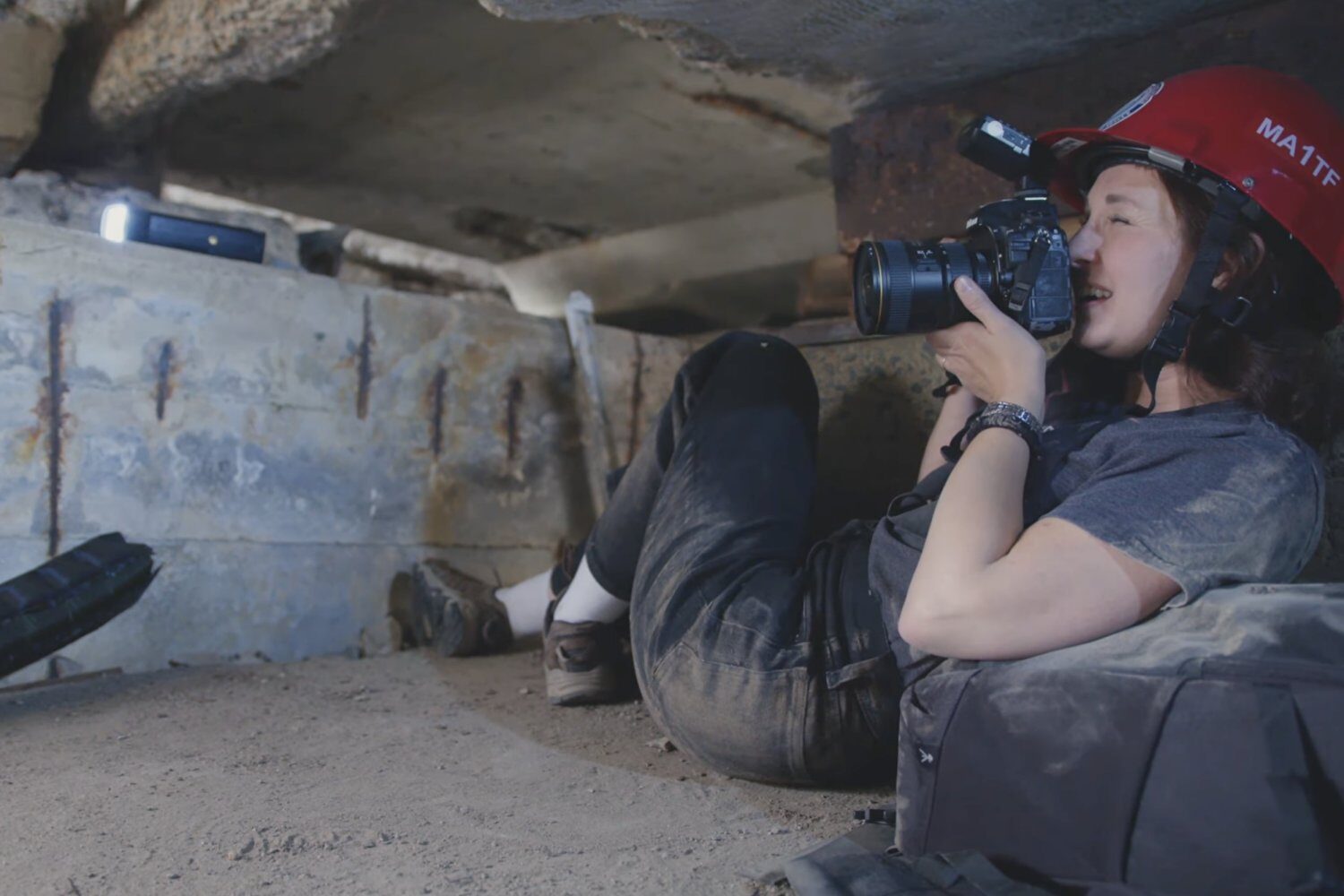
Through hundreds of photo shoots each year, the MT Lincoln Laboratory photographer captures technical innovations ' from functional fibers to advanced radar systems '' and the people who develop them for national security. Her work brings her to every corner of the laboratory's main campus in Lexington, Massachusetts, and to field sites across the country....