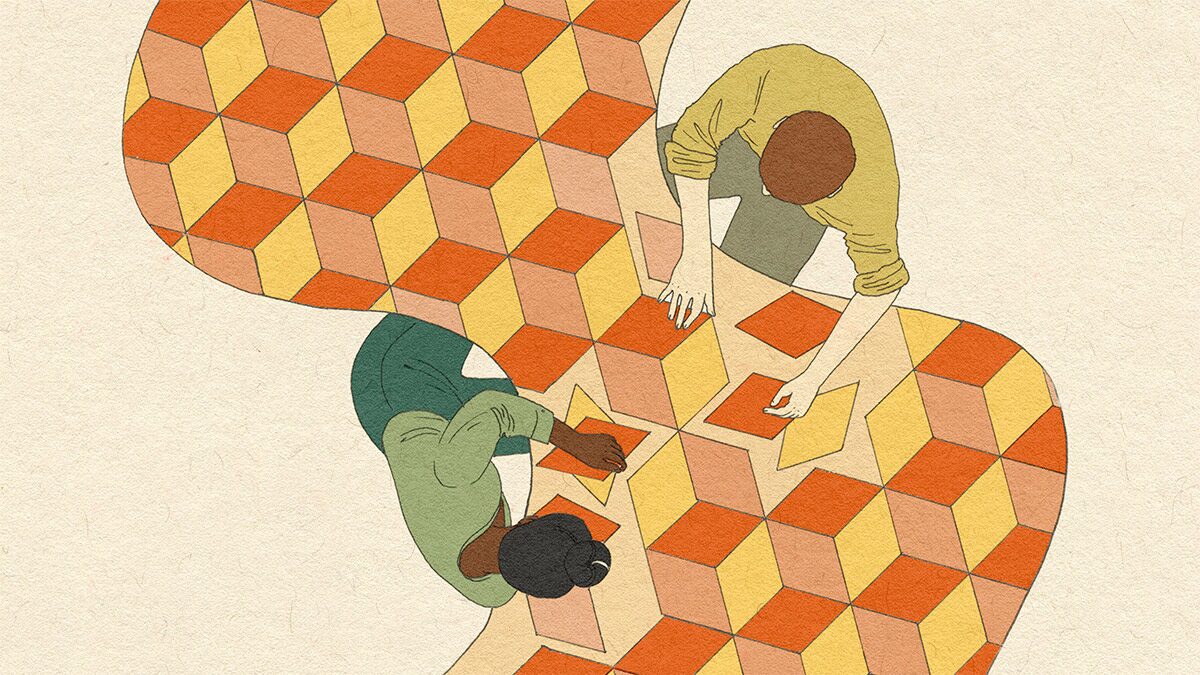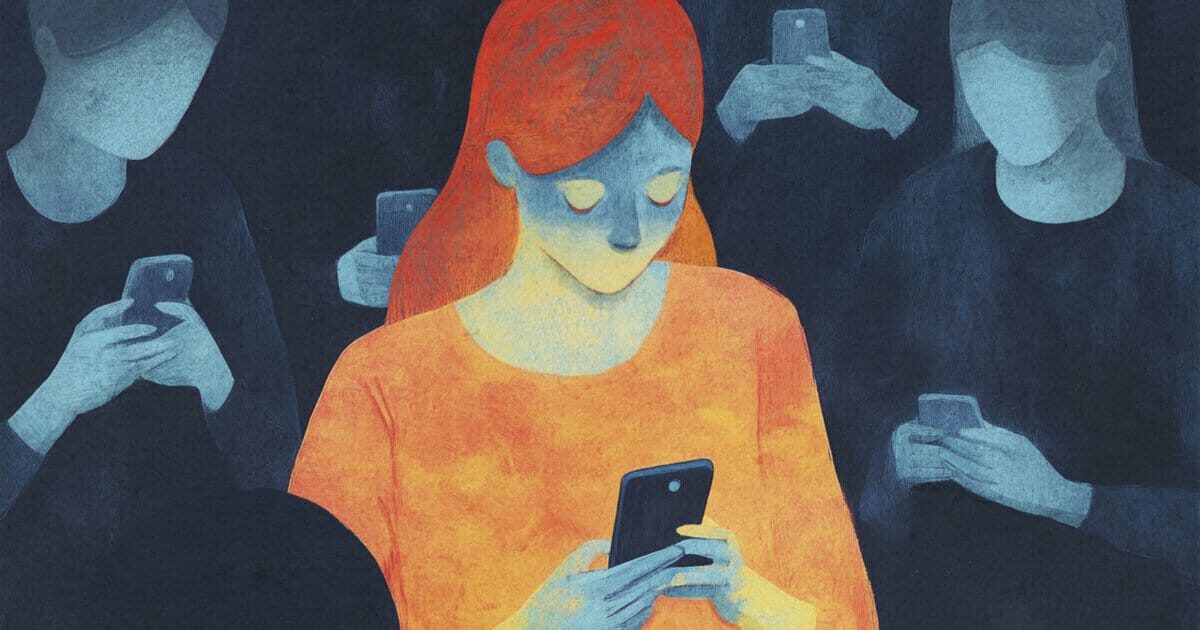
User-centered design methods focus on giving users what they seem to want. But approaches like design thinking can lead practitioners to ignore potential harms or fail to adequately consider ethical design principles. Companies can be innovative while minimizing such risks by putting mission and values at the forefront of the design process, being mindful of how KPIs or other incentives may influence design choices, and pausing to consider a product's potential broad impact before scaling. For years, social media companies have come under fire for promoting divisive, false, and dangerous content in order to monetize user engagement. But in March, when a jury in Los Angeles Superior Court found Meta and Google liable for causing harm to users due to the addictive nature of their products, the verdict put the focus not on content but on the companies' deliberate design choices. What stands out to us in considering the implications of the court decision is that even absent a willfully exploitative business ethos, other companies may unwittingly create the potential for harm simply by applying user-centered design methods such as design thinking. These methods prioritize giving users what it seems that they want. They involve engaging with target users to understand their wants and needs and having them test and offer feedback on prototype products. Our research found that such methodologies, used in good faith, can nonetheless lead practitioners to ignore potential harms or give inadequate attention to ethical considerations....
This clear, organized process can help teams break free of a variety of human tendencies that get in the way of innovation....
It's safe to assume that accelerated change is here to stay. At the core of today's frequent disruptions is ambiguity: situations where the available information is incomplete, contradictory, or constantly shifting, and clear answers are impossible. Navigating ambiguity requires a new skillset'one that leans into our humanity rather than bypasses it. Unlike machines, we bring a biological response to change. And that response, if understood and harnessed, can become a powerful advantage....

On the first day of a required class for freshman design majors at Carnegie Mellon, my professor stood in front of a lecture hall of earnest, nervous undergraduates and asked, 'Who here thinks that design can change the world'' Several hands shot up, including mine. After a few seconds of silence, he advanced to the next slide of his presentation: a poster by the designer Frank Chimero that read, Design won't save the world. Go volunteer at a soup kitchen, you pretentious fuck. My professor wasn't the first person to deliver such discouraging news. In 1971, the design educator Victor Papanek began his best-selling book, Design for the Real World, with a similar message. 'There are professions more harmful than industrial design,' he wrote, but 'very few.' By designing and popularizing products that 'pollute the air we breathe''including cars, which are responsible for 'murder on a mass-production basis''he argued, 'designers have become a dangerous breed.' But design was capable of inflicting such harm, he wrote, only because it had so much potential, and therefore also the capacity for immense good. For Papanek, it was 'the most powerful tool with which man shapes his tools and environment (and, by extension, society and himself).'...