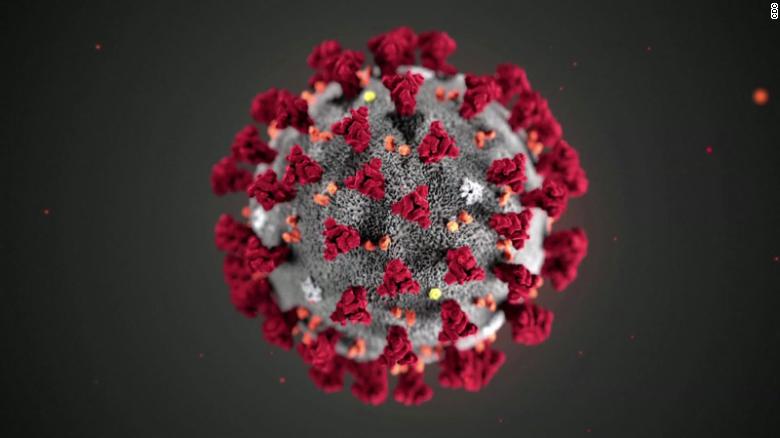
Venture funding to proptech startups is nowhere near its peak and still hasn't returned to pre-pandemic levels, as higher interest rates make real estate a tougher place to invest, leading to fewer deals and raising the bar for startups seeking capital. But startup investors haven't abandoned the sector, either, Crunchbase data shows. Instead, they're being more selective about their bets and putting more money into companies using AI and other technology to make construction, property operations and real estate transactions faster and less expensive. The broad trend: Even before the pandemic-fueled funding peaks, proptech startups received more than double the venture funding in 2019 than in more recent years. While investors haven't given up on proptech, funding to startups in the space remains down as interest rates hover in the 6% to 7% range. In case you forgot, during the COVID-19 pandemic, home buyers and owners had access to 15-year mortgage interest rates as low as 2.5%. Those historically low interest rates fueled investor interest in the space, especially in the U.S....

The researchers found that common genetic variants account for a small percentage of variation in the 'Big Five' personality traits ' extroversion, agreeableness, conscientiousness, neuroticism and openness to experience ' within a population. Although the genetic links to personality are small, the study found that they are more robust to confounding factors such as family background than are gene associations with education level, income and some other socio-behavioural traits. Using these genetic correlations, the researchers connected personality traits to a slew of health and lifestyle factors, including whether a person is likely to take up smoking (linked to how conscientious they are), COVID-19 infection risk (linked to extroversion) and even participation in research studies (linked to a person's agreeableness and openness to experience). 'Personality is super central to all kinds of human outcomes,' says Michel Nivard, a genetic epidemiologist at the University of Bristol, UK, who co-led the study, which was published on 2 September in Nature1. It is not yet clear whether personality underlies such differences, however. 'We just want to show that the genome can be used to start to study those,' he adds....
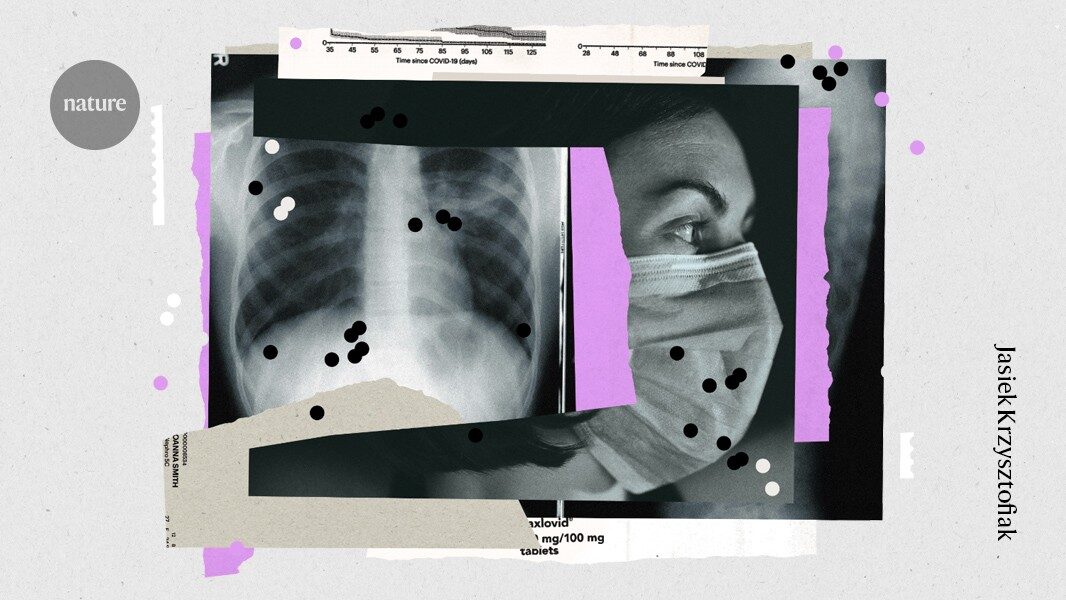
In 2004, Amy Proal got an infection that changed her life. 'I was in my pre-med, last year of college, and totally tanked,' she says. 'No one could tell me what it was, everybody said my blood work was fine ' sent to a psychiatrist, the usual story.' She started reading papers from her sickbed and soon realized that she wasn't the only one with unexplained symptoms that lingered after an infection. A year later, she was diagnosed with ME/CFS (myalgic encephalomyelitis/chronic fatigue syndrome). She managed to improve her symptoms with antivirals and other drugs, and went on to do a PhD in microbiology, studying the lasting consequences of pathogens. In 2018, she co-founded PolyBio, a foundation in Medford, Massachusetts, that advances research on infection-associated chronic illnesses. 'Then,' Proal says, 'COVID hit.' COVID-19 killed millions of people, and left millions of others with lingering health problems caused by the SARS-CoV-2 virus. The chronic condition became known as long COVID. A 2024 study estimated that 400 million people around the world have long COVID1, with an annual economic burden of around US$1 trillion....
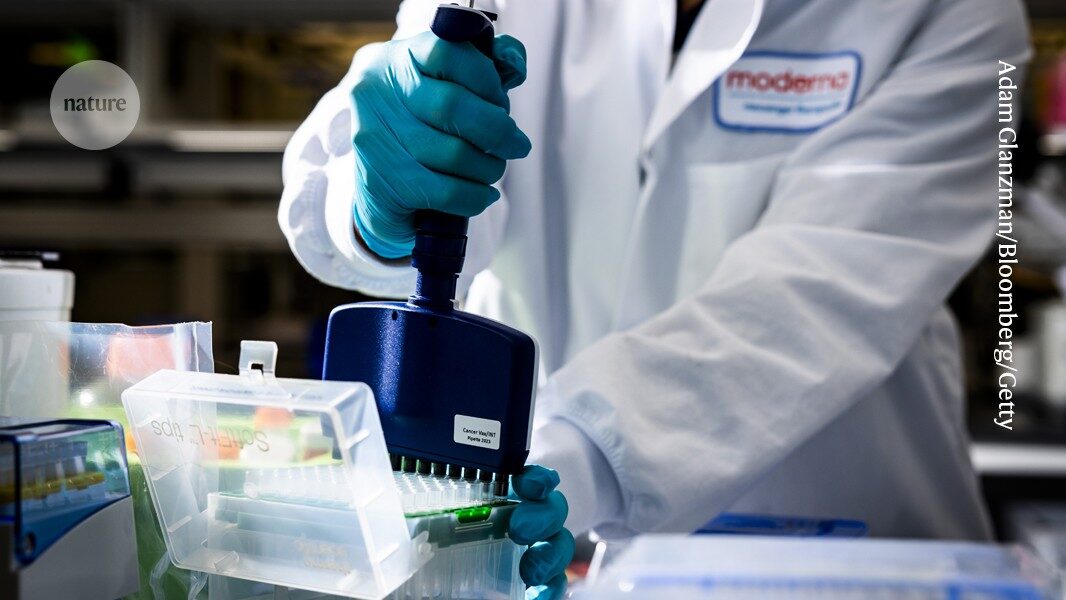
A personalized mRNA vaccine for melanoma reduced the risk of the cancer returning in a phase III clinical trial, the companies behind the trial announced this week. The vaccine ' which relies on the same mRNA technology used to develop COVID-19 shots ' is the first mRNA-based cancer treatment to show success in a late-stage trial. 'It's incredibly exciting,' says Seth Cheetham, an mRNA scientist at the University of Queensland in Brisbane, Australia. 'This is the first really large-scale trial' to release data for a personalized mRNA cancer vaccine. The results put it a step closer to regulatory approval for wider use and could bolster the whole field, he adds. Marco Gerlinger, a medical oncologist at St Bartholomew's Hospital in London, says the study provides proof of principle that personalized cancer vaccines work. 'This is important as they can be designed against many different cancer types,' adds Gerlinger, who is a principal investigator on a trial for a cancer vaccine being developed by BioNTech in Mainz, Germany....