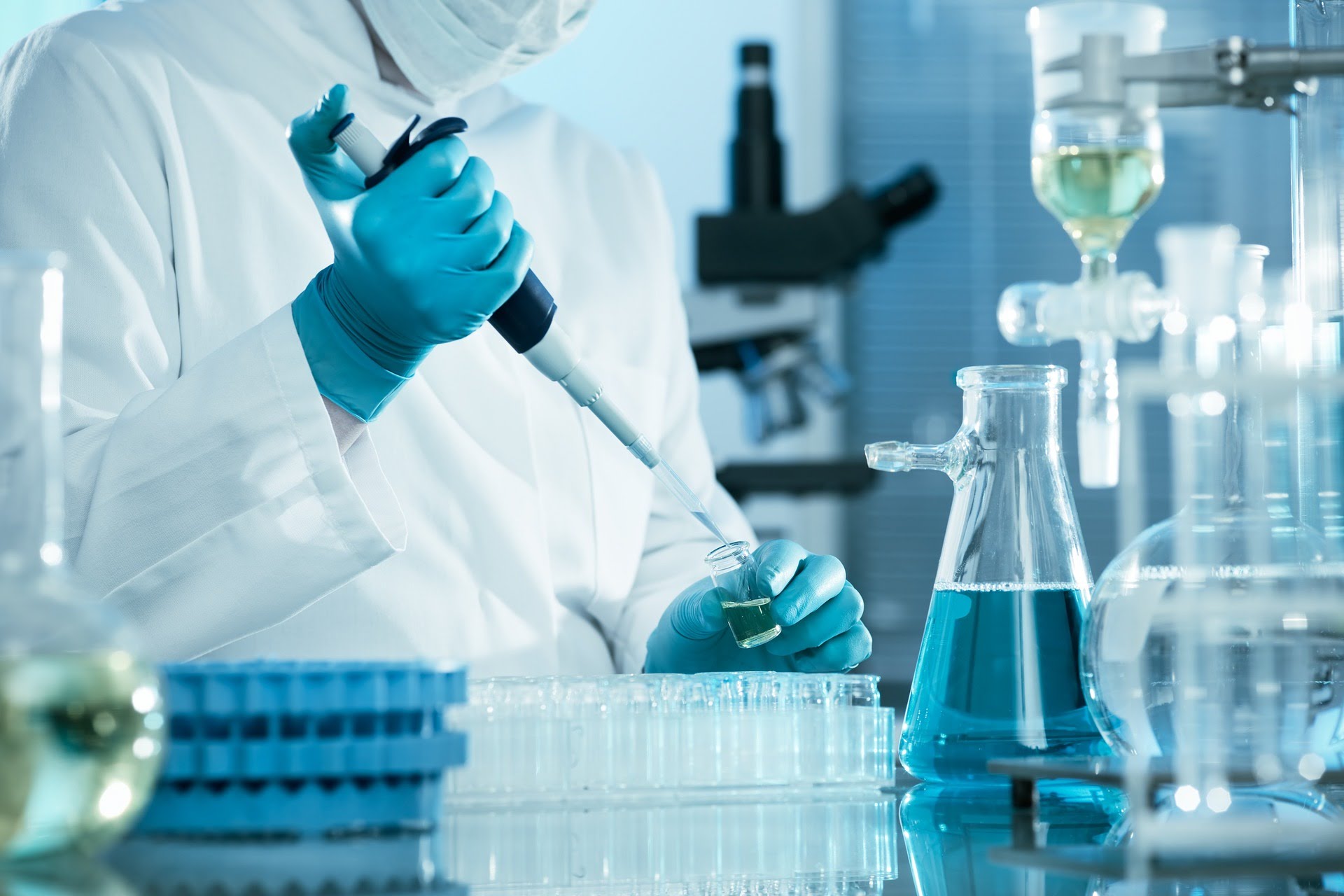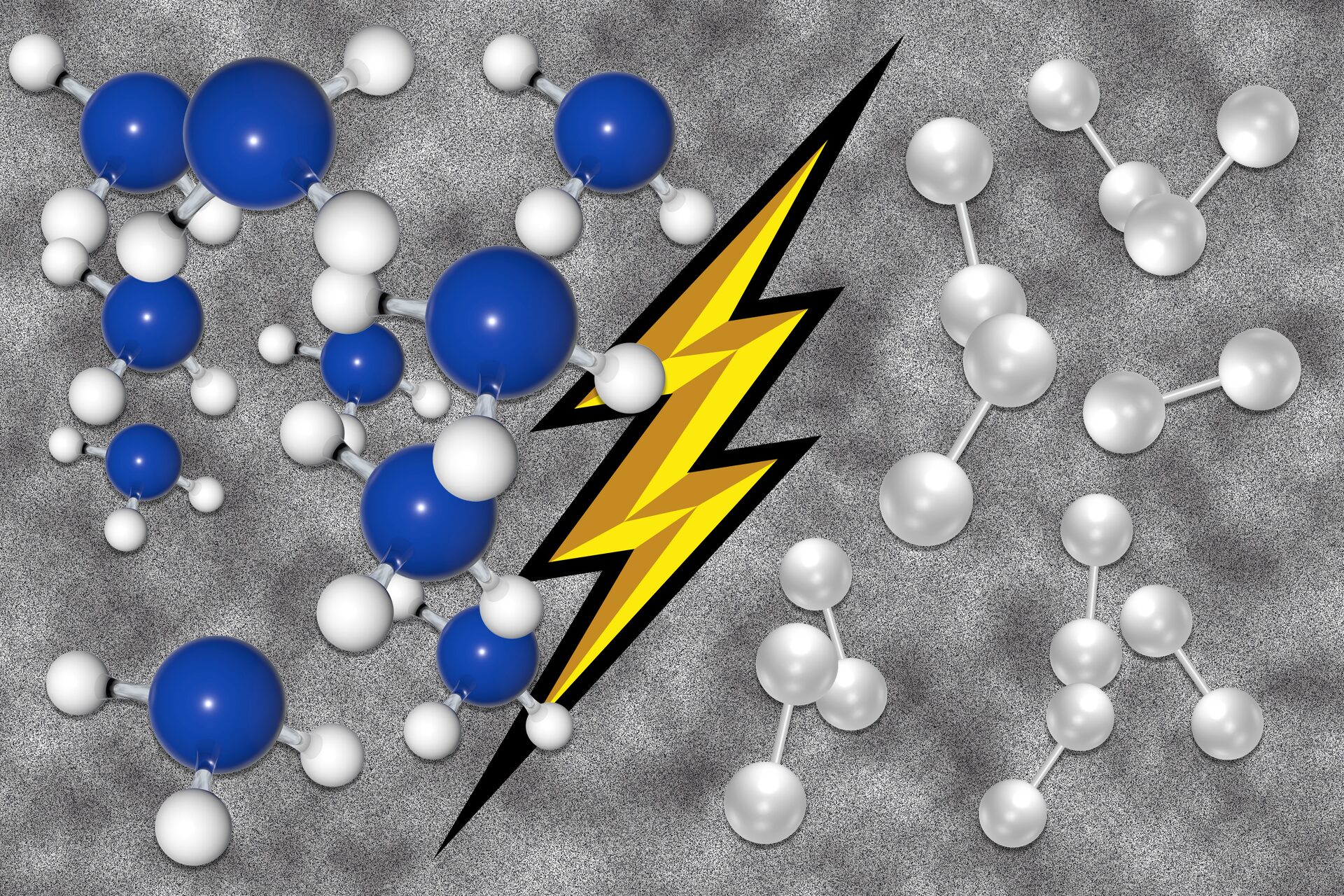
As a liquid that is easily stored and transported, ammonia (NH3) is an attractive carrier for hydrogen, which is used in fuel cells, semiconductor manufacturing, chemical processing, and other applications. However, breaking ammonia into hydrogen and nitrogen typically requires high temperatures, and the resulting gas mixture must undergo additional purification before the hydrogen can be used in many applications. MIT researchers have now developed an electrochemical approach to promote hydrogen release from ammonia while simultaneously separating and concentrating the hydrogen into a high-purity stream. Their strategy, which uses electricity to speed up the extraction, reduces the temperature and energy required to recover hydrogen from ammonia and other hydrogen carriers. 'We have shown the ability to use electrochemistry to drive thermodynamically uphill and kinetically difficult dehydrogenation reactions,' says Yogesh Surendranath, the Donner Professor of Science and a professor of chemistry and chemical engineering. 'In this case, we studied the conversion of ammonia and a liquid organic molecule because of their importance as possible hydrogen carriers for a hydrogen economy. But the concepts we learned here could in principle be translated further, and we're actively working on translating it to other important dehydrogenation reactions.'...
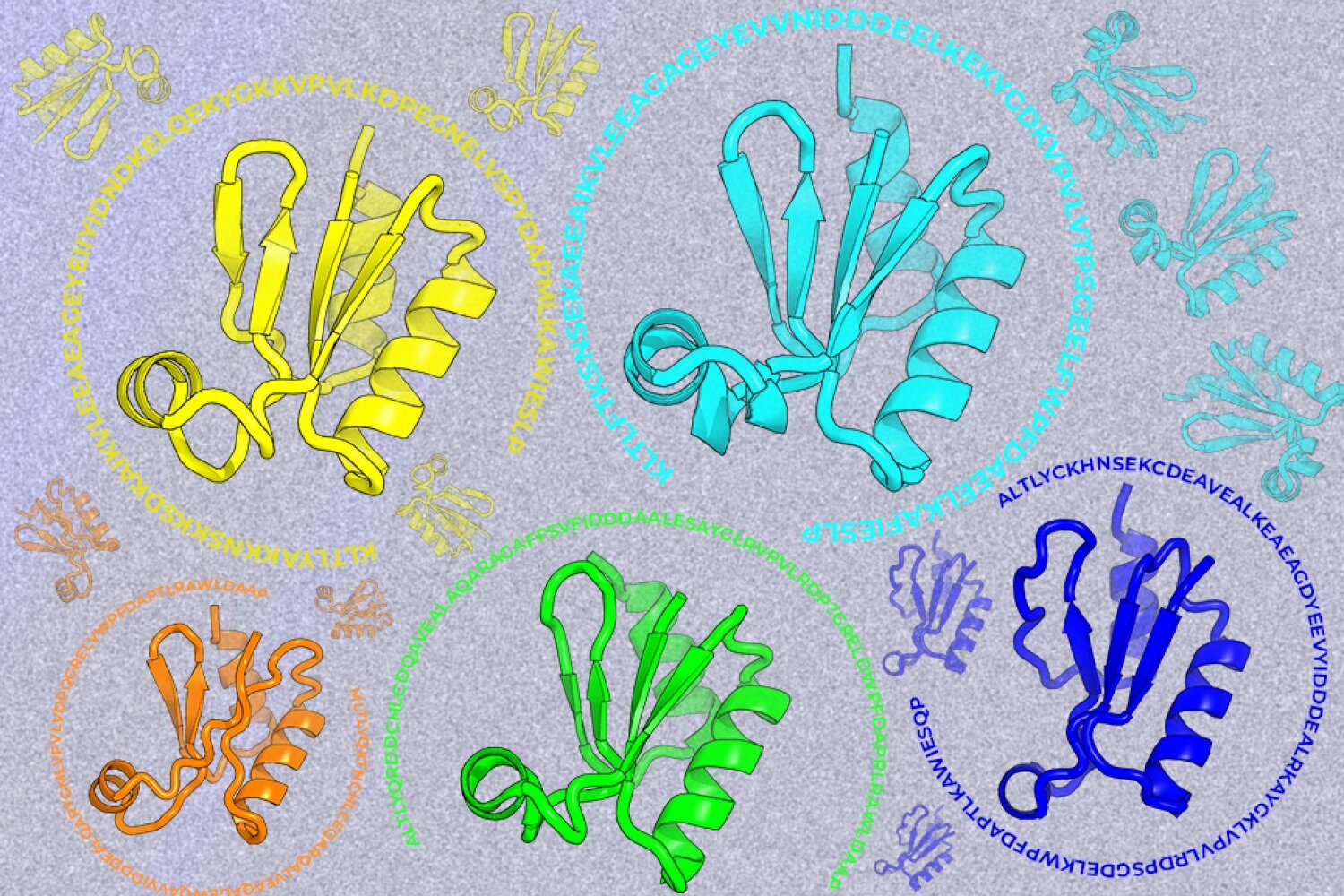
Many methods for designing novel proteins, including examples that could bind to a disease-causing molecule in our cells, involve a two-step process: The structure comes first, and then a machine-learning framework generates a repertoire of sequences that could potentially adopt that structure. In nature, many different amino acid sequences can fold into the same structure. At the same time, one amino acid sequence can potentially adopt different structures depending on the protein's flexibility or a functional trigger. Therefore, when researchers use artificial intelligence to design new proteins, the challenge is to guide AI to 'see' that there are many potentially useful answers ' that many sequences can adopt the same fold 'For years, the field has measured success by asking whether a model can reproduce the protein sequence that evolution happened to select ' our work shows that this isn't the best metric for protein design,' says Amy E. Keating, Department of Biology head, Jay A. Stein (1968) Professor of Biology, professor of biological engineering, and senior author of a paper recently published in PNAS....

Manipulable molecular biology sets developed over some 25 years by Kathy Vandiver, Edgerton's life science project leader as well as director of community outreach education and engagement in the MIT Department of Biological Engineering, have scaled all the way from a gallery-classroom at the MIT Museum to every biology classroom in Worcester Public Schools in Massachusetts. Worcester is the second-largest district in the commonwealth, and its connection to the MIT Edgerton Center traces back to one high school teacher's transformative learning experience. David Mangus first encountered the hands-on molecular biology sets at a Massachusetts Association of Science Teachers (MAST) conference, where he participated in an MIT workshop and explored the materials firsthand. Later, when he became science curriculum specialist for Worcester Public Schools, he recognized their potential to advance high-quality science education across the district, and he was in a position to implement the curriculum at scale....
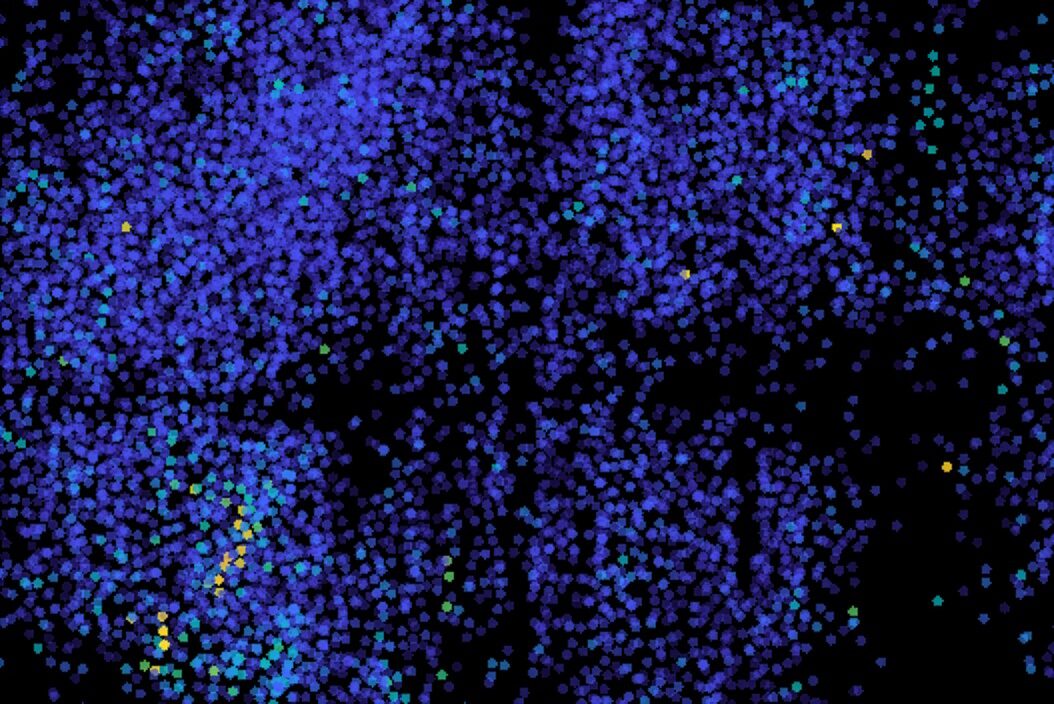
Within the brain, neurons compute by generating electrical impulses. These signals travel throughout neurons, which are in turn connected in vast networks that control brain functions such as sensory perception, memory formation, and control of movement. In an advance that could help neuroscientists map those neural networks, leading to a better understanding of how neural activity underlies behavior and other brain functions, MIT engineers have invented a new microscope that can image electrical activity in neurons distributed across the brain of an entire organism, the experimental model Danio rerio (zebrafish). Using a microscope that they adapted for fast, high-volumetric rate imaging, the researchers were able to track electrical activity across the brain on the scale of milliseconds. This method revealed patterns of neural activity from neurons throughout the brain that were activated in response to ultraviolet light. 'All of the parts of the brain are connected together, so if you want to truly understand the brain, you have to understand how all the neurons work together as an emergent whole,' says Ed Boyden, the Y. Eva Tan Professor in Neurotechnology at MIT; a professor of biological engineering, media arts and sciences, and brain and cognitive sciences; and a member of MIT's McGovern Institute for Brain Research, Yang Tan Collective, and the Koch Institute for Integrative Cancer Research....