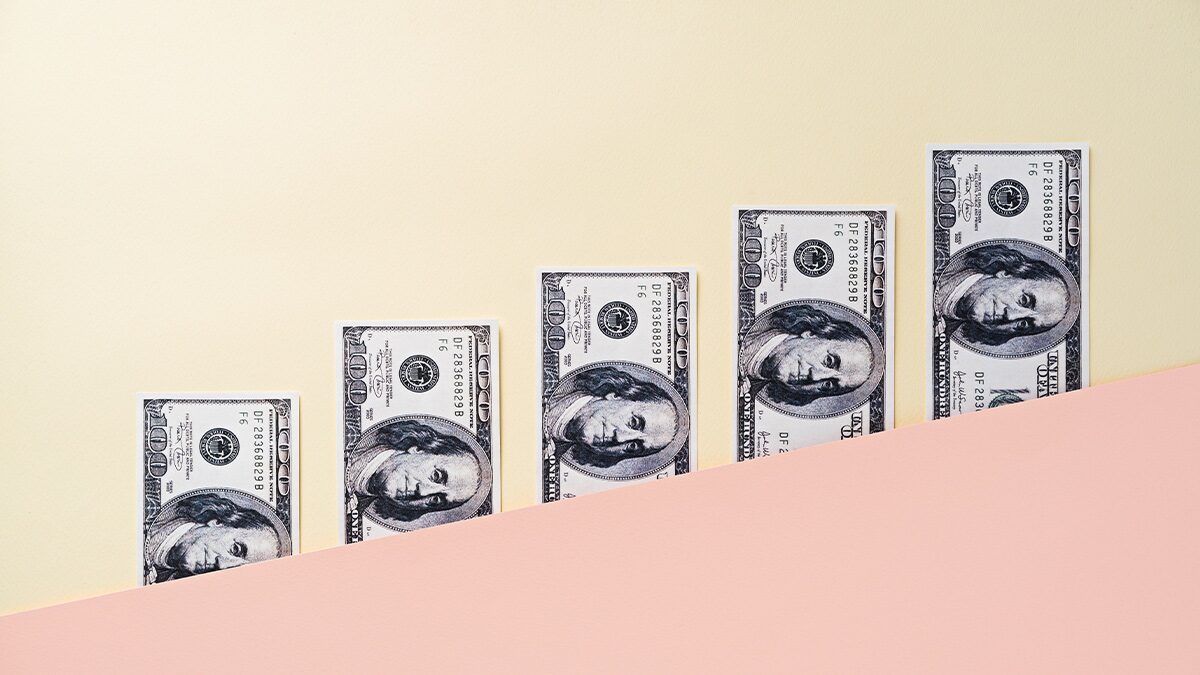
When costs rise, companies often raise prices to preserve margins'but that approach can drive away customers and reduce total profits. Pricing expert Rafi Mohammed outlines ten alternatives, including targeted discounts, product bundles, lower-cost and premium offerings, and contracts that give customers greater certainty about future prices. By considering customer demand, product mix, and how prices are presented, managers can protect profitability during inflation while building a more effective pricing strategy for the long term....
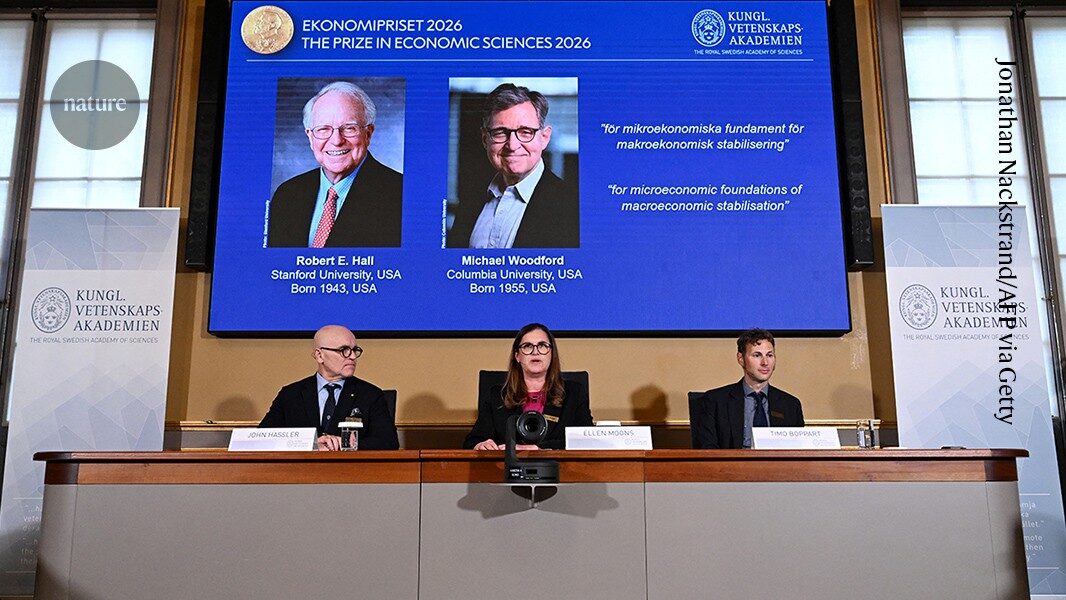
The 2026 Sveriges Riksbank Prize in Economic Sciences in Memory of Alfred Nobel has been awarded to economists Robert E. Hall and Michael Woodford for their research on how to stabilize an economy to avoid socially and economically damaging fluctuations in inflation, growth and employment. 'This is an excellent prize, honouring two superb and highly influential economists,' says economist John Cochrane of the Hoover Institution, a thinktank based at Stanford University. Olivier Blanchard, formerly chief economist at the International Monetary Fund, says the laureates have 'dramatically changed the conduct of monetary policy'. According to Cochrane, there were 'a dozen plausible contenders at least' to share a prize in this field. 'I would hate to be the Nobel Prize committee deciding which two or three to recognize', he says, but 'Hall and Woodford were top contenders on anyone's list'. Speaking by phone during the prize announcement, Woodford said he was 'elated' by the award. He added that his theory was intended not just to guide policy but also to help governments explain to the public why they make economic interventions in the way they do, 'to talk to people about why the things that are being done are being done'....
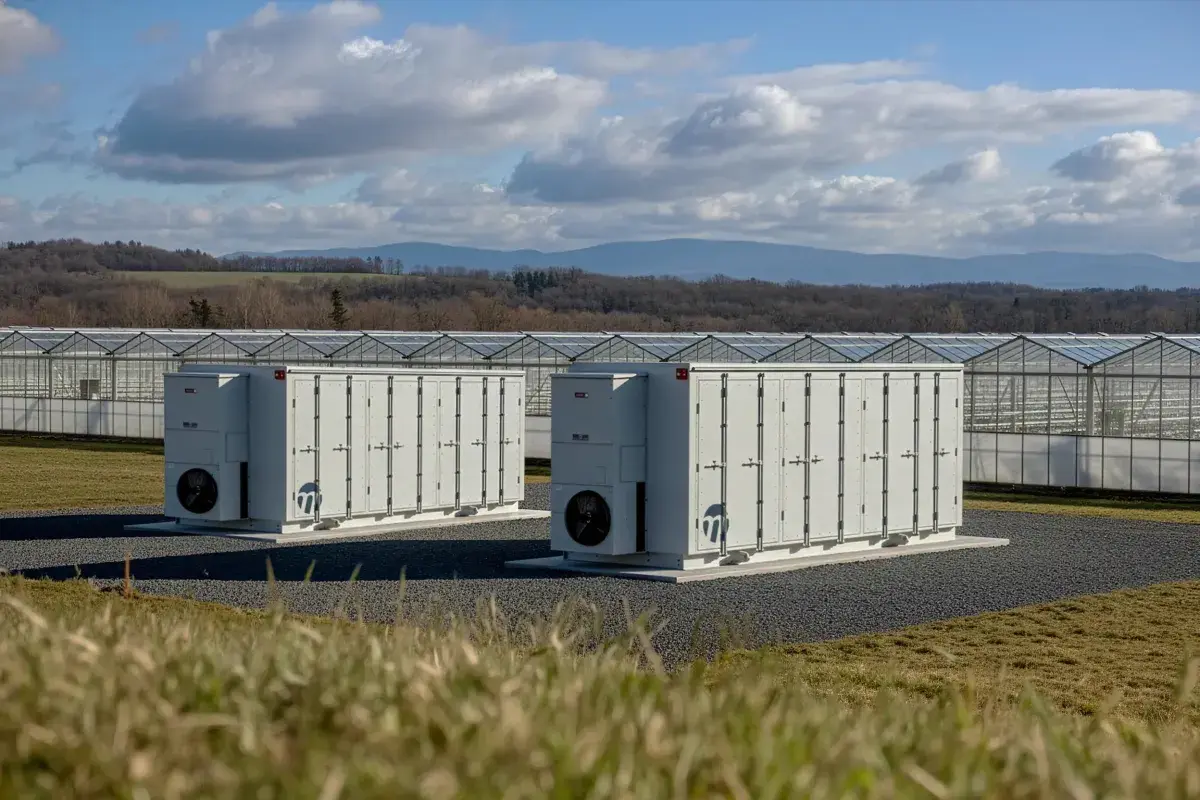
On every continent and in each of the 43 markets that Wood Mackenzie surveyed, four-hour duration batteries were less expensive than open-cycle gas turbines. The consultancy predicts that the cost of electricity from batteries will continue to decline while electrons from gas turbines will only grow more expensive in the coming decades. The report lands as energy prices in the U.S. and elsewhere continue to rise, fueling inflation as data centers push electricity demand to new heights. Prices for gas turbines have been driven up by AI data center developers, which have been buying any model they can get their hands on. The effects have been more acute for open-cycle gas turbines, which are more readily available but less efficient and more expensive to operate. Those turbines are often used by utilities as peaking power plants, which step in to generate electricity in periods of high demand. As prices for those turbines rise, it can raise costs for utilities, too. Open-cycle turbines are simpler to make than closed-cycle turbines, but even they now take two to four years to procure. Waitlists for closed-cycle turbines now extend into the early 2030s. Both backlogs have been spiking prices for all new natural gas power plants....

Speaking in Singapore ahead of next week's annual meetings in Bangkok, Kristalina Georgieva told governments they face 'very tough political choices' and urged them to rein in spending. Ten-year borrowing costs in the United States, Germany and Japan are at their highest in decades, she said, and still climbing. Global debt is about to pass 100 percent of GDP. The short end. I wrote about the ten-year yield. She pointed at the other end of the curve: higher policy rates lift short-term yields, and those feed directly into the cost of short-dated debt. A treasury that funds itself short meets the new rates within months, not years. Maturity profile belongs next to the debt ratio in any sovereign analysis. The temporary force is not fading. Of the four pressures on yields, I called inflation the one that could reverse. The IMF describes the energy shock from the Iran war as largely contained, but oil is still around 100 dollars a barrel and could rise as the northern winter approaches and rich countries refill their reserves. Temporary is not the same as short....