
OpenAI on Tuesday acquired a four-year-old AI biotech software startup called Orchestra Bio, the company announced via its website. Terms of the deal were not disclosed, but the startup had reportedly raised around $20 million as of 2025 from backers like Andreessen Horowitz, Atria, and 8VC. OpenAI says it's adding Orchestra's team and technology to work on Rosalind, its AI model for life sciences research, and to its related Rosalind Workbench tool, a harness that aims to help researchers plan experiments and analyze results. OpenAI has already won some big names as customers for Rosalind, including, it says, Moderna' and Novo Nordisk'. The acquisition is a classic example of how the biggest AI labs (namely OpenAI and Anthropic) are building ever more software for the biggest industries, like pharma. In the startup world, there is an ongoing fear that at any moment, the labs will launch new features and become competitors. In this case, Orchestra is getting absorbed, rather than stomped out....
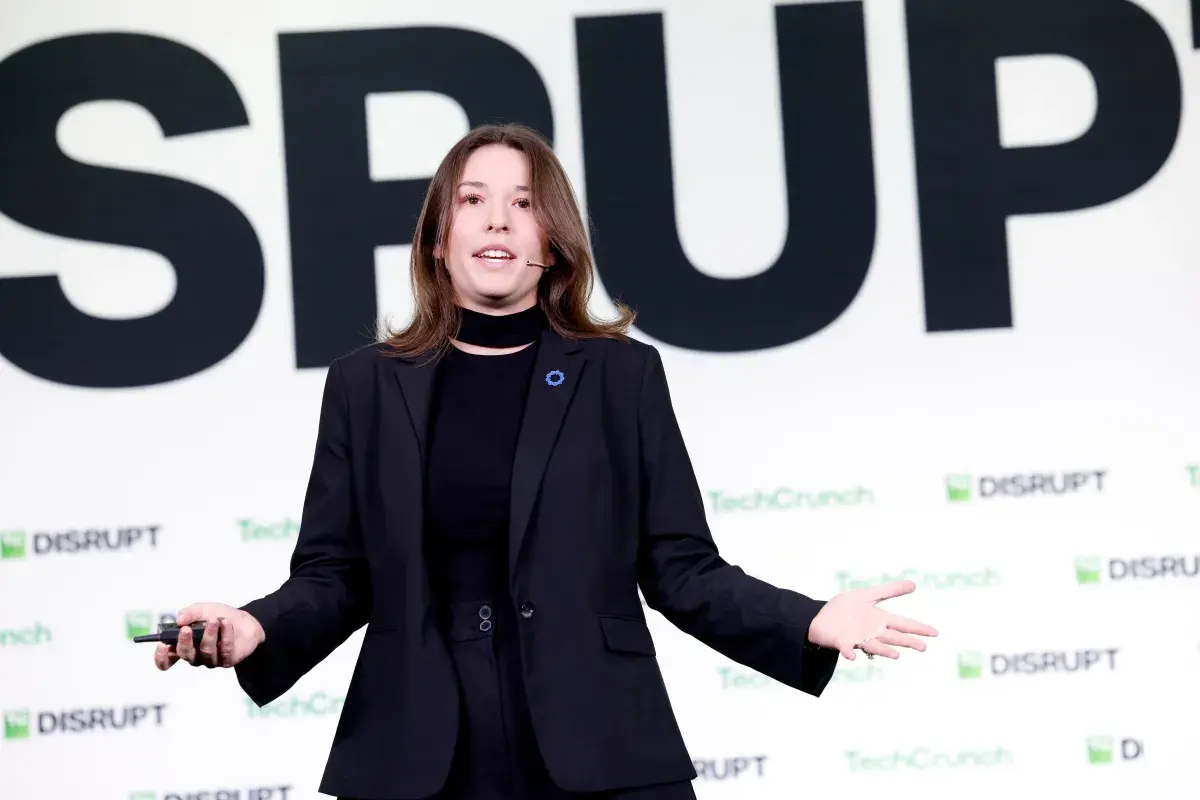
Over the past two days, 20 startups have been pitching onstage at TechCrunch Disrupt 2026, presenting live demos and answering tough questions from our expert judges. Now it's time to unveil the five companies that will be competing in the Startup Battlefield finals. This year's Battlefield spanned four categories ' space and physical AI, energy and manufacturing, health tech and life sciences, and enterprise and security ' and our finalists are working on everything from miniature human organs to fighting scams to computing in space. The finals will kick off tomorrow (Thursday) at 11:30 a.m. Pacific ' you can watch them onstage at Disrupt or on the livestream here. The founders will be presenting for another panel of expert judges who will pick the winner; that winner gets to take home the Startup Battlefield Cup and $100,000, equity-free. Apate deploys thousands of AI agents that masquerade as innocent victims. The agents can answer scam calls, respond to shady messages and emails, follow phishing links, and join social media groups to bait fraudsters. They pretend to be people of all stripes, with different ages, genders, and accents, speaking various languages as they try to keep scammers engaged long enough to learn something useful....
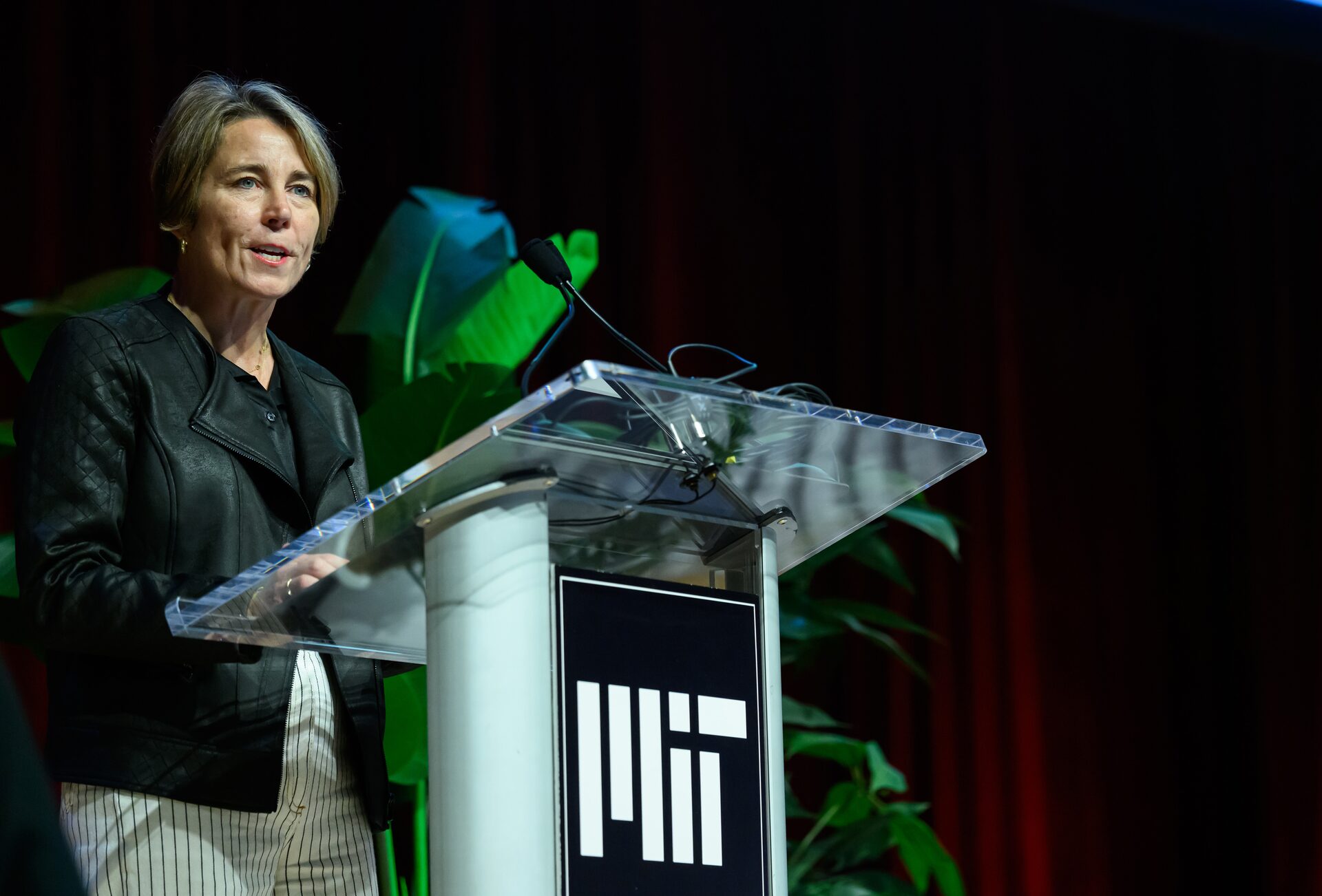
Both Healey and MIT President Sally Kornbluth emphasized the power of curiosity and innovation during introductory remarks, while formally kicking off MIT Future Fest as a new kind of event that opens MIT's doors to the world. Spanning five days and featuring talks from leading MIT scholars, panel discussions, open labs, exhibitions, performances, screenings, and much more, MIT Future Fest adds up to a demonstration of campus research, teaching, thinking, and discovery. 'MIT and Massachusetts are known around the world as leaders in innovation,' Healey said. 'Future Fest is a chance to celebrate that. But it's also a chance to connect with each other. To learn from each other, and to imagine what comes next. In life sciences and biotech, robotics, advanced manufacturing, in energy and climate technology and quantum, and in the people who make it all happen.' In remarks preceding Healey's talk, Kornbluth observed that 'in a world as complex and interconnected as ours, we aim to invent the future. We need all the help we can get, and that's why it's so important to have all of you join us over the next five days in exploration, conversation, and curiosity.'...

On Tuesday, Anthropic released Fable and Mythos 5.1, twinned versions of the company's most advanced AI model. In addition to performance upgrades, the new Fable release includes changes meant to reduce token cost and false-positive restrictions from the model's safeguards. As with the previous Mythos model, Mythos 5.1 will only be available to registered Anthropic partners engaged in either cybersecurity or life sciences research. Fable 5.1, the unrestricted version, is available starting today on cloud platforms or through the Anthropic API. One of the most significant changes is Anthropic's previously reported embrace of zero data retention, allowing clients to run Anthropic models on their own infrastructure without data outflows. Previously unavailable for Fable due to security concerns, a high-privacy service (called Enterprise Frontier Safeguards) will now roll out to users in the fall. Notably, the system will still monitor for misuse by agents or human users, but clients will control how the monitoring takes place....