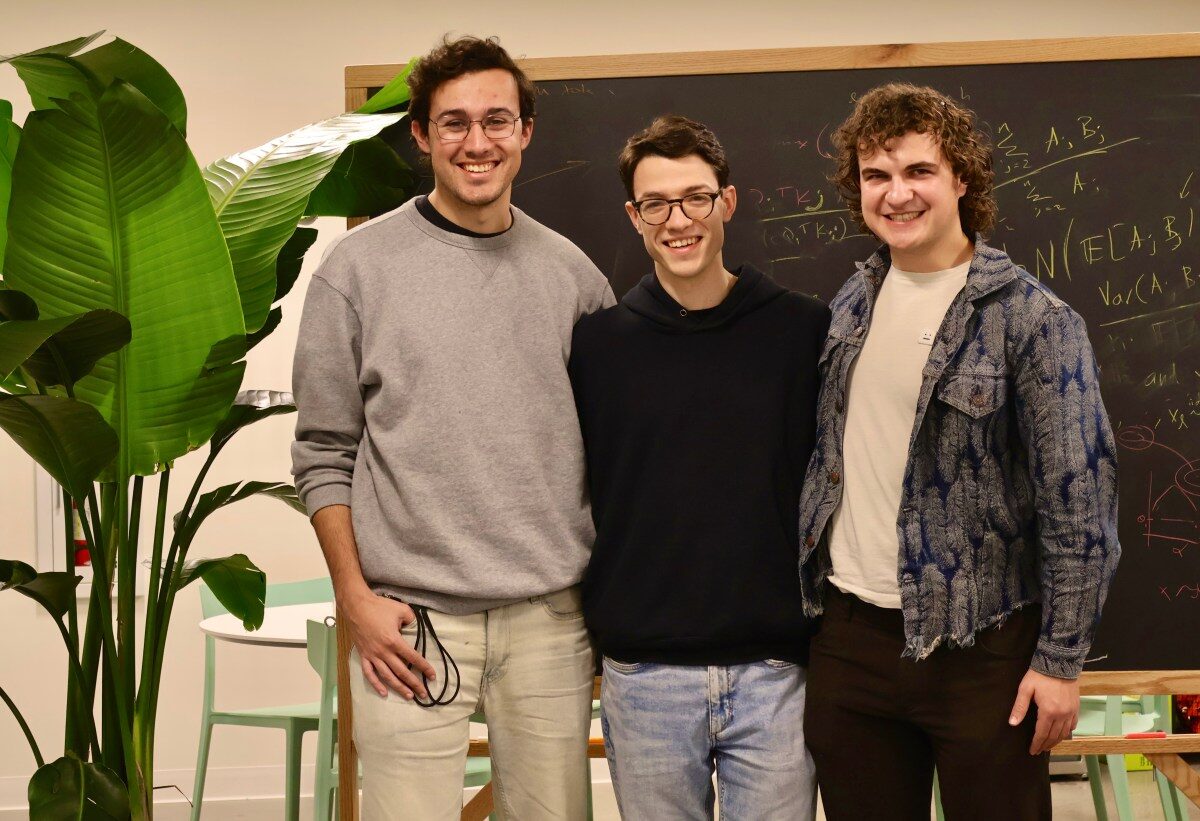
Year-old startup Flapping Airplanes has wowed Silicon Valley with an impressive founding team and a mission to find ways to train large models with less data. On Wednesday, the company announced it had raised a $1 billion Series A round, co-led by Index and Lux, reportedly at a $6 billion valuation. The round comes just nine months after the company launched with a $180 million seed round from GV, Sequoia, and Index. That seed round had valued the company at $1.5 billion, so its valuation just quadrupled. Flapping Airplanes was founded by Aidan Smith and brothers Asher and Ben Spector. Smith is a former founder and Thiel fellow who worked at the brain implant company Neuralink during college. Asher Spector was a statistics PhD at Stanford, while Ben Spector was a computer science PhD student at Stanford and founded Prod while at MIT. Prod is an almost secret-society, five-year-old student-run startup accelerator that has 'become one of the most powerful talent incubators in Silicon Valley,' wrote Sequoia partner David Cahn, a Flapping Planes investor, in a post earlier this year explaining why he invested. Together, the founders 'are building the 'young person's AGI lab,'' as Cahn described it....
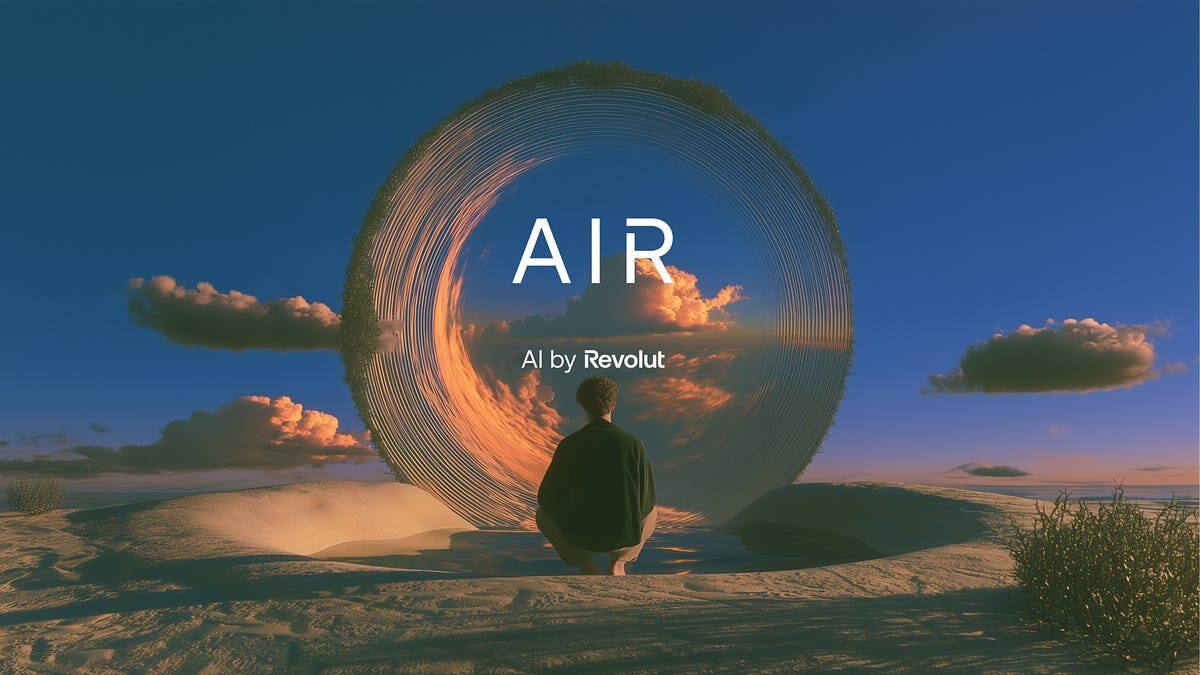
Good morning & happy Monday! Today, we're diving into Revolut's plan to turn AIR into an AI agent that shops for you, and what it tells us about who will control the money when AI agents start buying things (why Revolut is building its own version of Meta's Muse & Grok Bot, why owning the card, the payment approval & the banking licence beats renting them from Stripe Link, how Revolut is answering the payments question Meta's PAP left open, & what to watch for next + bonus deep dives into a16z's State of Markets 2026: The AI Playbook for Founders and Investors, and Why We Aren't Bullish Enough on Revolut inside), and breaking down FIS's new AI CFO for large companies to see what it tells us about who will own the AI CFO for enterprises (what the Agentic Insights Suite actually does, why it comes out of the struggling Capital Markets unit FIS is partly reviewing for sale, how it compares with AmEx & Perplexity's AI CFO for small businesses, and what to watch next + bonus deep dive into Anthropic's Claude for Small Business, and Sequoia's Private AI Briefing, or Why AGI Is Already Here inside). So let's just jump straight into the finnovative stuff ''...

' Hey, Linas here! Welcome back to a ' weekly free edition ' of my daily newsletter. Each day, I focus on 3 stories that are making a difference in the financial technology space. Coupled with things worth watching & the most important money movements, it's the only newsletter you need for all things when Finance meets Tech. a16z's State of Markets 2026: The AI Playbook for Founders and Investors ' [Everything that matters in a16z's 90-page deck: why this AI boom is earnings-backed, where the money flows next, and what founders and investors should do now] Sequoia's Private AI Briefing: AGI Is Already Here ' [What Sequoia partner Pat Grady told an endowment about AGI, $20 trillion markets and 31x valuation jumps, and what founders and investors should do about it] How to Use Claude Opus 5.5: The Complete Guide ' [The best prompts, effort settings, and Claude Code workflows for founders, builders, and investors, plus the mistakes that quietly erase its cost advantage] How to Use Jev AI: The Complete Guide to TypeSafe's System One Model ' [What Jev is and how it works, the best Jev use cases, and how to build AI agents, workflows, and decision systems on a model that is up to 200x faster and 400x cheaper than LLMs]...
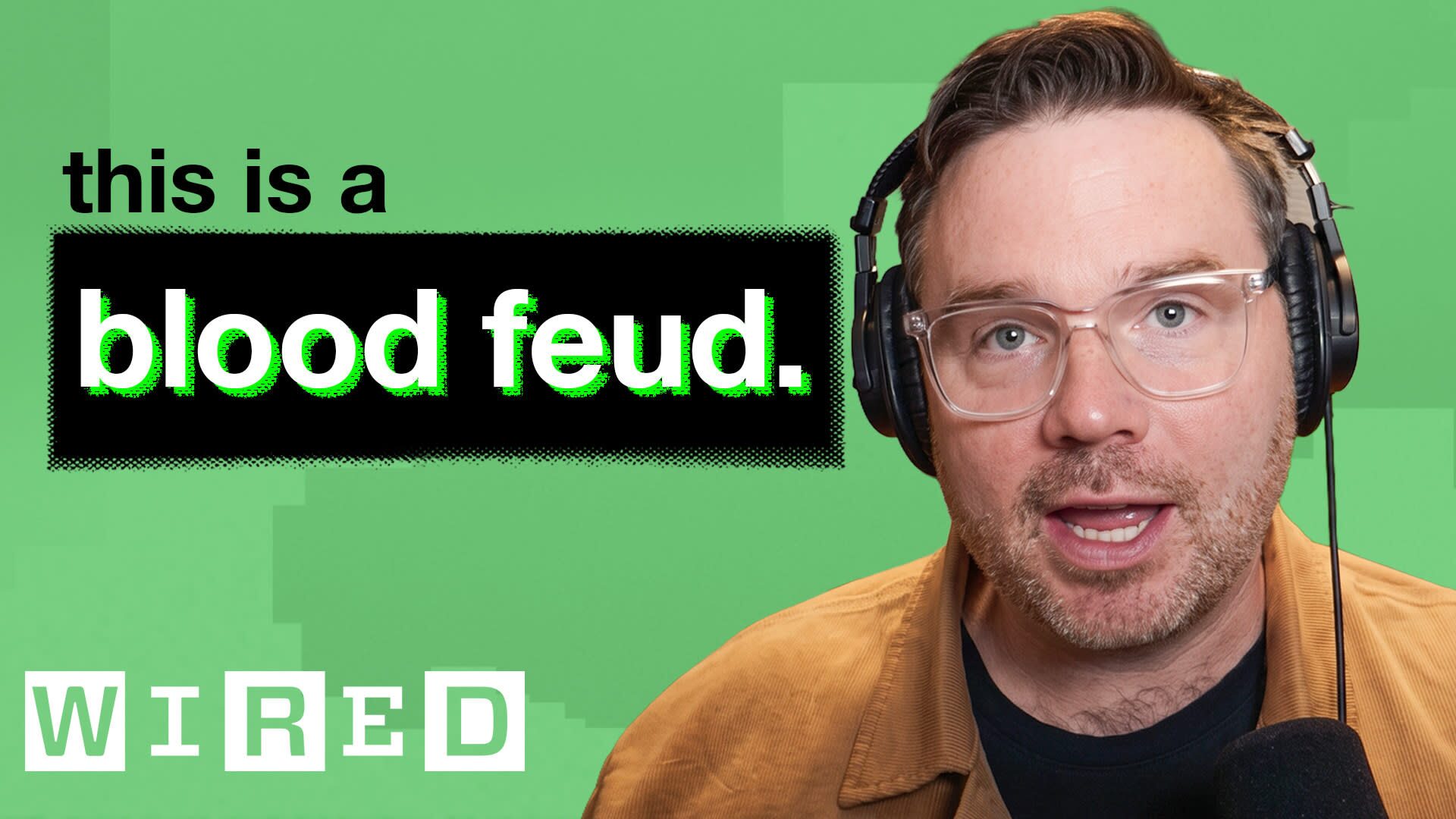
WIRED Global Editorial Director Katie Drummond speaks with tech journalist and author of The AGI Chronicles about the all things artificial intelligence. Katie and Kevin deep-dive into the AI hype train, the risk to humanity imposed by AI and the 'blood feud' nature of AI's leading companies going toe-to-toe in a race towards superintelligence. ' 2026 Conde Nast. All rights reserved. WIRED may earn a portion of sales from products that are purchased through our site as part of our Affiliate Partnerships with retailers. The material on this site may not be reproduced, distributed, transmitted, cached or otherwise used, except with the prior written permission of Conde Nast. Ad Choices...