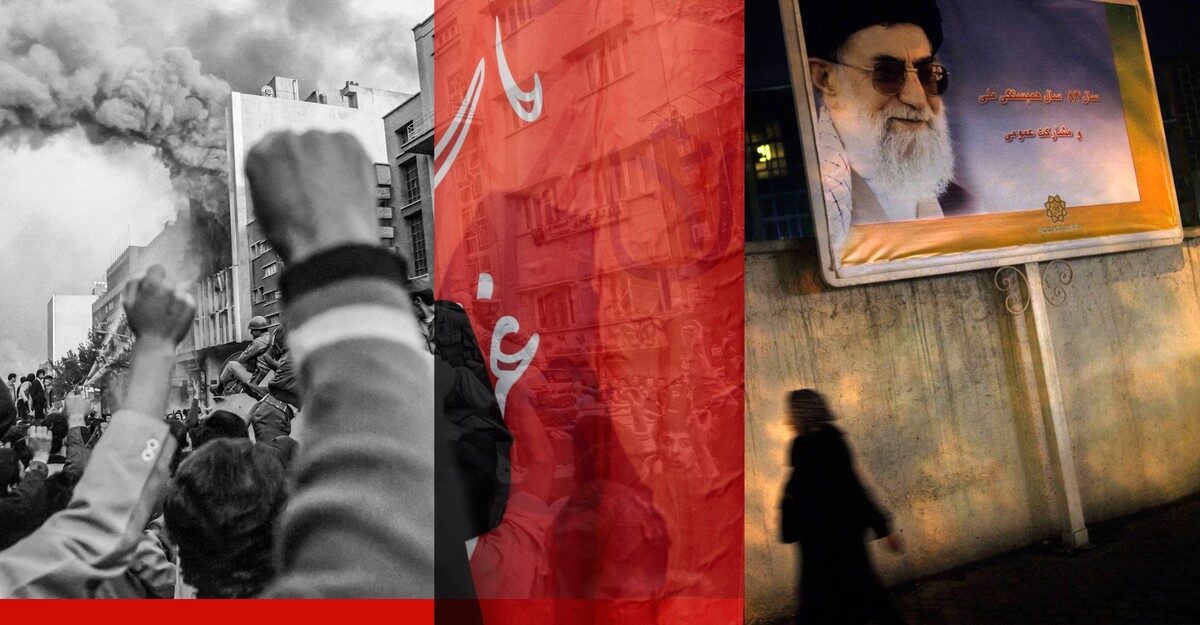
Iran's 86-year-old supreme leader, who believes that he represents God's will on Earth, ordered what now appears to be one of the deadliest two-day mass slaughters in modern history. According to estimates provided by two anonymous senior officials in the country's ministry of health, as many as 30,000 citizens may have been killed during this 48-hour rampage on January 8 and 9. If these estimates prove correct, Ali Khamenei's January 2026 massacre'the climax of a decades-long reign of repression'will rank among modern history's deadliest single episodes of state violence. Since the rise of the modern state in the 17th century, political legitimacy has come to rest on a social contract, in which the government provides security and sustenance in exchange for the consent of the governed. The Islamic Republic's relationship with Iranians does not resemble a social contract, but a predatory lease signed in 1979 that has long since expired. You, the tenant, will live inside the religious fever dream of a man, Ayatollah Ruhollah Khomeini, who viewed the state not as a vessel for national advancement, but as a weapon for personal retribution, and whose copious writings offered detailed pronouncements about the religious penalties for fornicating with animals, yet no insights on how to run a modern economy. 'Economics,' he once said, 'is for donkeys.'...
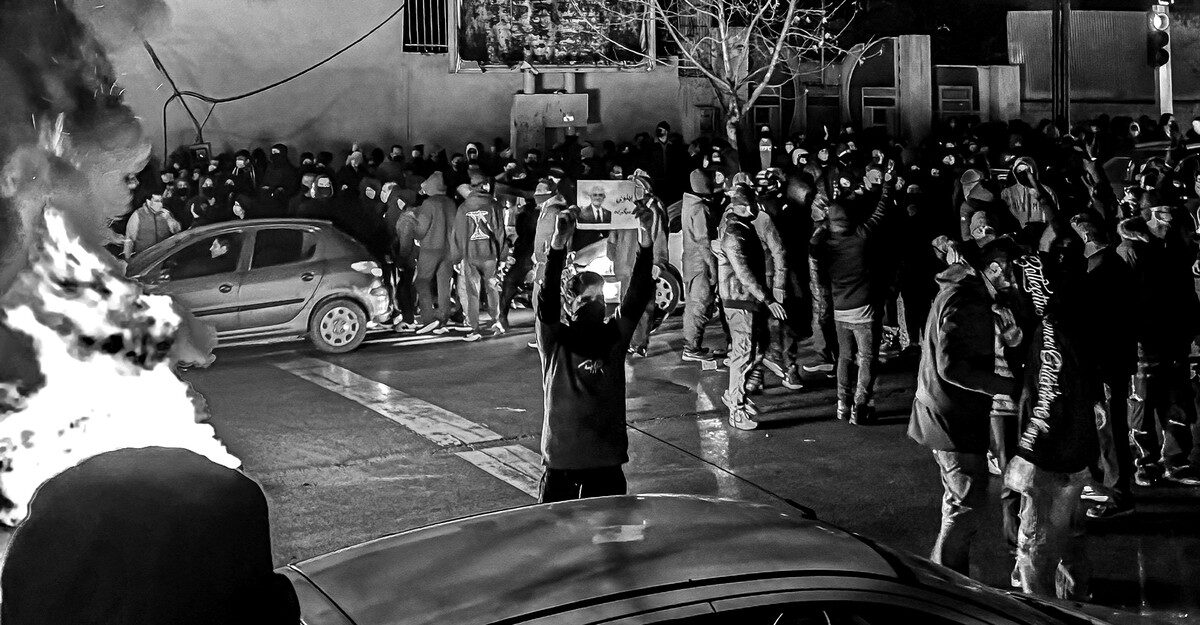
Under the cover of a total internet shutdown that has now lasted more than 100 hours, Iran's security forces have unleashed bone-chilling brutality on protesters, killing at least 2,000 people, according to Iranian officials. Rather than hiding its crimes, the regime has broadcast footage from a morgue on state television. Corpses overflowed the facility, where relatives searched for their loved ones. The news anchor casually declared that the bodies were mostly those of 'ordinary people.' Although Iranians have demonstrated in huge numbers again and again'in 2009'10, 2017'18, 2019'20, and 2022'23'the protest movement has repeatedly failed to produce a well-organized leadership that poses a clear alternative to the regime. If this time is going to be different, the opposition has to fix that problem. In this wave of protests, for the first time, thousands of Iranians chanted slogans in support of an opposition leader abroad seeking to dismantle the regime. Reza Pahlavi, the U.S.-based son of the former shah, has declared himself ready to lead the transition away from the Islamic Republic. His call for protesters to come out last Thursday and Friday (Iran's weekend) helped grow the numbers to levels probably unseen since 2009....
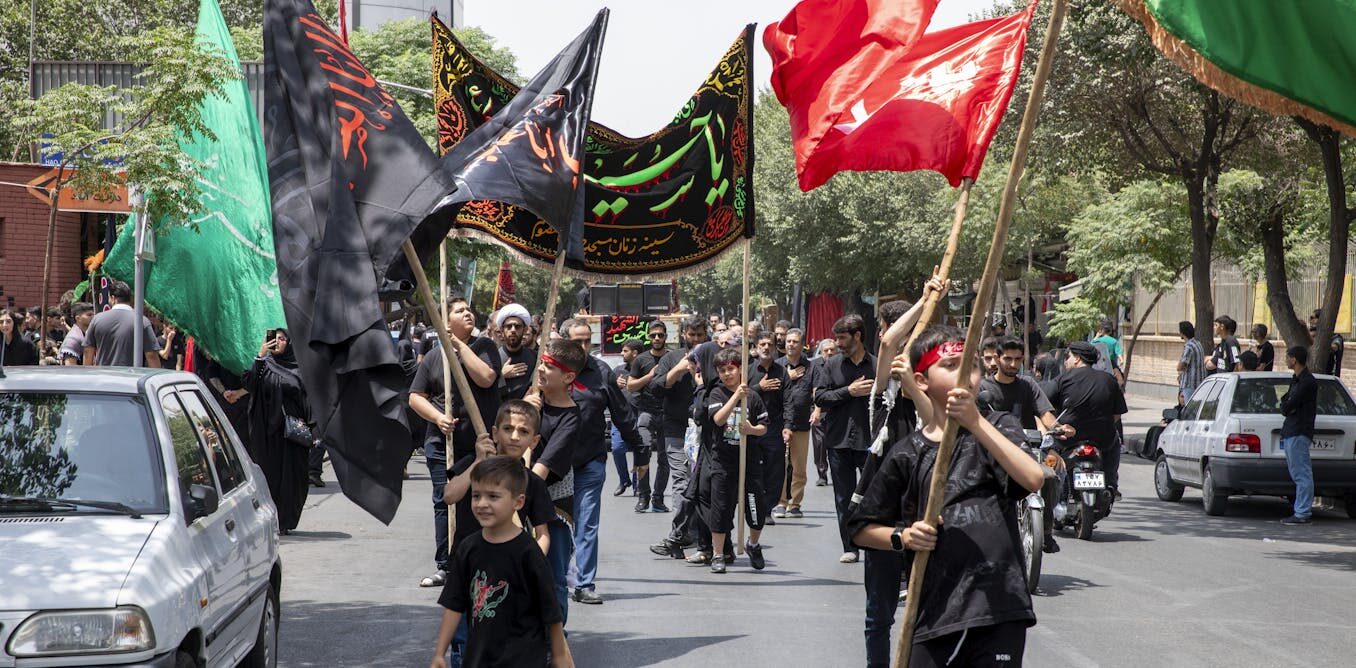
Iran is the only country to have Twelver Shiism as its official religion. In this tradition, religious leaders known as the maraji' al-taqlid ' the highest-ranking cleric within Twelver Shiism ' and other high-ranking clerics, including ayatollahs, are regarded as moral and spiritual authorities whose guidance extends to both religious and political matters. The second-largest population of Twelvers after Iran is in Iraq. Other major communities live in Pakistan, India, Lebanon, Azerbaijan and other countries of the Persian Gulf, such as Bahrain and Kuwait. There are also Twelver communities in some Western countries. I am a practicing Twelver and have worked for an anthropological research project that highlights the rich cultural traditions of ethnic groups across Iran, based on written historical documents that cover various topics. This experience deepened my appreciation for Iran's diversity, including the many ways in which Twelver Shiism is practiced and understood. Twelver Shiism is deeply rooted in a spiritual, theological and ethical tradition with over a millennium of history....
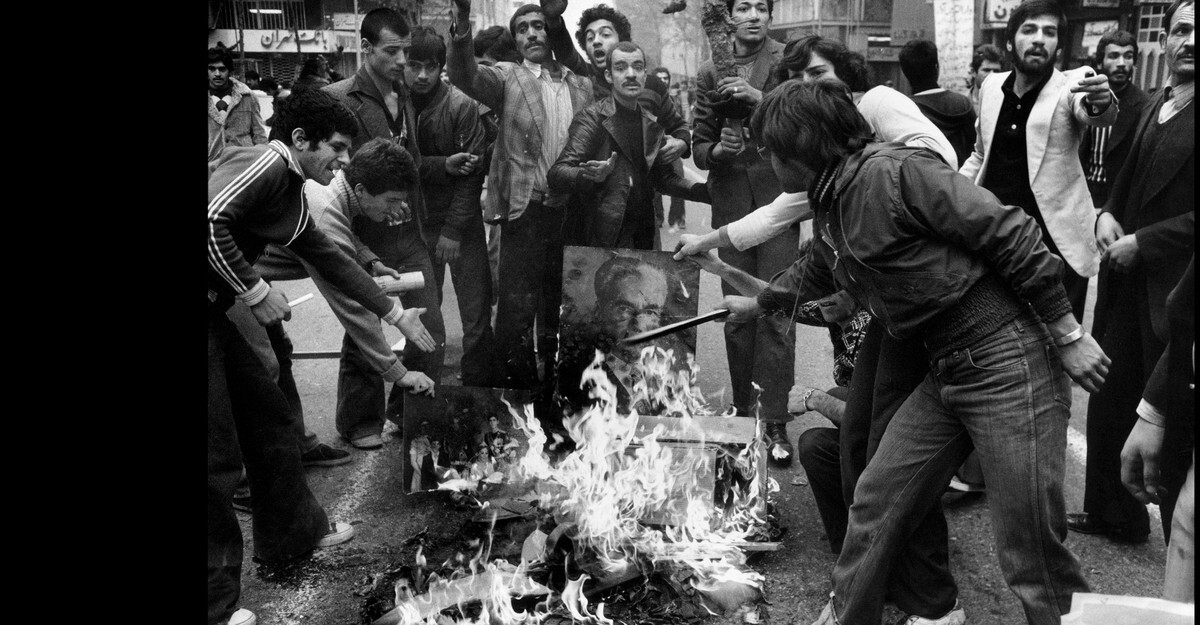
The Islamic Republic of Iran is a constant source of anguish for its own people, its neighbors, and the broader world. The government likely executes more people than any state except China. It imposes bizarre restrictions on its citizens, especially women (who are barred from singing solo, cycling, or smoking hookah in public). Its transnational revolutionary Islamist identity is extremely rare for a modern state. Similarly ideological states of the communist variation were mostly either abolished long ago or preserved only in name. Yet the Tehran regime is still here. How was it that, of all countries, Iran became this Islamic Republic' It boggles the mind, especially if you get to hang out with Iranians. On average, we are less religious than many peoples of the Muslim world, and patriotic to the point of narcissism. How did we become the building block of globally messianic Islamism' In other words, how did the Islamic Revolution of 1979 come to be, and why did its leaders endure' The revolution was preceded by years of organized opposition to the shah, waged not just by Islamists but by Marxists, nationalists, and liberals. Each group had entered the movement with its own aspirations. Very few advocated for the kind of theocracy that eventually emerged and went on to repress all non-Islamists. The losers of the revolution have spent the years since trying to figure out what went wrong....