The first lesson was that Ukraine was stronger than Russian or American authorities expected. Most commenters expected Russia to win rapidly, not unreasonable given the relative size of the two countries' population and economies. They didn't. It took longer to learn but the second lesson was that so was Russia. Their military performance was not impressive but neither sanctions nor the cost of three and a half years of a very bloody war seems to have had much effect on the economy, the conditions for Russian civilians, or Putin's hold on power. The third lesson was that the crucial weapons were not tanks but drones and that the technological superiority of the NATO powers was less important than expected. As best I can tell, the important improvements in drone technology were made not by the US and the advanced European economies but by Russians and Ukrainians. The fourth lesson was that the European NATO powers were weaker than expected. Their GNP is about four times Russia's and nobody is blowing up their factories, but three and a half years after Russia invaded Ukraine and they committed to supply Ukraine, their production of artillery shells is still much less than Russia's....
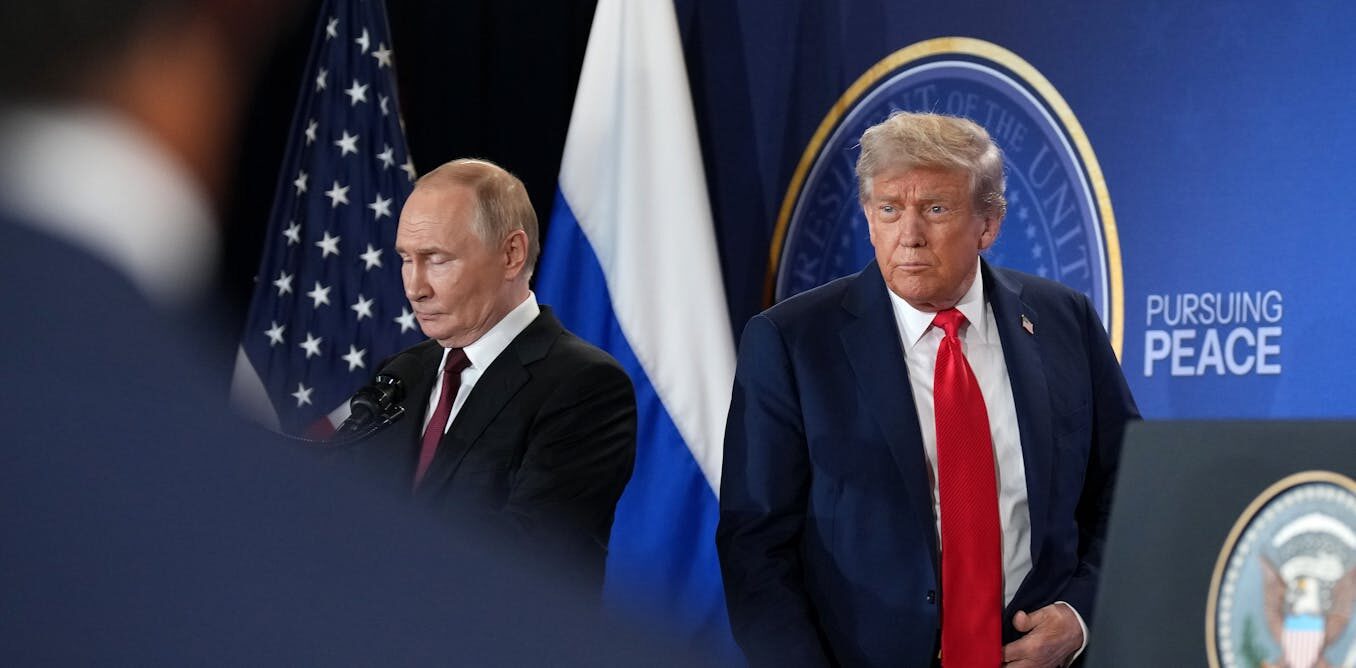
If you're confused about the aims, conduct and outcome of the summit meeting between U.S. President Donald Trump and Russian leader Vladimir Putin held in Anchorage, Alaska, on August 15, 2025, you're probably not alone. As summits go, the meeting broke with many conventions of diplomacy: It was last-minute, it appeared to ignore longstanding protocol and accounts of what happened were conflicting in the days after the early termination of the event. The Conversation U.S.'s politics editor Naomi Schalit interviewed Donald Heflin, a veteran diplomat now teaching at Tufts University's Fletcher School, to help untangle what happened and what could happen next. First, the two parties, Russia and Ukraine, weren't asking to come to the peace table. Neither one of them is ready yet, apparently. Second, the process was flawed. It wasn't prepared well enough in advance, at the secretary of state and foreign minister level. It wasn't prepared at the staff level. What was a bit of a surprise was the last couple days before the summit, the White House started sending out what I thought were kind of realistic signals. They said, 'Hopefully we'll get a ceasefire and then a second set of talks a few weeks in the future, and that'll be the real set of talks.'...
After more than three years of war, the prospects of peace for Ukraine remain slim. There is no obvious credible pathway even to a ceasefire, given Russia's refusal to extend a brief and shaky truce over Easter. This, despite the US, UK and Ukraine all signalling their support for this idea. And even if the considerable hurdles impeding a ceasefire deal could be overcome, a more fundamental problem would remain. None of the key players in the conflict appear to have a plan for an agreement that is likely to be acceptable to Kyiv and Moscow. Previous plans, such as a joint proposal by China and Brazil in May last year which was supported by a Chinese-led 'Friends of Peace' group were primarily focused on a ceasefire as a stepping stone to negotiations about an actual peace agreement. This and other plans were all light on detail of what a peace deal between Russia and Ukraine would entail but were nonetheless roundly rejected by Ukraine and its western allies as favouring Russia. Given that a ceasefire would simply freeze the front lines and very likely make them permanent with or without a subsequent peace agreement, this was not an unreasonable position....
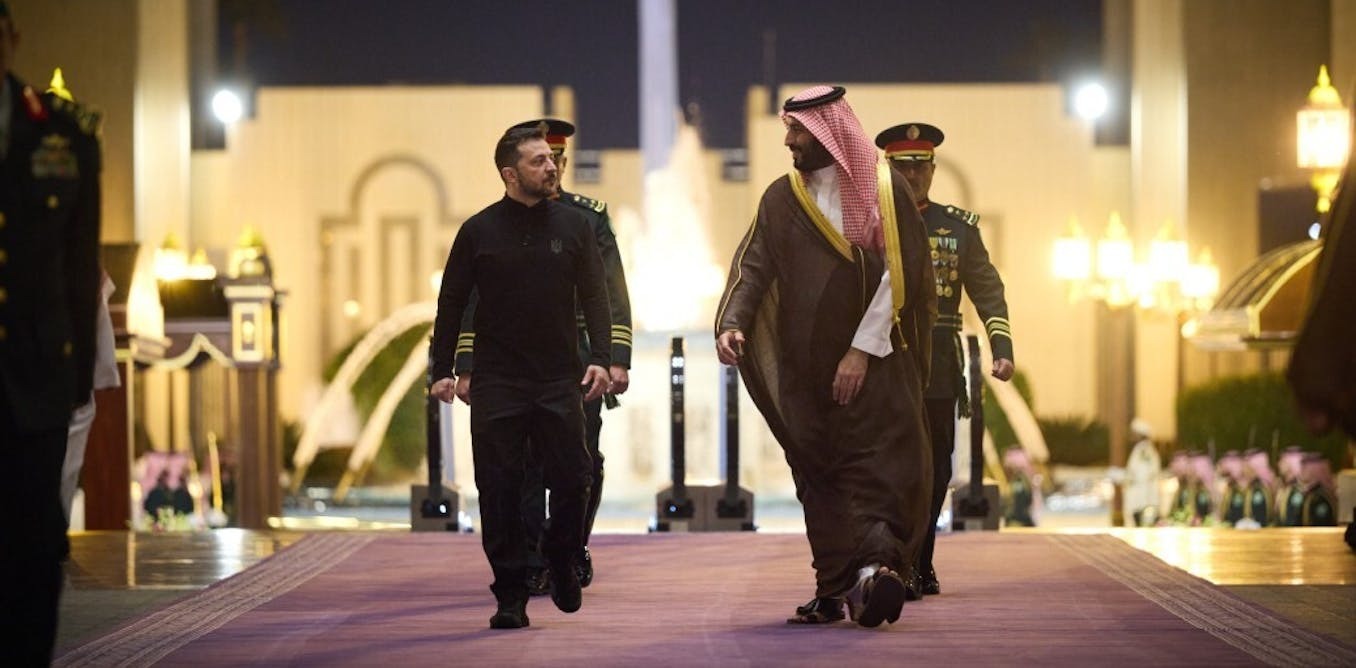
Saudi Arabia is 2,000 miles from Ukraine and even more politically distant, so at first glance it might seem like it has nothing to do with the ongoing war there. But the Gulf state has emerged as a key intermediary in the most serious ceasefire negotiations since Russia invaded its neighbor three years ago. In a flurry of diplomatic activity on March 10, 2025, Saudi Crown Prince Mohammed bin Salman, the country's top political authority, hosted separate meetings with Ukrainian President Volodymyr Zelenskyy and a U.S. delegation led by Secretary of State Marco Rubio and national security adviser Mike Waltz. The resulting agreement, which is now being mulled in Moscow, is all the more notable given that it followed a diplomatic breakdown just weeks before at the Oval Office between Zelenskyy, President Donald Trump and Vice President JD Vance. Whether the proposed interim 30-day ceasefire materializes is still uncertain. On March 14, Russian President Vladimir Putin said he agreed with the proposal in principle, but he added that a lot of the details needed to be sorted out....


