If your pitch still leads with 'we use AI,' you're describing infrastructure, not a business. Consider that 97% of the products nominated for this year's Products That Count Product Awards are deeply integrated with AI, highlighting the extent to which the days of AI as a differentiator are officially gone. We analyzed Crunchbase data on 576 venture-backed, AI B2B companies that raised $50 million-plus rounds since the start of 2025 using Hamilton Helmer's 7 Powers framework and layered in insights from Products That Count's 600,000-plus product leader community. Counter-positioning is what happens when a newcomer builds a business model so structurally different that the incumbent can't copy it without destroying their own economics. Netflix versus Blockbuster is the canonical example. Blockbuster could have matched the subscription model, but doing so would have gutted late-fee revenue, which kept their stores alive. So they didn't, until it was too late. In the AI era, this power is rare and underutilized. Only 5% of companies in our dataset leverage counter-positioning. Investors price that scarcity at a median enterprise value of 5.3x per dollar raised ' the highest multiple of any power in the analysis....
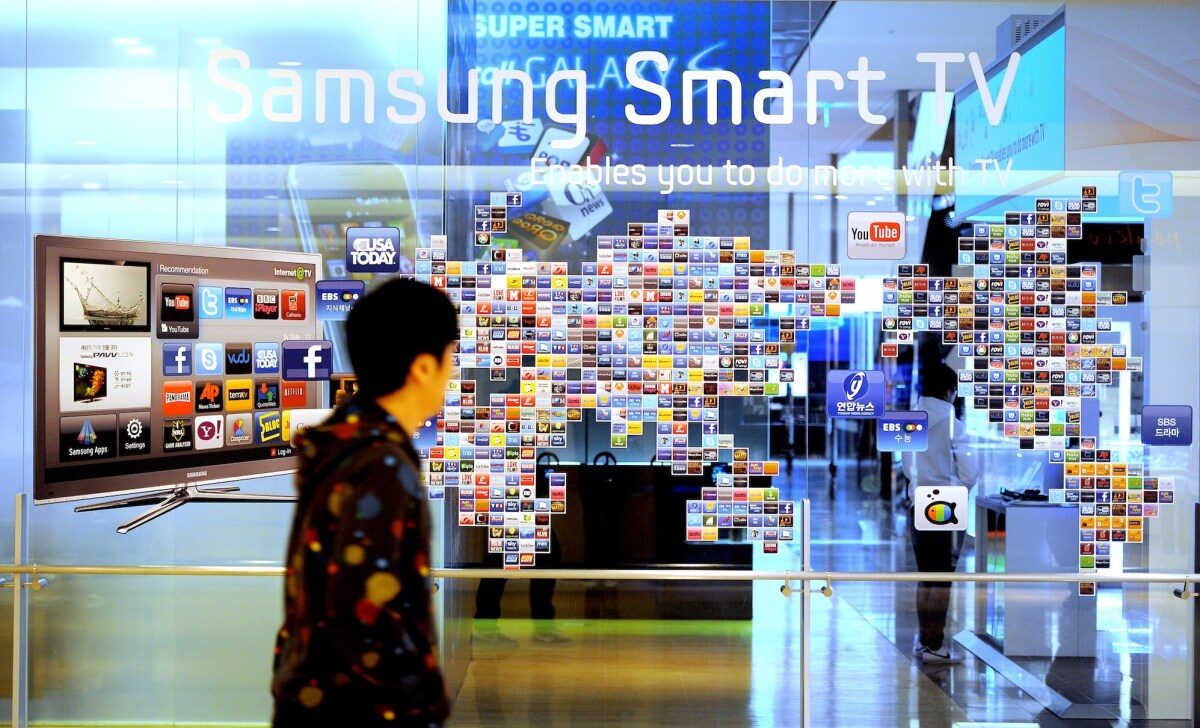
Several popular Samsung smart TV apps contain code that share the owner's internet connection with strangers, potentially putting millions of Samsung smart TVs at risk of hijacking, according to new security research published on Monday. These apps contain software that funnels outsiders' web traffic through ordinary home and office internet connections, known as residential proxy networks (or 'resproxies'), which are increasingly being linked to cybercrime. When opened, apps with resproxy code can turn the smart TV into an always-on tunnel for outsiders to funnel their web traffic through, known as an exit node ' even when the app is no longer open. The security research by Norwegian cybersecurity company Mnemonic describes a perfect storm of problems that allows low-quality apps to proliferate across Samsung's app store, containing code that puts users at risk of having their internet connections tapped by a rogue app. Many of these apps are bare-bone shells, made from only a few lines of code, and are designed solely to load content from another website, such as a game. While such smart TV apps load content from another server, any review of these apps sees only the few lines of code within, and not necessarily the content itself....
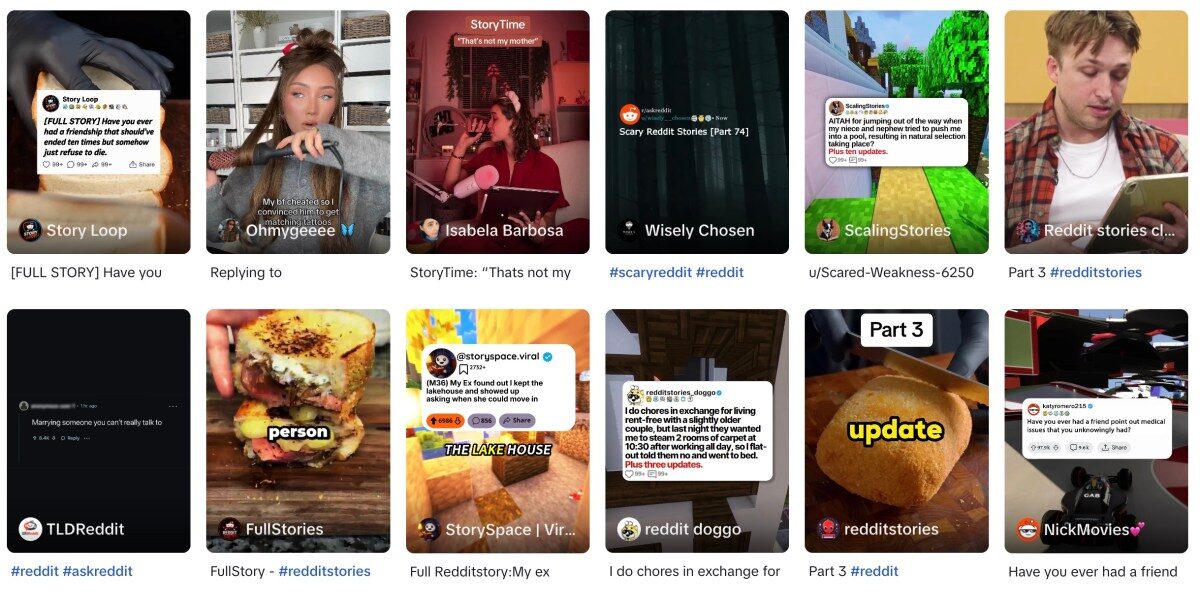
Reddit is taking a cue from TikTok to bring viral stories to life through video. On Thursday's second-quarter earnings call, the company said it's been working on a new 'video Reddit' experience that would not only allow users to watch videos from the platform, but also listen to posts in the background. He's right ' on TikTok, for instance, there are 19.6 million posts labeled with the hashtag #reddit and another 9.9 million labeled #redditstories. Many of these feature a text-to-speech narration of a viral story published on Reddit paired with an unrelated video, like gameplay footage or cooking content. 'There is an emerging content type elsewhere on the internet of, basically, podcasts where people read Reddit content,' Huffman explained on the call. 'I think this version of, like, listened-to or spoken Reddit can be really engaging, as well,' he said. 'So that would be almost a different format entirely.' Last week, Facebook announced plans to begin testing later this year a reimagined experience that will put a subset of users into a full-screen video as soon as they open the app. Streaming apps like Netflix, Disney+, Peacock, and HBO Max have also added TikTok-like short video feeds in recent months. Amazon offers a short video feed for shopping inspiration. There's even a short video feed on LinkedIn, of all places....
Prediction market Kalshi sent Netflix a cease-and-desist letter on Friday demanding that the streaming service take down the trailer for an upcoming documentary. In the letter, Kalshi claimed the trailer is 'defamatory' and contains 'both fabricated documents and false and misleading statements.' 'Instadocs: The Prediction Games' is a documentary about the rise of prediction markets. According to Netflix, the film ' part of the streamer's 'Instadoc' series of fast-turnaround documentaries ' features interviews with both Polymarket CEO Shayne Coplan and Kalshi CEO Tarek Mansour. The trailer, however, focuses on a recent party in Las Vegas, where men who have 'made millions of dollars on prediction markets, probably eight figures, just over the course of the World Cup' have gathered to watch the World Cup final. One of the guests declares, 'I like betting on Kalshi,' while another shows off an apparent $5,000 bet on their phone. However, Kalshi is currently banned from operating in Nevada due to a court order. In its cease-and-desist letter, Kalshi said the bet shown on the phone is actually a screenshot of a bet made on May 16, 2025 ' long before the ban. But the company argued that in the trailer, Netflix 'misled its millions of customers into believing this individual was able to successfully trade sport event contracts in Nevada on July 19, 2026.'...


