And by the way, did you know that the Flemish painters Hubert and Jan van Eyck's Ghent Altarpiece has been stolen seven times over its history' Napoleon got his hands on it for a while, as did Hitler. And in 1934, thieves broke into the Ghent cathedral and stole a single panel of the polyptych; every other robbery was eventually undone, but that portion from the lower left is still missing....
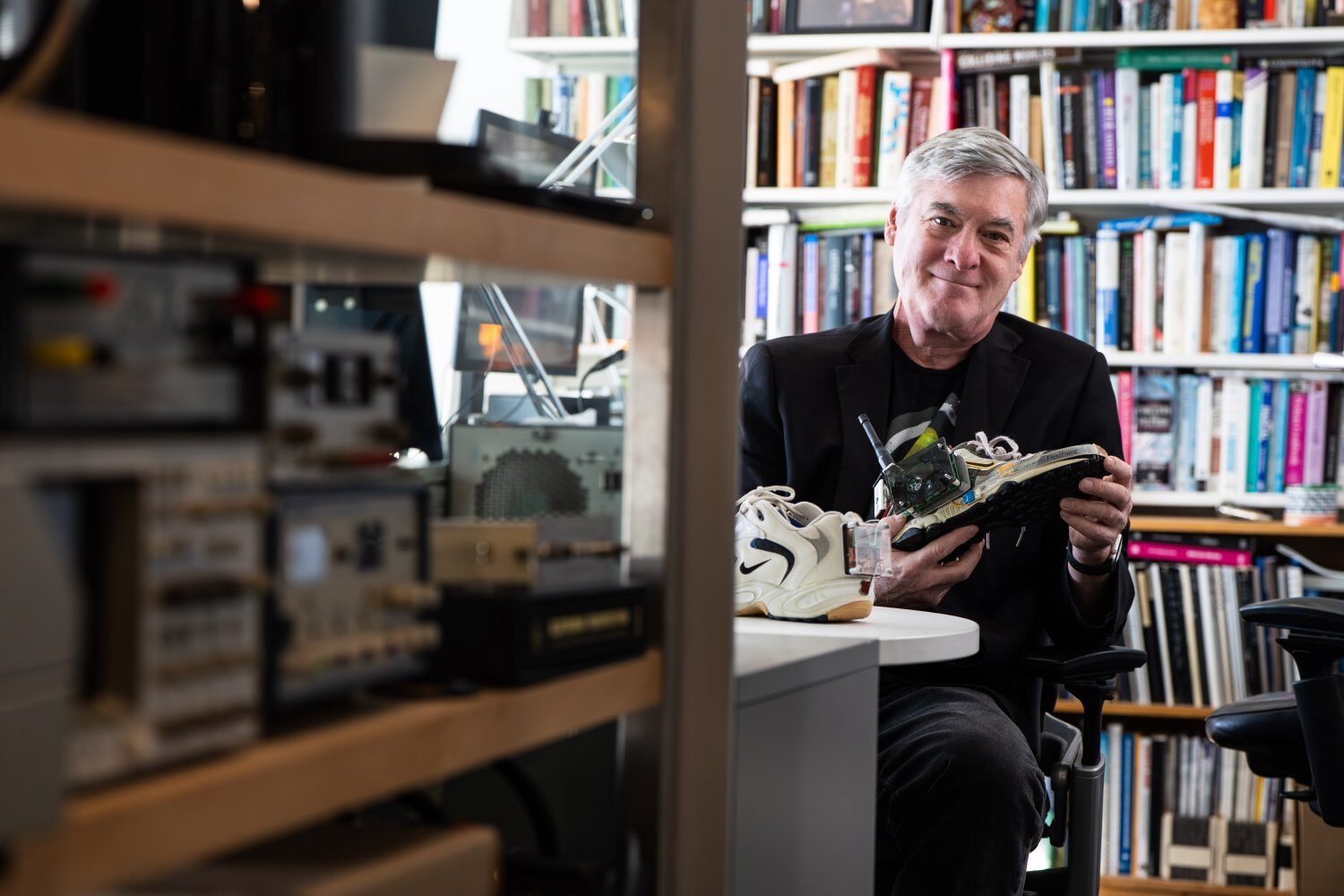
Paradiso was trained as a physicist and completed his PhD in experimental high-energy physics at MIT in 1981. His father was a photographer and filmmaker working at MIT, MIT Lincoln Laboratory, and the MITRE Corporation, so he grew up in a house where artists, scientists, and engineers regularly gathered and interesting music was always playing. That mix of influences led him to the MIT Media Lab, where he is the Alexander W. Dreyfoos Professor, academic head of the Program in Media Arts and Sciences, and director of the Responsive Environments research group. At the Media Lab, Paradiso conducts research that engages sensing of different kinds and applies it across diverse and often extreme applications. He works on developing technologies that can efficiently capture and process multiple sensing modalities, and leverages this capability in application domains like the internet of things, medicine, environmental sensing, space exploration, and artistic expression. These efforts use that information to help people better understand the world, express themselves, and connect with one another....
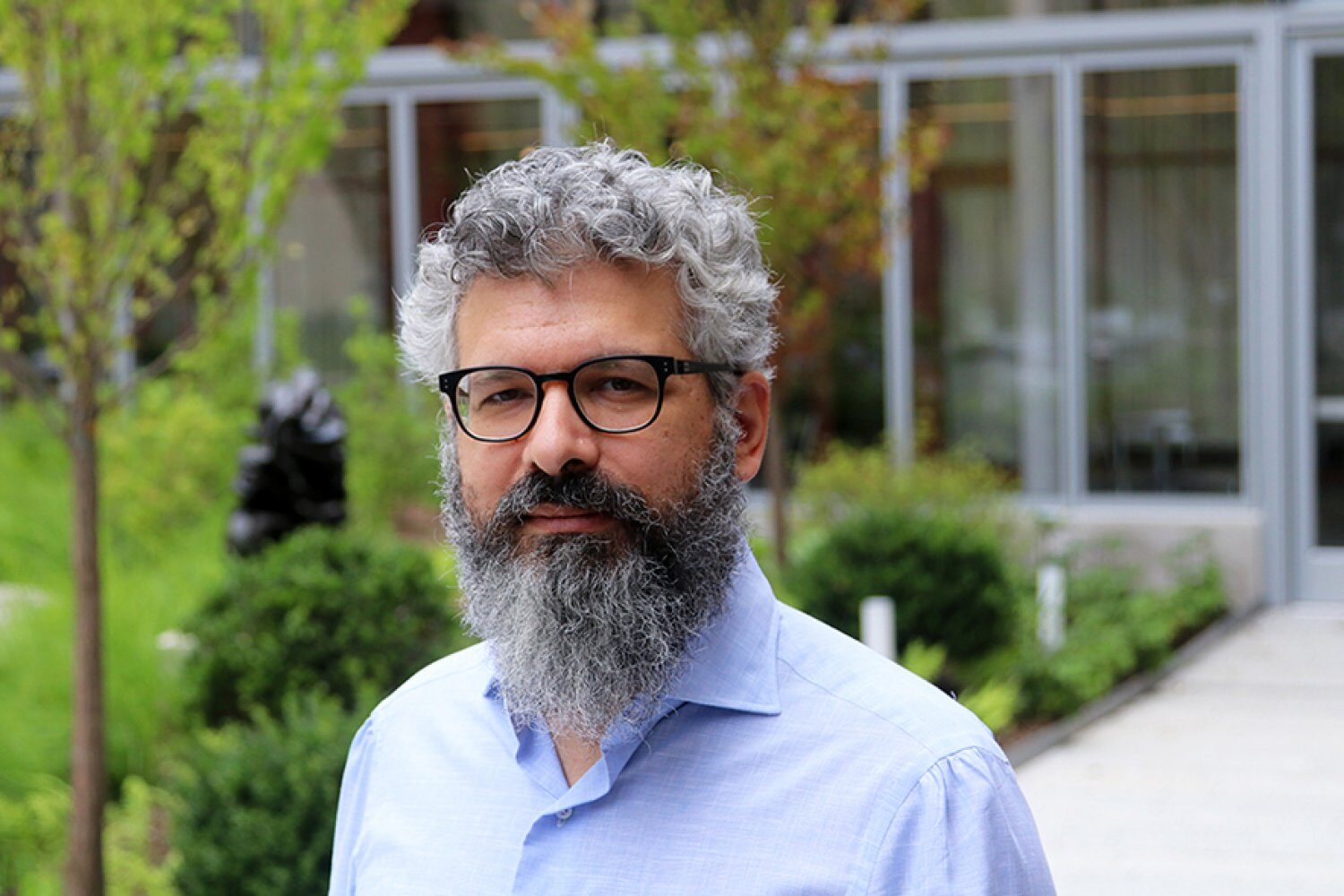
Keeril Makan has been appointed vice provost for the arts at MIT, effective Feb. 1. In this role, Makan, who is the Michael (1949) and Sonja Koerner Music Composition Professor at MIT, will provide leadership and strategic direction for the arts across the Institute. 'Keeril's record of accomplishment both as an artist and an administrative leader makes him exceedingly qualified to take on this important role,' Chandrakasan wrote, noting that Makan 'has repeatedly taken on new leadership assignments with skill and enthusiasm.' Makan's appointment follows the publication last September of the final report of the Future of the Arts at MIT Committee. At MIT, the report noted, 'the arts thrive as a constellation of recognized disciplines while penetrating and illuminating countless aspects of the Institute's scientific and technological enterprise.' Makan will build on this foundation as MIT continues to strengthen the role of the arts in research, education, and community life. As vice provost for the arts, Makan will provide Institute-wide leadership and strategic direction for the arts, working in close partnership with academic leaders, arts units, and administrative colleagues across MIT, including the Office of the Arts; the MIT Center for Art, Science and Technology; the MIT Museum; the List Visual Arts Center; and the Council for the Arts at MIT. His role will focus on strengthening connections between artistic practice, research, education, and community life, and on supporting public engagement and interdisciplinary collaboration....
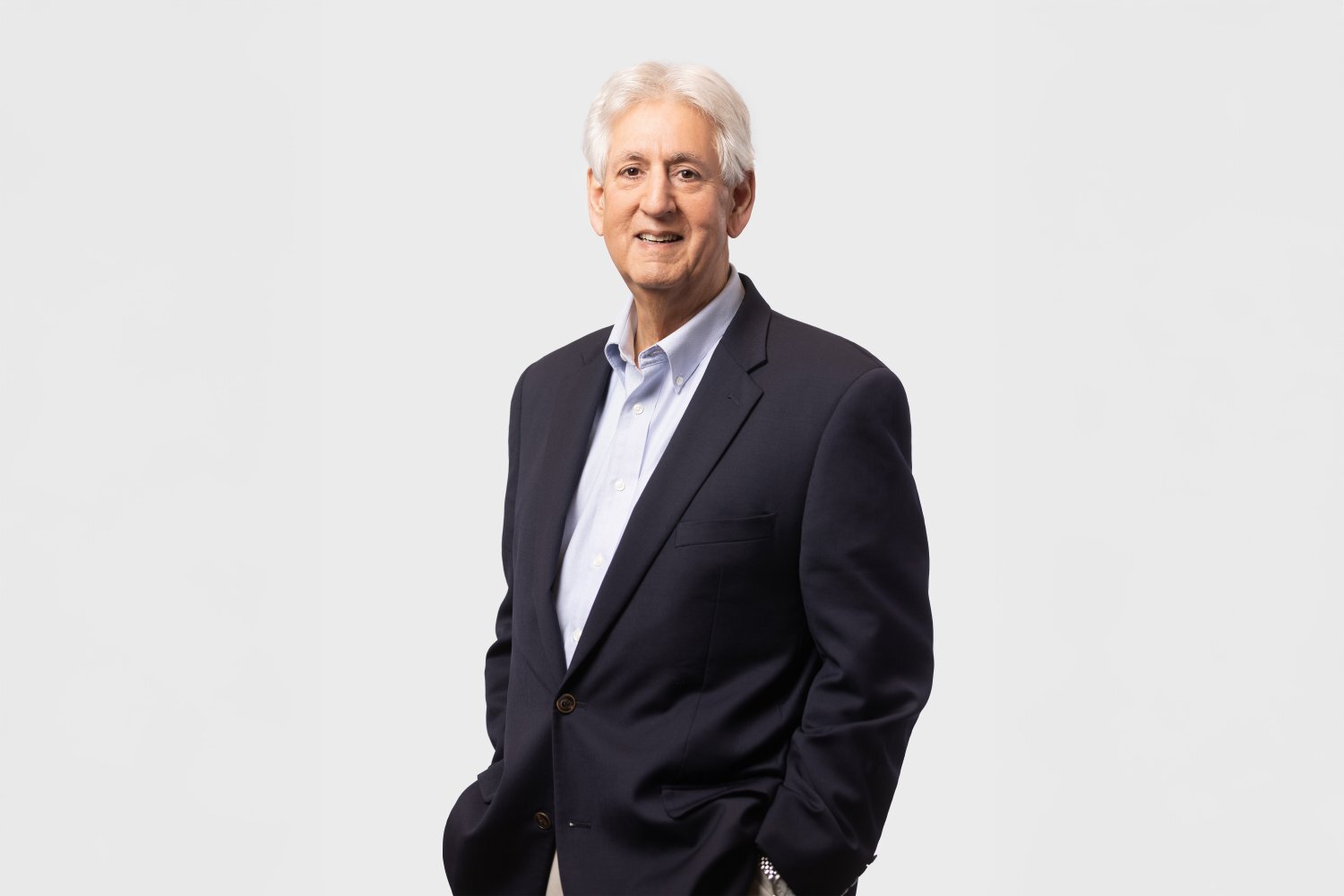
MIT Provost Cynthia Barnhart has announced that Vice Provost for the Arts Philip S. Khoury will step down from the position on Aug. 31. Khoury, the Ford International Professor of History, served in the role for 19 years. After a sabbatical, he will rejoin the faculty in the School of Humanities, Arts, and Social Sciences (SHASS). 'Since arriving at MIT in 1981, Philip has championed what he calls the Institute's 'artistic ecosystem,' which sits at the intersection of technology, science, the humanities, and the arts. Thanks to Philip's vision, this ecosystem is now a foundational element of MIT's educational and research missions and a critical component of how we advance knowledge, understanding, and discovery in service to the world,' says Barnhart. Khoury was appointed associate provost in 2006 by then-MIT president Susan Hockfield, with a double portfolio enhancing the Institute's nonacademic arts programs and beginning a review of MIT's international activities. Those programs include the List Visual Arts Center, the MIT Museum, the Center for Art, Science and Technology (CAST), and the Council for the Arts at MIT (CAMIT). After five years, the latter half of this portfolio evolved into the Office of the Vice Provost for International Activities....