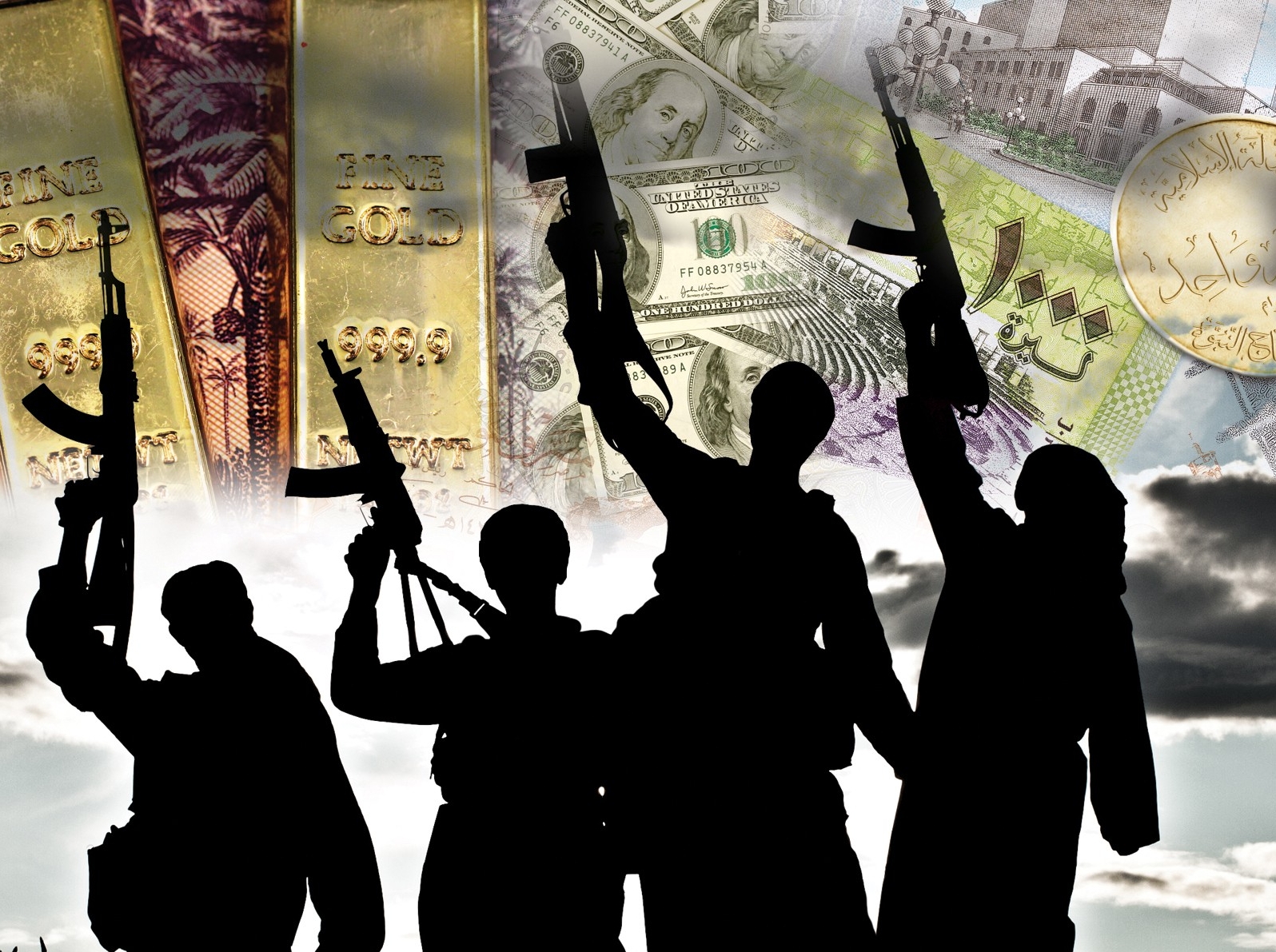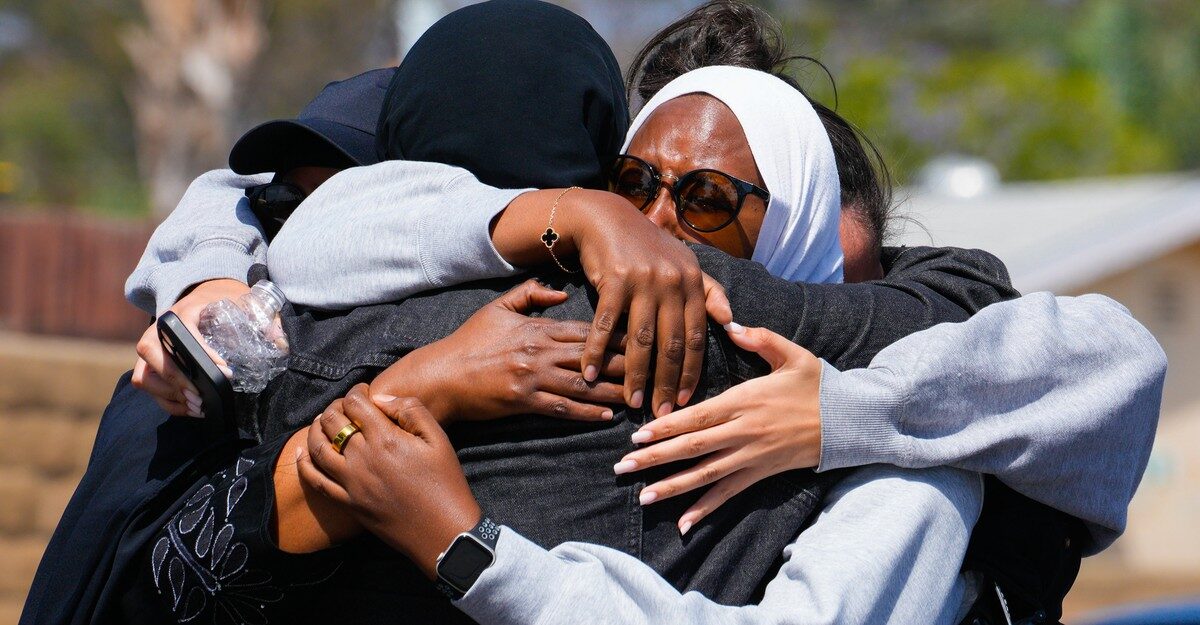
Yesterday in California, the physical world and the world of free-floating grievance and ideological bluster met once again, when two teenagers attacked the Islamic Center of San Diego, killing a security guard and two others, before taking their own lives. The attack is being investigated as a hate crime; according to police, the words hate speech had been scrawled on one of the weapons, and a suicide note left by one of the attackers contained discussions of racial pride. The incident exemplifies an all-too-common form of terrorism: attacks by people who have easy access to weapons and a desire to use violence to make a statement. Some of these attacks come from the left, or from people with inscrutable worldviews. In recent years far-right extremism has proved more frequent and more deadly than the left-wing version. The killings in San Diego took place amid the documented increase in anti-Muslim incidents in the United States since October 7, 2023. This reality is not reflected in the latest version of the United States Counterterrorism Strategy, which the Trump administration released earlier this month. The report, periodically updated, is meant to inform the American public about the current nature of the terrorist threats facing the country and to advise state and local officials about how to plan and train. This year's document makes no mention of right-wing extremism or of victims who are targeted because they are not white Christians. Once a serious document written by serious people, the counterterrorism strategy has been hijacked by the Trump appointee Sebastian Gorka, who used the document to assert that the greatest challenges to the American homeland come from Islamist terrorists, drug cartels, and left-wing extremists. Each is a threat, of course, but the report is striking for overlooking the violence perpetuated by those on the ideological right....
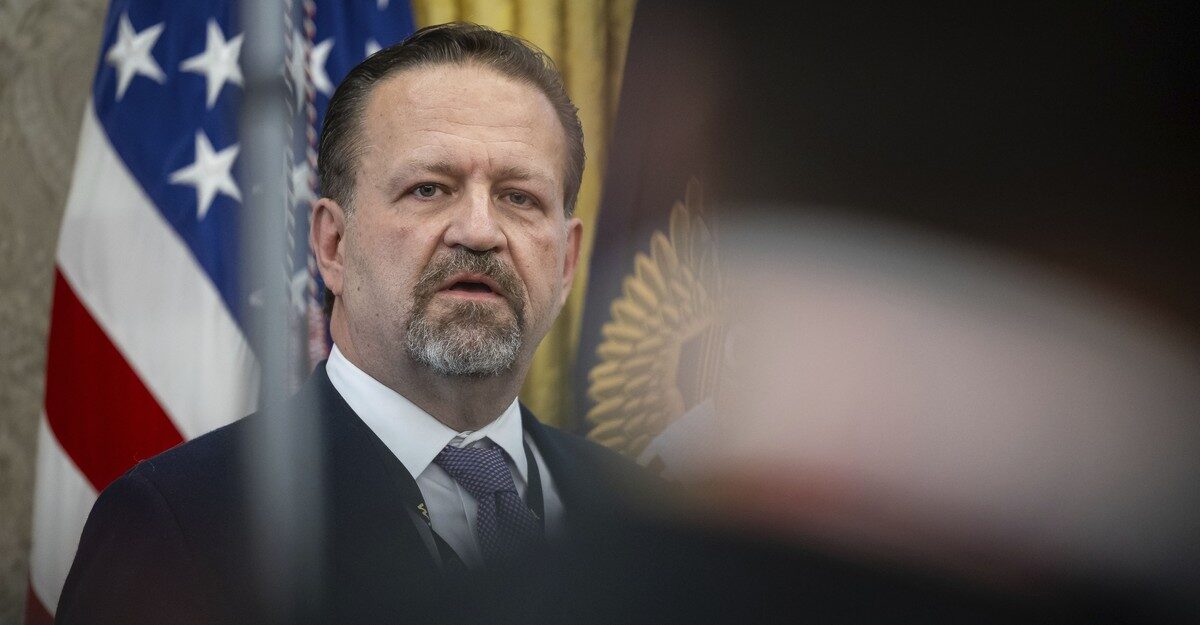
Last week, the Trump administration released the official 2026 United States Counterterrorism Strategy. The document is a mess, replete with typos, hyperbolic assertions, and an obsession with former President Joe Biden. The bigger problem, however, is that it's not an actual strategy. It's more a long set of notes for a campaign speech, a repackaging of President Trump's various preoccupations and prejudices that frames everything the administration doesn't like as 'terrorism' and any actions it has already taken as 'counterterrorism.' As the security expert and Atlantic contributor Juliette Kayyem told me, such reports used to be serious documents meant to 'guide our intelligence and law-enforcement agencies,' as well as inform 'the citizenry, including state and local leaders.' This report, unfortunately, is anything but serious, and good luck to anyone trying to make sense of it. But someone has to figure it out, because it is still an official product of the United States government, and it is still supposed to serve as a guide to policy. With that in mind, I read the report'it's mercifully short'and I offer here a few samples of what readers are up against in trying to understand it....
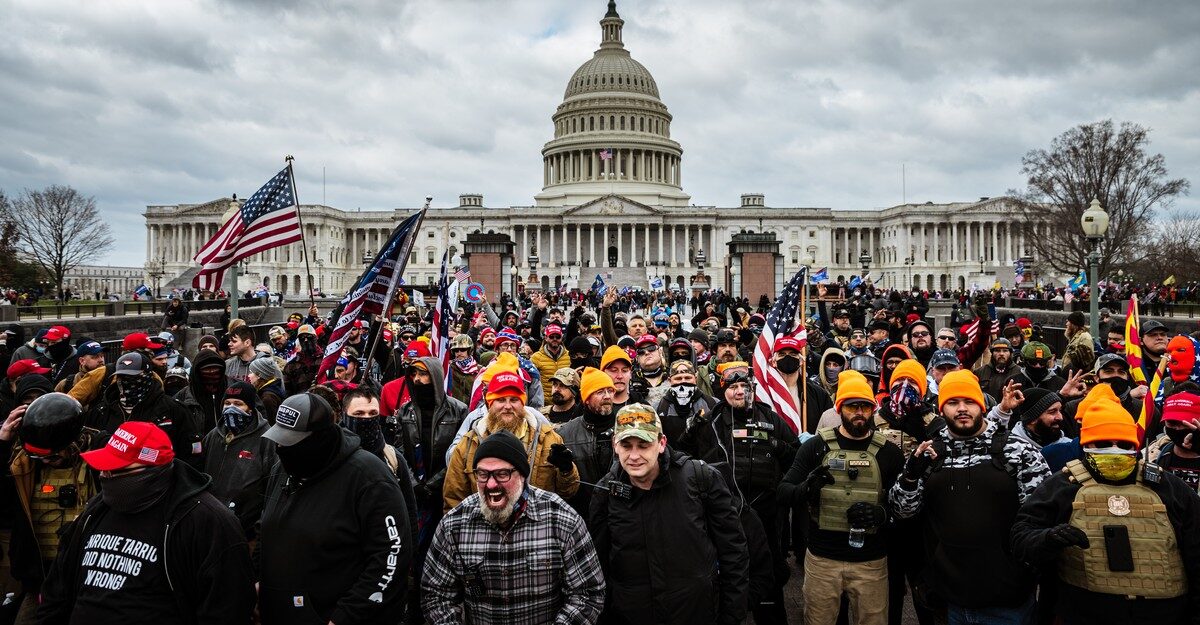
On January 6, Donald Trump's administration published an apologia for the Trump supporters whom he incited to storm the Capitol five years earlier. The next day, Stephen Miller, in response to news that an ICE agent had shot and killed a woman in Minneapolis, lambasted the Democratic Party on X for 'inciting a violent insurrection.' The juxtaposition of the January 6 anniversary and the shooting of Renee Nicole Good in Minnesota the next day is a coincidence of timing. But the echo of language between that which the Trump administration has attacked (alleged violence against federal law-enforcement officers) and that which it has defended (actual violence against federal law-enforcement officers) is striking. President Trump's long-standing view has become official policy: His supporters are definitionally 'patriotic' and therefore entitled to take any actions on his behalf, regardless of how violent or illegal they may be. His opponents are definitionally terrorists, and therefore constitute legitimate targets of state violence. This is how an organized mass attack to overthrow the government becomes 'peaceful' and 'patriotic,' while a single woman attempting to flee ICE agents constitutes a violent attempt to overthrow the government....

National Security Presidential Memorandum/NSPM-7, issued on Sept. 25, 2025, is a presidential directive that for the first time appears to authorize preemptive law enforcement measures against Americans based not on whether they are planning to commit violence but for their political or ideological beliefs. You've probably heard a lot about President Donald Trump's many executive orders. But as an international relations scholar who has studied U.S. foreign policy decision-making and national security legislation, I recognize that presidents can take several types of executive actions without legislative involvement: executive orders, memoranda and proclamations. This seventh national security memorandum from the Trump White House pushes the limits of presidential authority by targeting individuals and groups as potential domestic terrorists based on their beliefs rather than their actions. Unlike executive orders, they are not required to be published. When these memoranda, like NSPM-7, relate to national security and military and foreign policy, they are called national security directives, although the specific name of these directives changes with each administration....