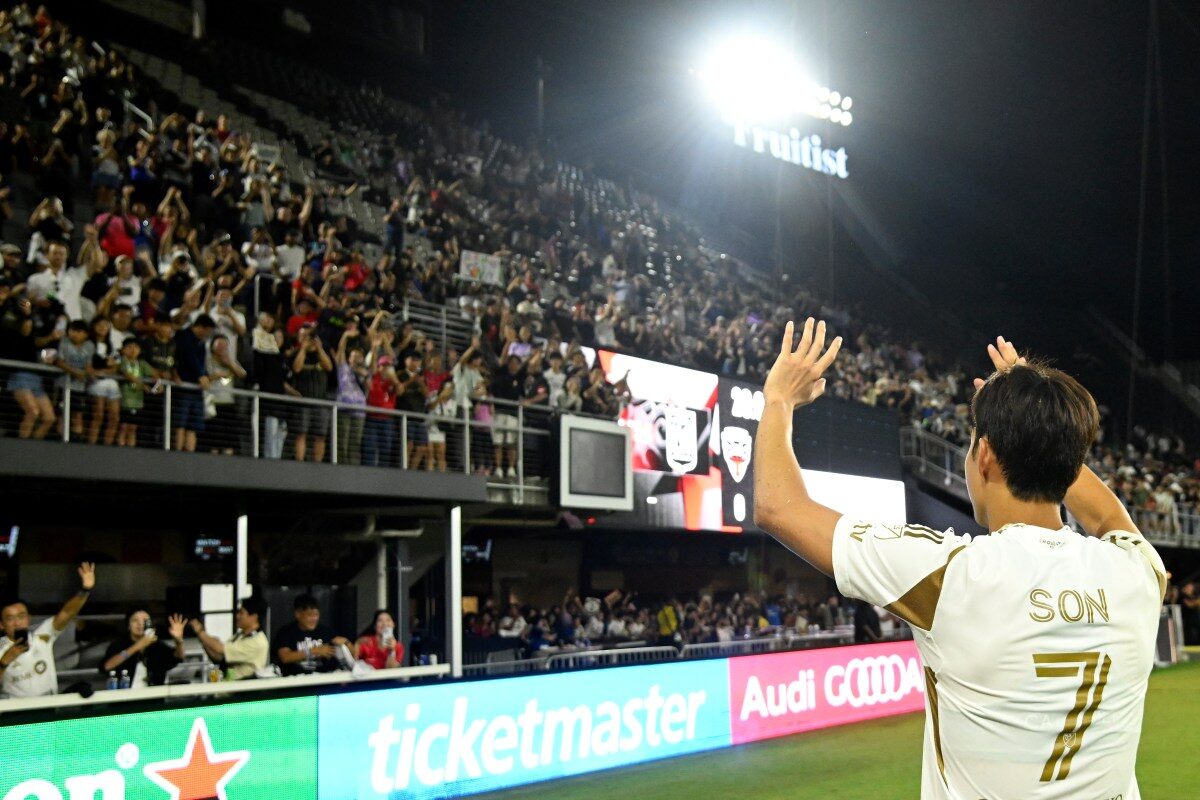
Collaborative Fund, the 15-year-old, New York-based generalist venture firm that has roughly $1 billion under management and that made early bets on Lyft, Reddit, Sweetgreen, and Olipop, among others, is taking a stake in the soccer club D.C. United and its stadium, Audi Field. To recap, Joshua Kushner's Thrive launched a new vehicle, Thrive Eternal, explicitly built to hold 'iconic franchises and cultural institutions' for decades, funded by many of the same investors already in Thrive's venture and growth funds. The firm kicked things off by announcing a stake in the San Francisco Giants. Months later, the same vehicle ' with former Disney CEO Bob Iger, a Thrive partner, joining as co-owner ' bought the Lakers outright for a record $12.5 billion. That's new. Historically, money has poured into pro sports two other ways: individual tech fortunes and private equity. For example, Vinod Khosla and his family agreed this summer to buy the Seattle Seahawks for a record $9.6 billion soon after the Khosla family also took a stake in the San Francisco 49ers alongside OpenAI chairman Bret Taylor. That was a personal-wealth play, the kind we've seen over and over....
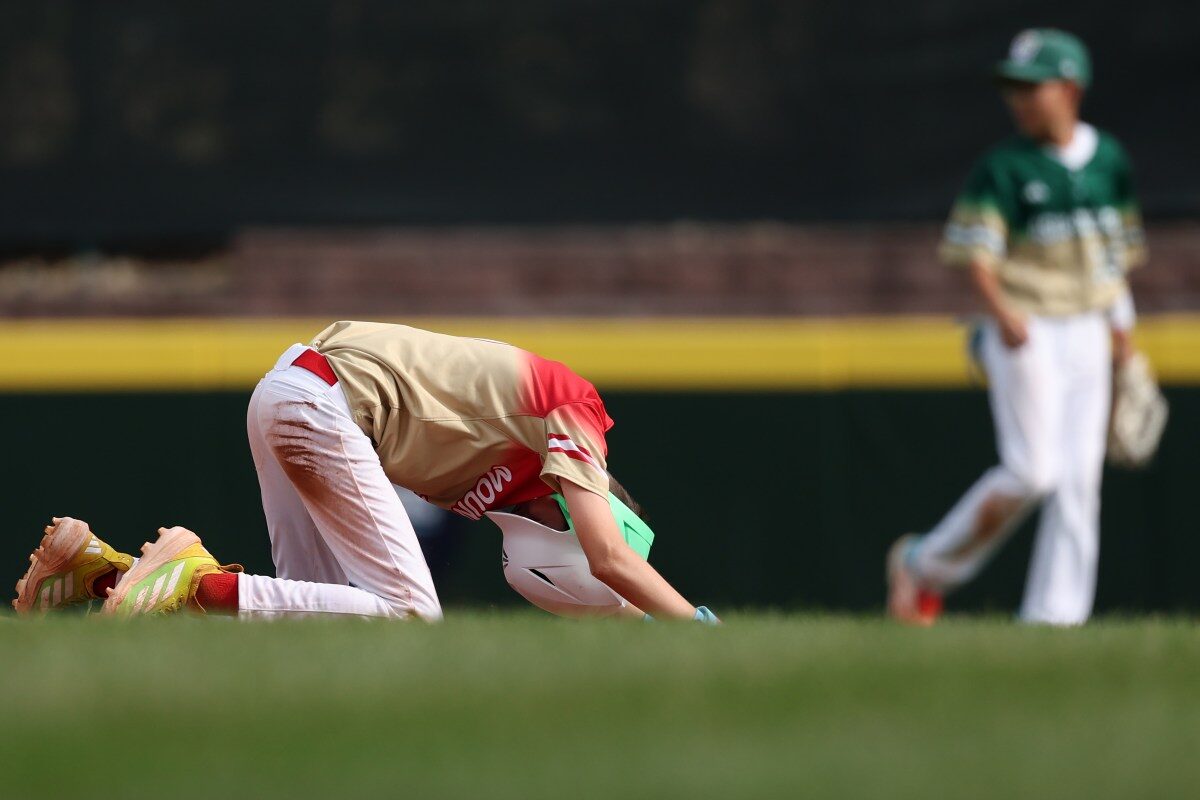
Have we tried turning off society and turning it back on again' We need a complete cultural reset, because there are actually sports betting providers that let people gamble on Little League World Series (LLWS) outcomes. For the uninitiated, the LLWS is an annually televised tournament where ten- to twelve-year-old baseball players from around the world face off. It's a pretty wholesome event, though hopefully not too traumatizing for the kids who drop routine fly balls on a global broadcast that everyone they know is watching. State-regulated sportsbooks and federally regulated prediction markets like Kalshi and Polymarket do not allow bettors to gamble on the LLWS (though Polymarket did offer LLWS bets in 2024). But offshore sportsbooks like BetOnline Sports & Casino don't have to adhere to U.S. laws, so they can offer the opportunity to gamble on children. 'We offer Little League World Series odds because there's a massive demand for it,' BetOnline Brand Manager Dave Mason said in a press release, which added that bettors gambled twice as much money in 2025 as they did in 2024. 'Our customers request these odds every year, and we'll take more bets on the LLBWS over the next two weeks than on established markets such as the WNBA, Major League Soccer, pro tennis or golf.'...
A data breach at a Texas state government department allowed hackers to take the driver's license information and passport numbers of more than 3 million people, according to the state's attorney general. In a data breach notice on the Texas Parks & Wildlife website, the department said the state's cybersecurity unit recently detected a security incident ' the nature of which, or when, were not specified ' that allowed hackers to access to the department's license system vendor, which handles the sale of hunting and fishing licenses. Get an inside look at what it takes to scale and succeed from leaders at Mach Industries, Founders Fund, and Shinkei Systems. Through candid fireside chats and high-impact networking, you'll walk away with valuable insights and new connections....
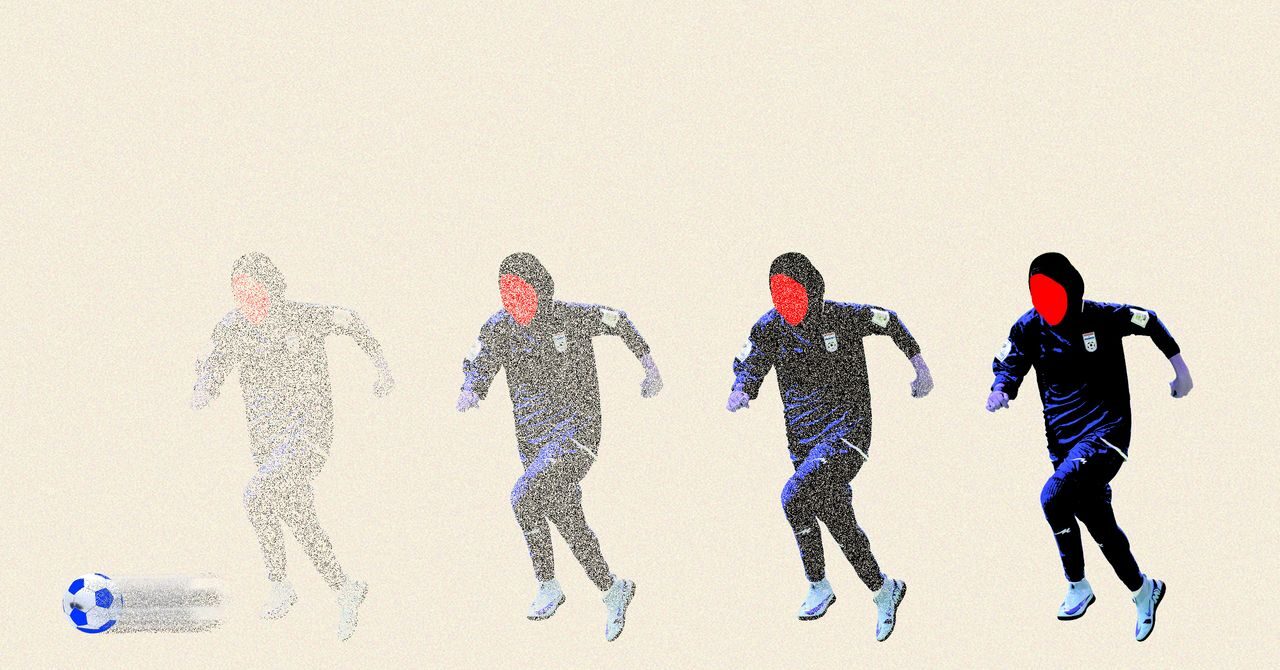
Iran's national soccer team has made its 2026 World Cup debut amid a tumultuous backdrop: an abrupt and tentative ceasefire after months of war, an extraordinary set-up in Mexico after the US prevented the team from residing in-country between matches, and political uncertainty that has now expanded to the international stage. But for many Iranians, professional sports have always sat at an intersection between athleticism, identity, and politics. From sporting defections and political activism to moments of immense national sporting pride, the trajectory of Iranian sports underscores what's at stake this World Cup. The Iranian team, on Tuesday morning, drew 2-2 in their debut against New Zealand and will next face Belgium and Egypt, traveling to and from Mexico in between. 'I think it's not fair,' says Iranian athlete Hadi Tiranvalipour about Iran's team flying from Mexico to the US ahead of each match, although he's not paying much attention to the World Cup this year. Tiranvalipour, like several prominent Iranian athletes, knows the dichotomy of pursuing his sporting dreams amid the backdrop of the nation he once represented. In fact, he left everything behind in 2022: his family, friends, an entire life in Iran, crossing into Turkey, before seeking asylum in Italy. The taekwondo athlete and TV presenter had spent eight years on the Iranian national team and even became its captain, winning countless national and international accolades while representing his country....