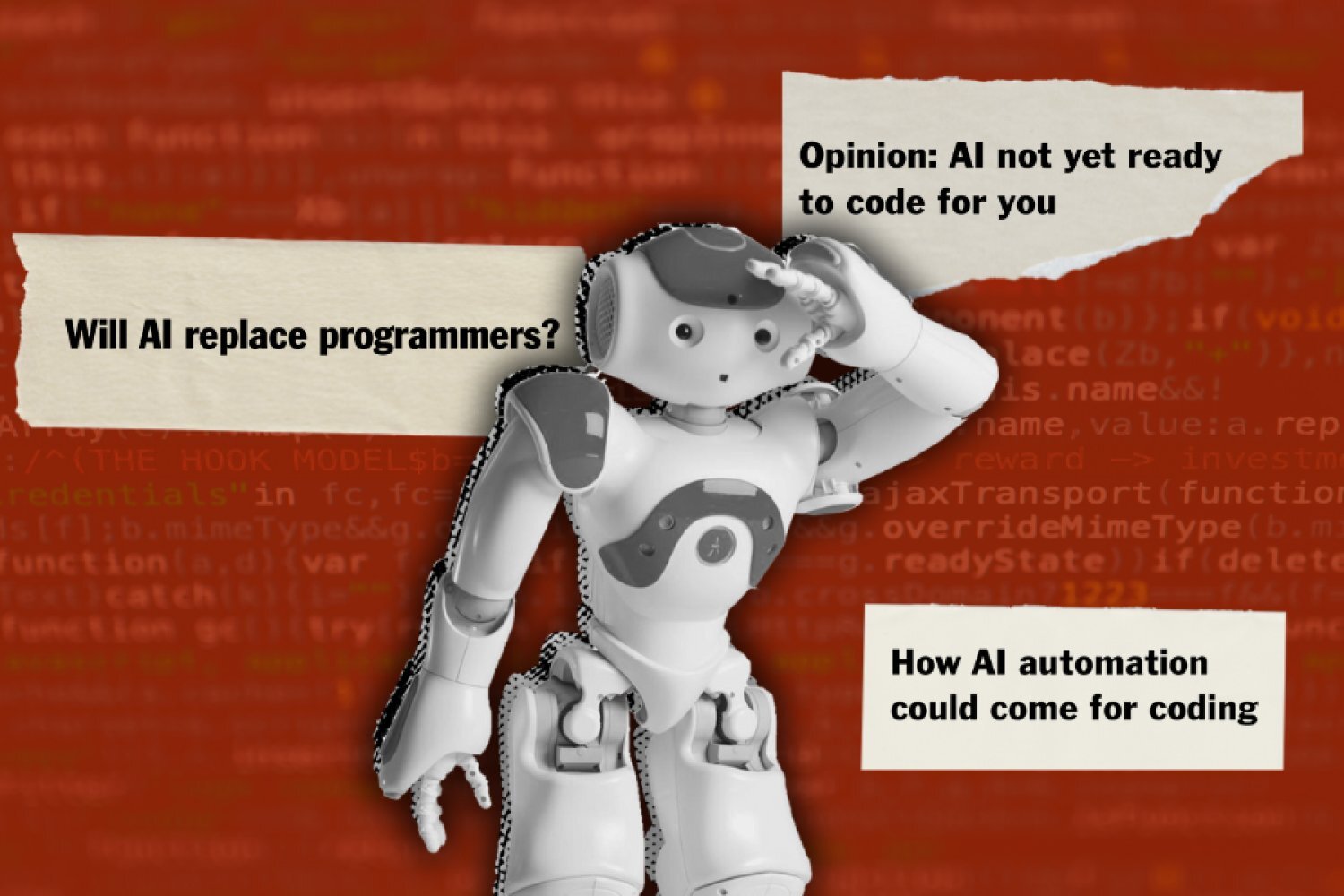
Imagine a future where artificial intelligence quietly shoulders the drudgery of software development: refactoring tangled code, migrating legacy systems, and hunting down race conditions, so that human engineers can devote themselves to architecture, design, and the genuinely novel problems still beyond a machine's reach. Recent advances appear to have nudged that future tantalizingly close, but a new paper by researchers at MIT's Computer Science and Artificial Intelligence Laboratory (CSAIL) and several collaborating institutions argues that this potential future reality demands a hard look at present-day challenges. Titled 'Challenges and Paths Towards AI for Software Engineering,' the work maps the many software-engineering tasks beyond code generation, identifies current bottlenecks, and highlights research directions to overcome them, aiming to let humans focus on high-level design while routine work is automated. 'Everyone is talking about how we don't need programmers anymore, and there's all this automation now available,' says Armando Solar'Lezama, MIT professor of electrical engineering and computer science, CSAIL principal investigator, and senior author of the study. 'On the one hand, the field has made tremendous progress. We have tools that are way more powerful than any we've seen before. But there's also a long way to go toward really getting the full promise of automation that we would expect.'...
As large language models (LLMs) find their way into software development workflows, the need for rigorous benchmarks to evaluate their coding capabilities has grown rapidly. Today, software engineering benchmarks go far beyond simple code generation. They test how well a model can comprehend large codebases, fix real-world bugs, interpret vague requirements, and simulate tool-assisted development. These benchmarks aim to answer a central question: can LLMs behave like reliable engineering collaborators' One of the most important and challenging benchmarks in this space is SWE-bench. Built from real GitHub issues and corresponding pull requests, SWE-bench tasks models with generating code changes that resolve bugs and pass unit tests. It demands a deep understanding of software context, often across multiple files and long token sequences. SWE-bench stands out because it reflects how engineers actually work: reading reports, understanding dependencies, and producing minimal, testable fixes....
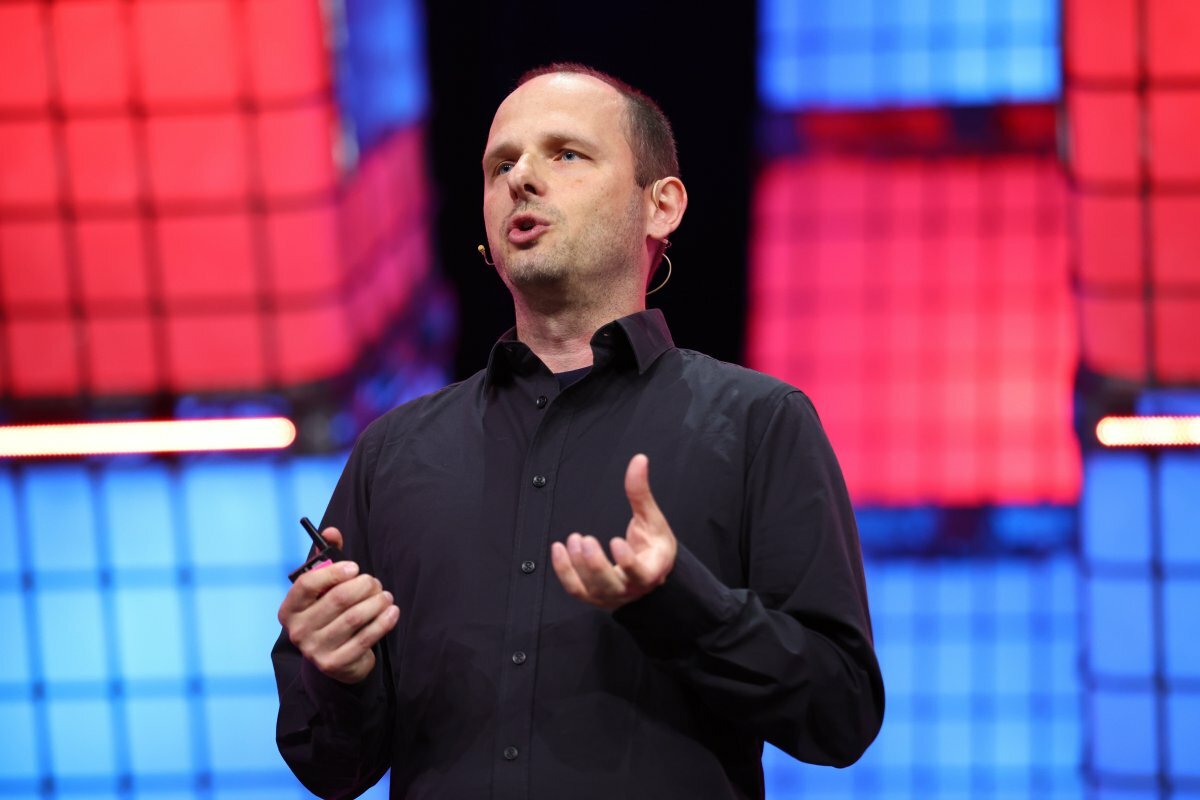
At its annual GitHub Universe conference in San Francisco on Monday, GitHub announced Copilot Workspace, a dev environment that taps what GitHub describes as 'Copilot-powered agents' to help developers brainstorm, plan, build, test and run code in natural language. Jonathan Carter, head of GitHub Next, GitHub's software R&D team, pitches Workspace as somewhat of an evolution of GitHub's AI-powered coding assistant Copilot into a more general tool, building on recently introduced capabilities like Copilot Chat, which lets developers ask questions about code in natural language. 'Through research, we found that, for many tasks, the biggest point of friction for developers was in getting started, and in particular knowing how to approach a [coding] problem, knowing which files to edit and knowing how to consider multiple solutions and their trade-offs,' Carter said. 'So we wanted to build an AI assistant that could meet developers at the inception of an idea or task, reduce the activation energy needed to begin and then collaborate with them on making the necessary edits across the entire corebase.'...