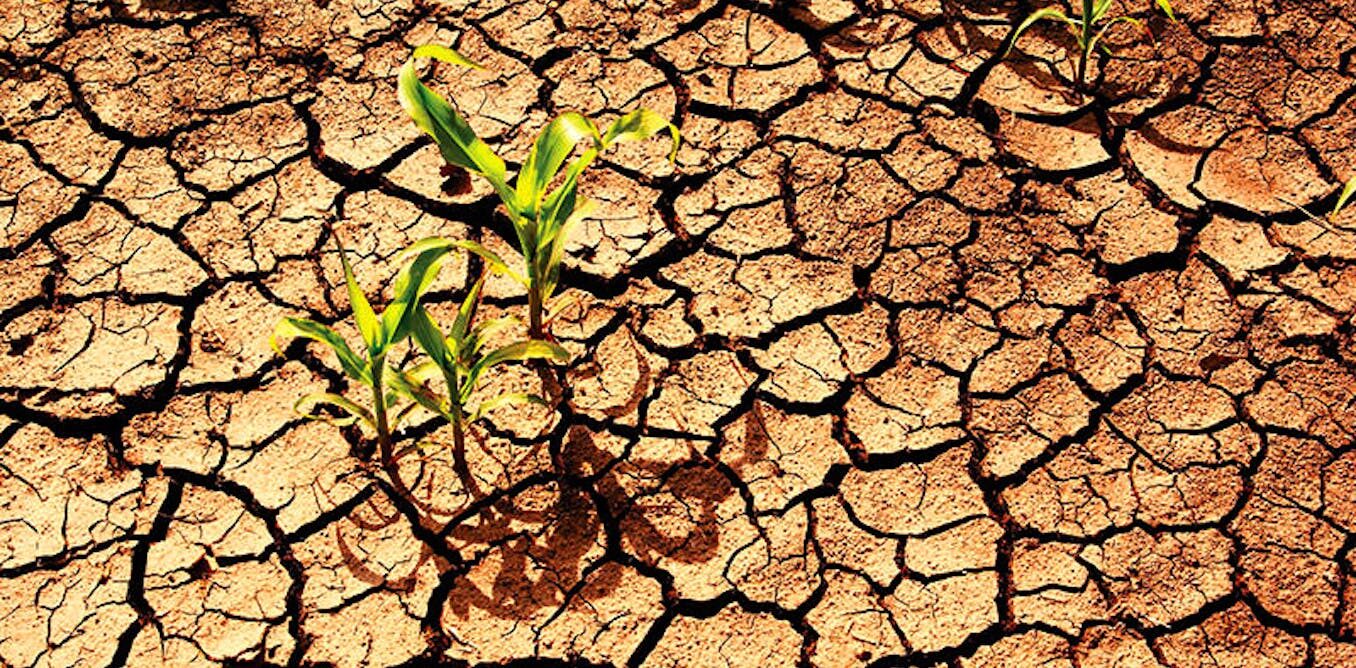
Droughts are a familiar hardship in Ghana's semi-arid north, where rainfall is erratic and agriculture is the mainstay of rural economies. The economic and environmental effects of drought have been well documented. But less attention is paid to its psychological toll on farmers and their families. We conducted a study in the Talensi district of Ghana's Upper East region to assess the impact of drought on the mental wellbeing of peri-urban farmers in semi-arid Ghana. We are a multidisciplinary team of scholars working in the area of resilience, sustainability and more recently psychological wellbeing. Our findings offer important insights for policymakers, especially in the context of climate change, which is intensifying drought conditions in the region. This study is among the first in Ghana ' and the broader west African region ' to empirically examine the mental health effects of drought on farmers using validated psychological tools. It opens a crucial conversation about how vulnerability in the era of climate change is addressed. Our study demonstrates that climate adaptation planning is incomplete without integrating psychological wellbeing....
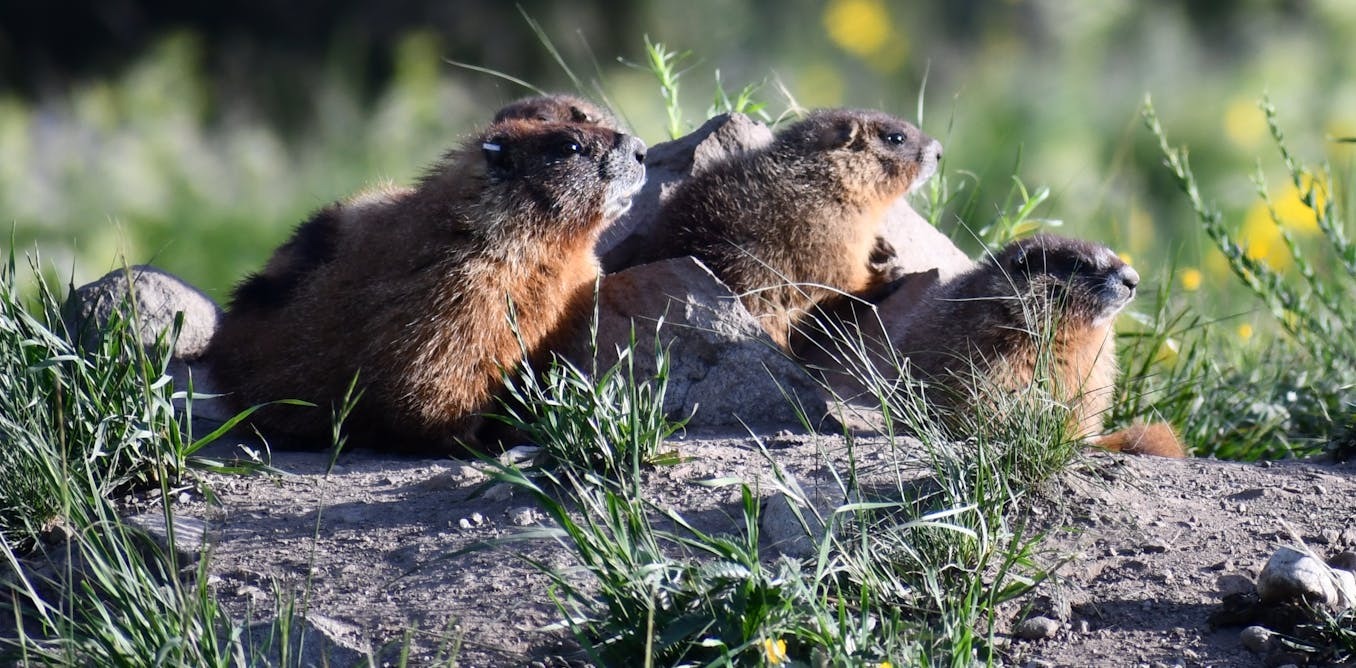
It probably feels obvious that having a close friend can influence your well-being. But do the groups that you're a part of also affect your well-being' For example, does the culture of your work colleagues influence your productivity' This phenomenon, called multilevel selection, is an extension of natural selection: the process by which organisms with traits better suited to their environment are more likely to survive and reproduce. Over generations, these advantageous traits ' behavioral, morphological or physiological ' become more common in the population. In the traditional view of how evolution works, natural selection acts on an individual organism's traits. For instance, mammals with more friends typically live longer lives and have more offspring. The trait under selection in this case is the number of social connections. Multilevel selection proposes that at the same time selection is happening on the traits of individuals, selection also acts on the traits of groups. Here's an example: Living in a more social and interconnected group may be beneficial for the members of that group, meaning the group's traits are under selection. In nature, this means individuals in well-connected groups may live longer lives and have more offspring because well-connected groups may be better at finding limited resources or detecting predators. The traits of the group as a whole are what's under selection in this case....
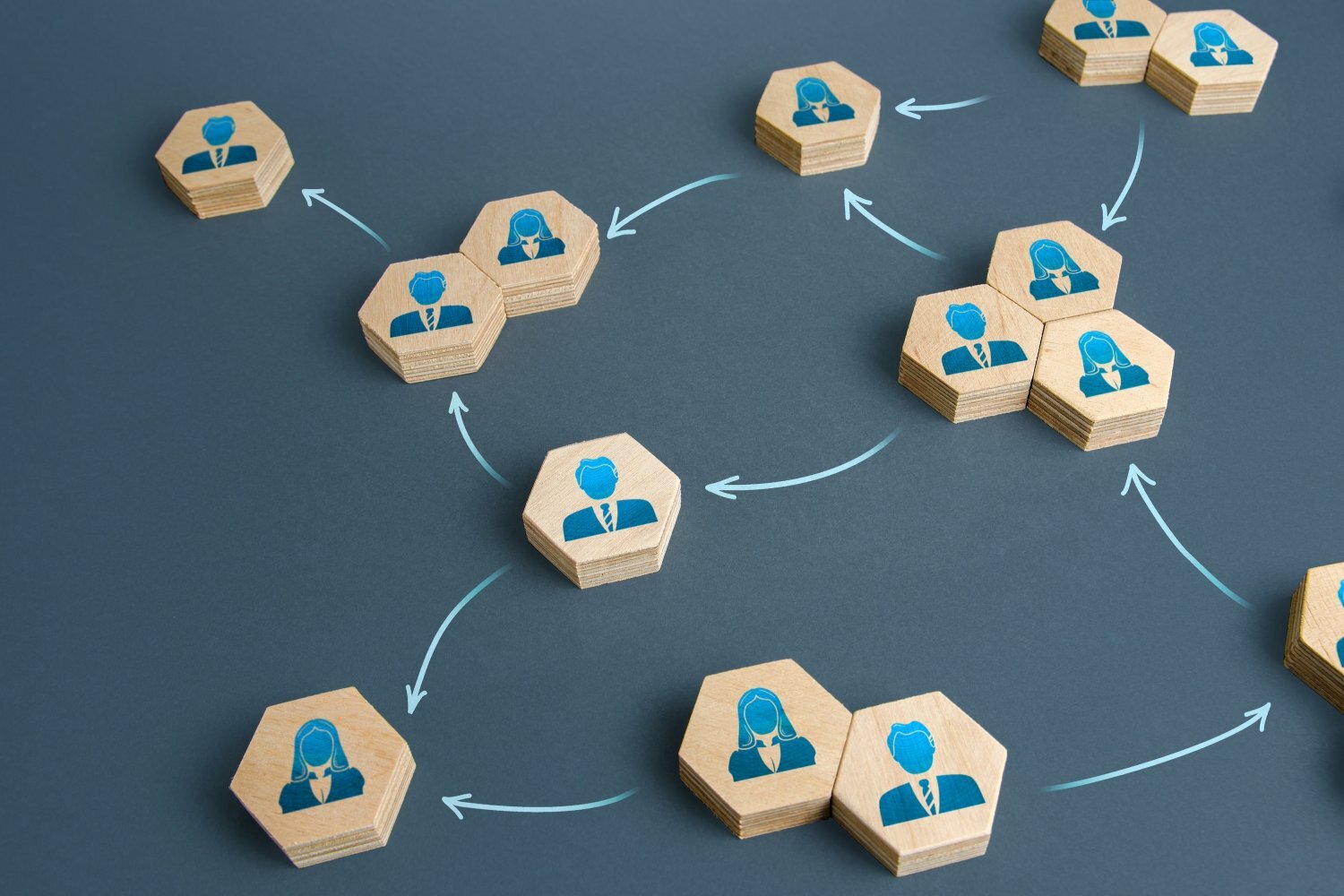
People tend to connect with others who are like them. Alumni from the same alma mater are more likely to collaborate over a research project together, or individuals with the same political beliefs are more likely to join the same political parties, attend rallies, and engage in online discussions. This sociology concept, called homophily, has been observed in many network science studies. But if like-minded individuals cluster in online and offline spaces to reinforce each other's ideas and form synergies, what does that mean for society' Researchers at MIT wanted to investigate homophily further to understand how groups of three or more interact in complex societal settings. Prior research on understanding homophily has studied relationships between pairs of people. For example, when two members of Congress co-sponsor a bill, they are likely to be from the same political party. However, less is known about whether group interactions between three or more people are likely to occur between similar individuals. If three members of Congress co-sponsor a bill together, are all three likely to be members of the same party, or would we expect more bipartisanship' When the researchers tried to extend traditional methods to measure homophily in these larger group interactions, they found the results can be misleading....