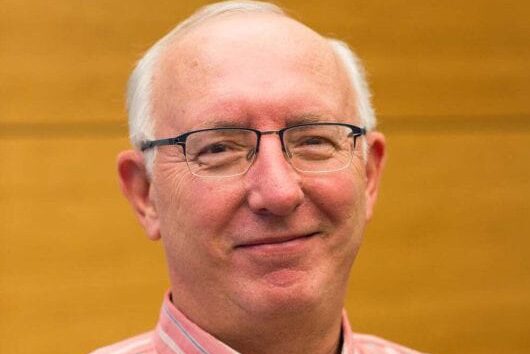
Walter Torous, senior lecturer in the MIT Department of Urban Studies and Planning (DUSP) and the MIT Sloan School of Management, and director of the Master of Science in Real Estate Development Program (MSRED), was recently named executive director of the MIT Center for Real Estate (CRE) ' effective July 1, 2026. In announcing Torous' appointment, School of Architecture and Planning Dean Hashim Sarkis also said that Justin Steil, professor of law and urban planning, will represent CRE as faculty chair of the Academic Curriculum Council. 'Together, Walter and Justin will guide CRE's academic and strategic direction as it continues to strengthen its role within our school and the Institute,' Sarkis said. 'Their appointments reflect the center's distinctive position at the intersection of finance, design, planning, technology, and public policy ' and its long-standing commitment to understanding real estate not only as a market force, but also as a driver of urban transformation and social change.'...
' 2026 Conde Nast. All rights reserved. WIRED may earn a portion of sales from products that are purchased through our site as part of our Affiliate Partnerships with retailers. The material on this site may not be reproduced, distributed, transmitted, cached or otherwise used, except with the prior written permission of Conde Nast. Ad Choices...

Urbanization in the Asia-Pacific region of the world is occurring at an alarmingly rapid pace, with more than 2.2 billion people now living in cities in the region, and an additional 1.2 billion projected to migrate to cities by 2050, according to a February 2026 report from the U.N. Economic and Social Commission for Asia and the Pacific, the Asian Development Bank, and the U.N. Development Program. Such rapid growth places stress on nearly every aspect of urban areas, including housing, drinking water and sewage sources, roads and other transportation modes, and often results in environmental degradation and an increased vulnerability to climate-related disaster. But the situation also presents opportunities for doing things differently by deploying improved urban planning and management approaches, economic development strategies, as well as innovative technologies in real estate development and investment. With a keen awareness of this ongoing urbanization and the pressures it brings, the MIT Center for Real Estate (CRE) within the MIT School of Architecture and Planning established the MIT Asia Real Estate Initiative (AREI) in 2022. The AREI mission is to serve as a platform for collaborative research, education, and industry engagement that will help urban areas across the Asia-Pacific region and the Gulf Corridor adapt to these ongoing challenges and allow their growing populations to thrive....
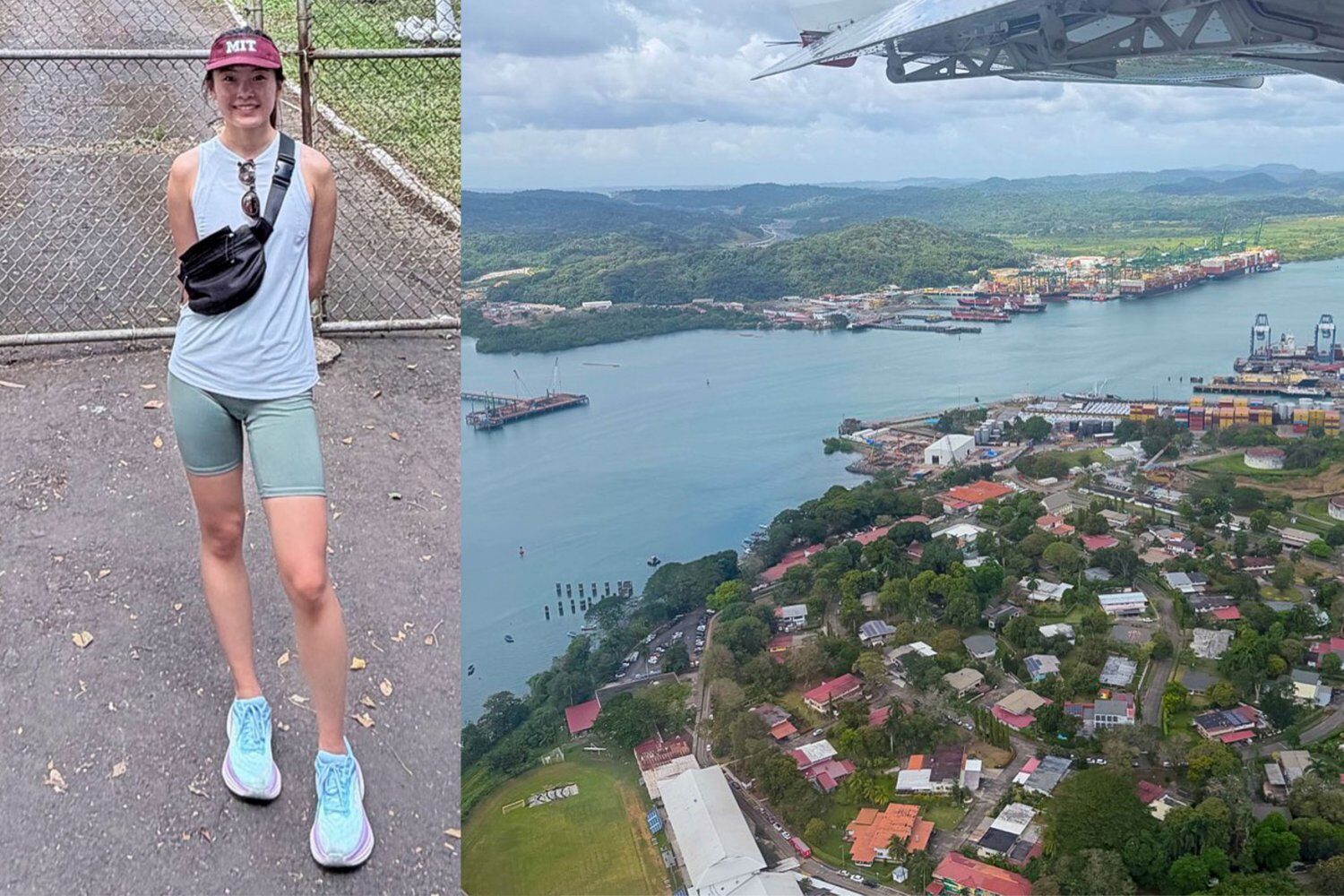
Cherry Tang, a master of science in real estate development student at the MIT Center for Real Estate, recently participated in an experiential learning opportunity in Panama working with Conservatorio, a development firm based in Casco Viejo. What began as a modeling exercise quickly became a deeper exploration of how development, community, and environment intersect, shaped as much by people and culture as by the work itself. The project centered on Santa Catalina, a remote surf town on Panama's Pacific coast. The development comprises approximately 140 residential units across condos, villas, and homes, along with vacant lots, four retail spaces, a surf school with a stadium, and a restaurant with a pool ' all envisioned as the town's first true center. The project is designed as an open, walkable master-planned community that integrates seamlessly with the existing town. Anchored by surfing and diving, it introduces a diverse product mix and a 600-meter linear park, positioning it as the future heart of Santa Catalina and a differentiated alternative to both local developments and traditional resort-style communities....