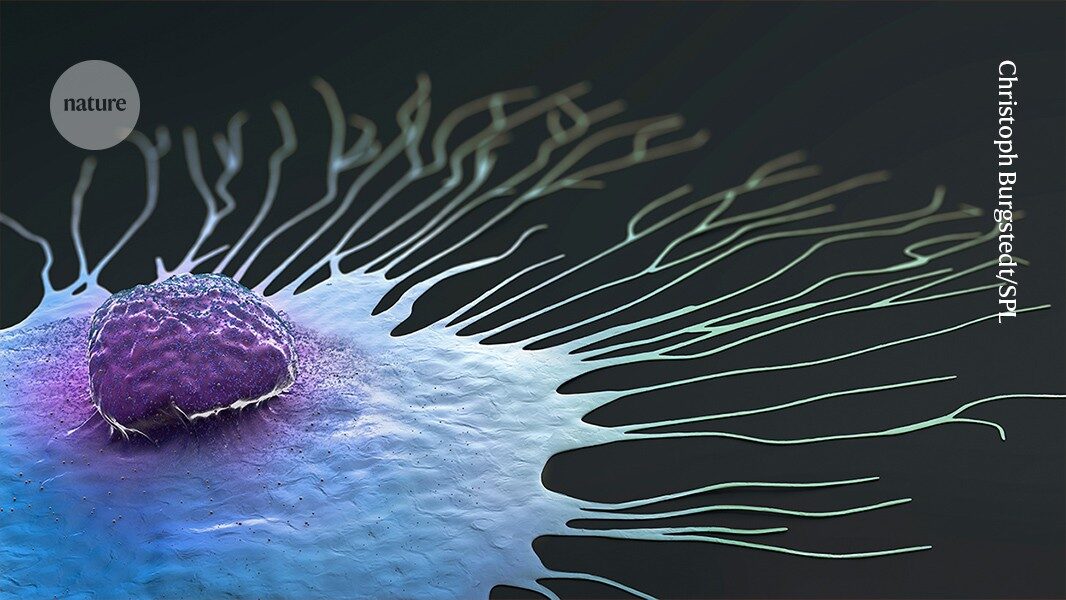
Choosing the most effective treatment for people with triple-negative breast cancer (TNBC) is often challenging because the tumours can behave very differently at the molecular level. Now, researchers have developed an artificial-intelligence-based 'virtual cell model' that can help in choosing the best treatment for this aggressive form of breast cancer ' by predicting how an individual's tumour cells respond to various drugs. TNBC cells lack receptors to hormones oestrogen and progesterone, as well as to a protein that controls cell growth. This makes the condition harder to treat because hormone and targeted therapies cannot target the tumour cells. In experiments using biopsies taken from individuals with TNBC, the new model showed promising results in identifying the same drugs that would prove to be effective when given to people. The authors say this raises the possibility of more personalized care for TNBC, which accounts for 15'20% of breast cancer cases. 'This is the first time that a virtual cell model goes out of the laboratory and is tested in a clinical scenario,' says study co-author Tiannan Guo, a proteomics specialist at Westlake University in Hangzhou, China. Guo adds that this AI model has a 'very focused goal' in drug discovery for TNBC, rather than providing a comprehensive simulation of cellular behaviour....
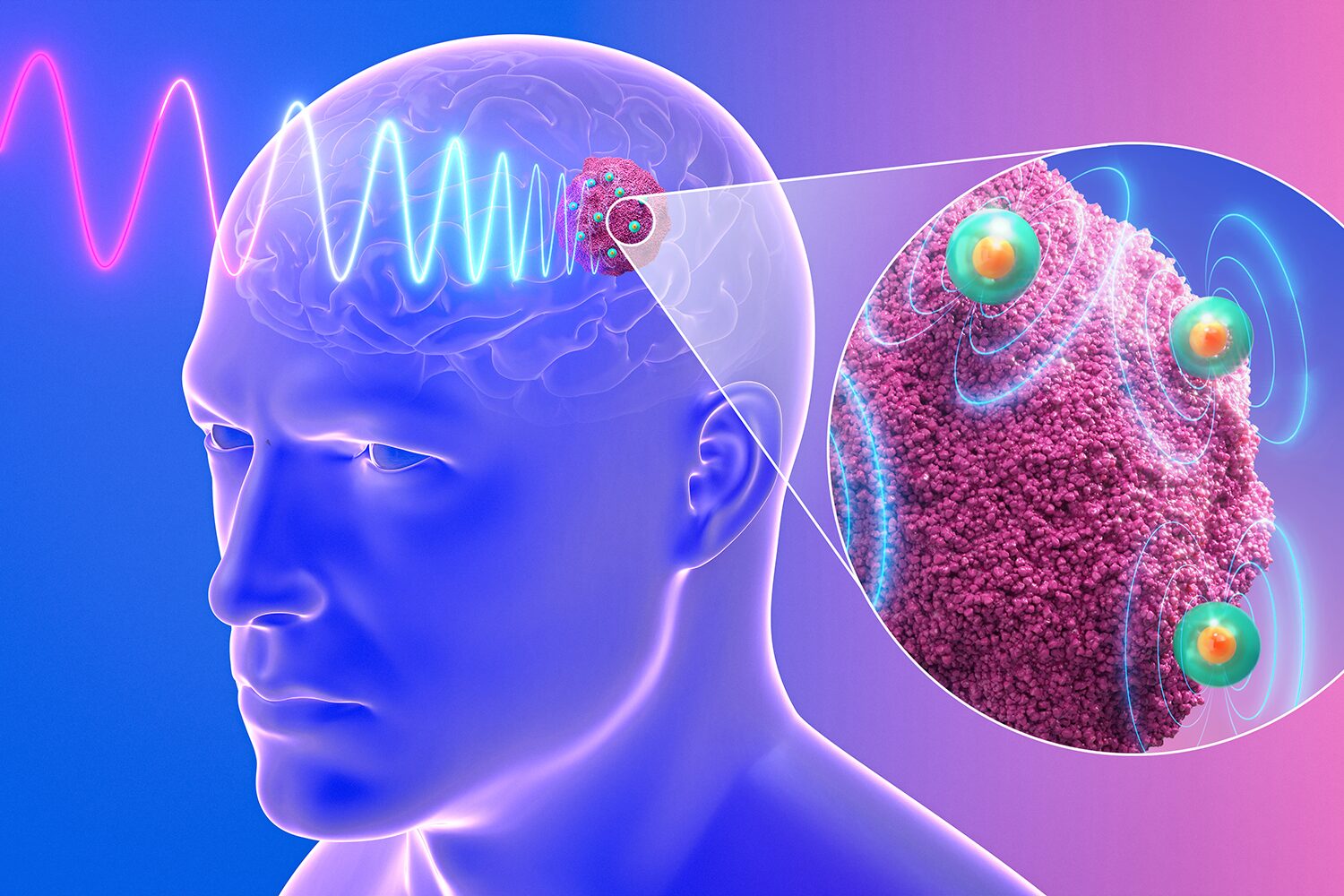
The brain cancer glioblastoma is one of the most aggressive and treatment-resistant cancers known to medicine, carrying a median survival of just 12-15 months, even with the best available care. Now, researchers at the MIT Media Lab have developed injectable nanoantennas, each about one-hundredth the width of human hair, that can be magnetically activated to create localized therapeutic electric fields that target and kill brain cancer cells without damaging healthy brain tissue. 'In laboratory and animal studies, this approach significantly reduced tumor growth and extended survival without detectable side effects, highlighting its potential as a precise and safe brain cancer therapy,' says Deblina Sarkar, associate professor and AT&T Career Development Chair at the MIT Media Lab and head of the Nano-Cybernetic Biotrek group. To test HITMAN against the most clinically realistic version of this disease, the research team worked with tumor tissue obtained from patients diagnosed with aggressive and chemotherapy-resistant glioblastoma at Mayo Clinic. Using cells derived from this tissue in the laboratory, the researchers demonstrated that HITMAN eliminated 52.2 percent of these drug-resistant cancer cells ' more than five times than that achieved by the standard chemotherapy drug temozolomide (TMZ) ' while leaving healthy neurons and brain-supporting astrocytes unharmed....
Studies in mice suggest that psilocybin, one of the psychoactive compounds in magic mushrooms, could prevent the chemotherapy side effect called neuropathy.Credit: Victor de Schwanberg/Science Photo Library For many cancer survivors, the triumph of remission is undercut by a debilitating side effect: hands and feet that feel as though they are constantly burning, prickling with needles or encased in ice. Now, researchers studying this condition, called neuropathy, in mice have identified an unexpected defence against it: psilocybin, the psychoactive compound found in magic mushrooms. Just two doses of psilocybin administered before chemotherapy completely prevented mice from developing neuropathy. The condition affects as many as 60% of people treated with platinum-based cancer drugs, which are widely used to treat tumours of the ovary and lung, for example. The results, published today in Science, offer evidence that psilocybin could help to protect nerve fibres before chemotherapy causes lasting injury1 ' which current approaches can't effectively prevent or treat....

Each year, farmers around the world spend $80 billion on pesticides for their crops. Those pesticides impact not only harmful insects but also bees and beneficial bacteria in the soil. They can also run off into waterways and harm the environment. And, they are increasingly being linked to human diseases like Parkinson's and cancer. Amid growing awareness of those problems, pesticides made from living microbes are gaining popularity. Unfortunately, such microbial pesticides are often less effective, forcing farmers to choose between potential environmental damage and higher crop yields. Now, Robigo is equipping naturally occurring microbes with more potent pest-fighting capabilities. The company, which was co-founded by Andee Wallace PhD '20, uses technologies more commonly associated with medical applications, like RNA interference and CRISPR, to engineer self-replicating microbes that target plant pathogens more precisely than chemical pesticides and more effectively than other biologically based solutions....


