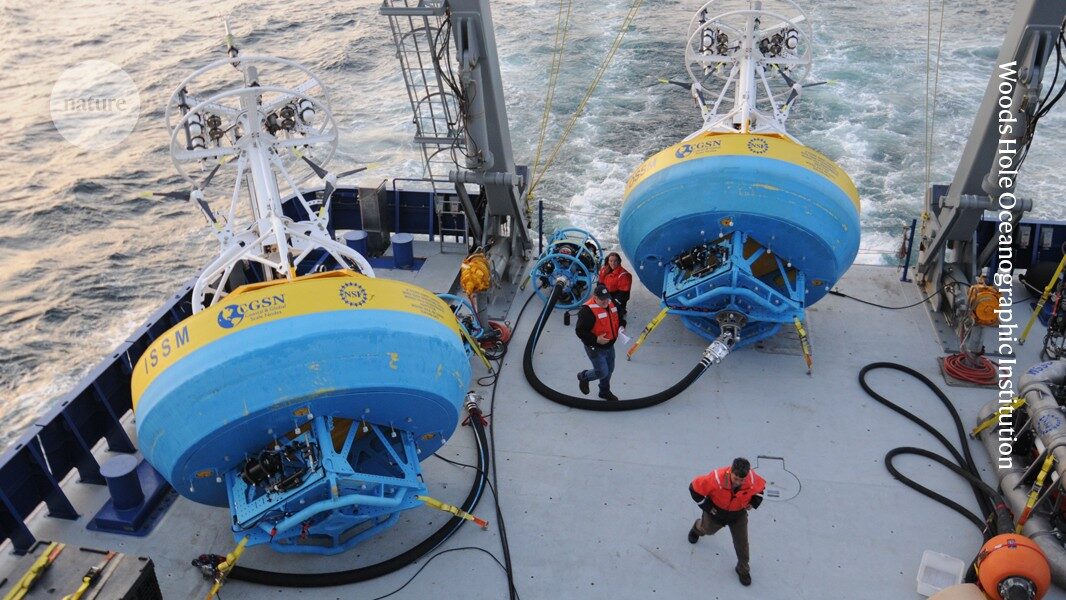
As the RV Marcus G. Langseth sails across the Pacific Ocean this month, researchers are dropping robotic 'floats' into the sea to measure chlorophyll levels and other biogeochemical properties of the water. With a powerful El Nino weather system set to unfold later this year, such observations are crucial for understanding how the ocean will change. But these high-tech floats face an uncertain fate. The devices, which are part of a global flotilla called Argo, were paid for by the US National Science Foundation (NSF). Their funding expires in four months, and NSF officials have so far been silent about future support to keep the devices up and running. The uncertainty hanging over the Argo floats is only one of the worries facing oceanographers. The United States has historically led other nations in peppering the ocean with monitoring instruments and supporting cutting-edge research on the resulting data. But now US support for such studies looks precarious ' as does the future of several monitoring systems that rely on US money....
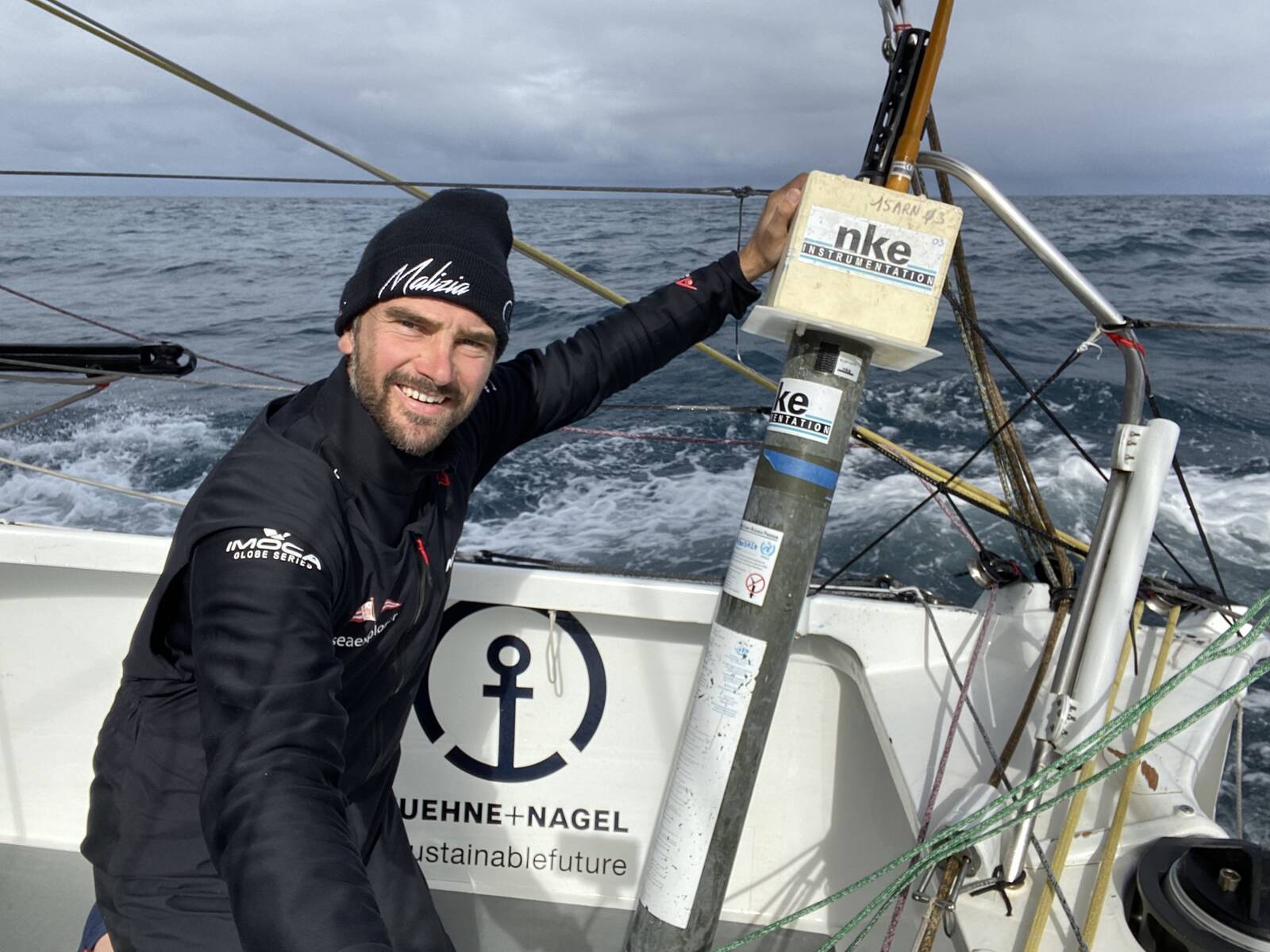
From the start of the Vendee Globe race, 10 skippers will carry scientific instruments onboard to support the Global Ocean Observing System, within the framework of the United Nations Decade of Ocean Science for Sustainable Development (2021-2030).
âAbout 2,000 autonomous instruments (such as profiling floats and drifting buoys) must be deployed every year to sustain the Global Ocean Observing System. Usually, the deployment of ocean observing instruments is done through research oceanographic ships, which are very costly and not able to sail everywhere throughout the ocean regardless of the season. Racing yachts allow us to reach remote and not yet well sampled areas of the ocean, filling critical observational gaps, especially during this challenging pandemic periodâ says Mathieu Belbeoch, OceanOPS Lead.
GOOS is a collaborative system of continuous in situ and satellite ocean observations, implemented by numerous programmes and organisations. These observations provide key oceanographic and meteorological data for several applications, such as climate studies, forecasts and early warnings, and marine ecosystems health monitoring....