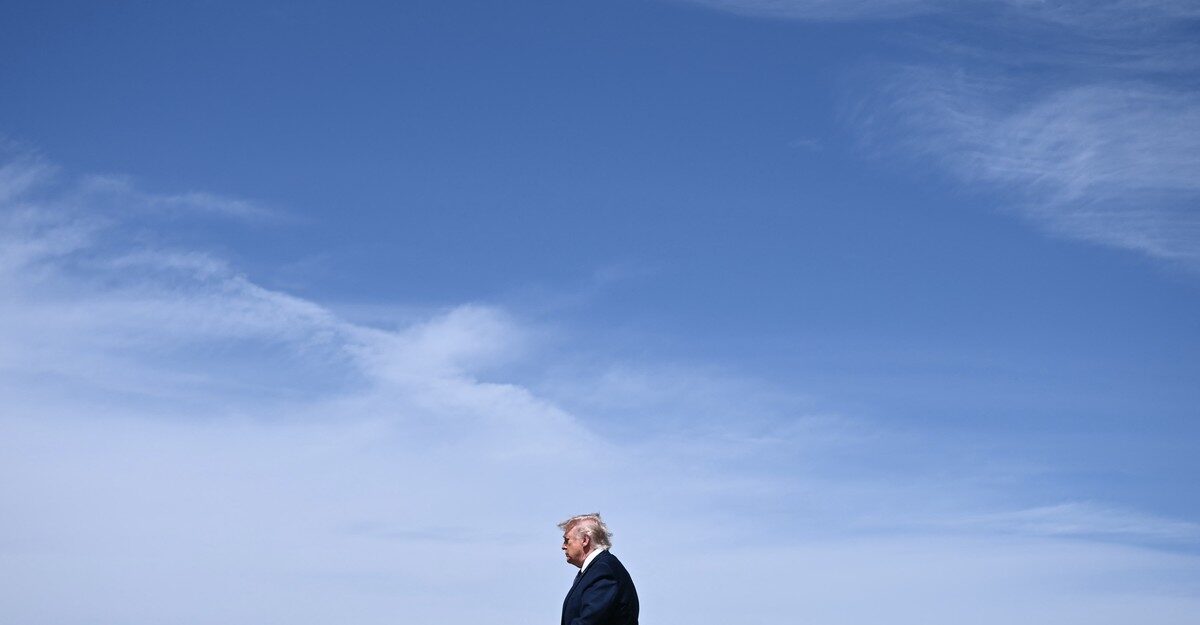
Repeatedly over the past nine years, Trump has gotten rolled by counterparts during high-stakes exchanges. North Korea, Russia, Russia again, China, and China again have gotten the better of the United States. Trump has had to slink back to Washington without much to show except empty talk about friendship with whatever dictator has just run circles around him. He's had some success in brokering agreements when acting as a third party (though not nearly as much as he pretends) but much less luck when his own government is a participant. The one glaring exception came when he was effectively negotiating with himself, getting his own administration to set up a $1.8 billion slush fund for his political allies. The newest example of Trump's artlessness is Iran. Let's review the past few days: Trump posted on Saturday that he was close to striking a deal with Tehran that would end the war he started earlier this year and reopen the Strait of Hormuz. As the outlines of the agreement began to emerge, it looked both incomplete and bad: Trump had postponed discussing the hardest issues'matters, such as nuclear weapons, that led him to go to war'in exchange for opening the strait, which was open before Trump started the war. Hawkish Trump allies promptly criticized the deal, and despite histrionic pushback from Trump aides, the president had begun backing off claims of an imminent agreement by Sunday. 'If I make a deal with Iran, it will be a good and proper one, not like the one made by Obama,' he posted. 'Our deal is the exact opposite, but nobody has seen it, or knows what it is. It isn't even fully negotiated yet.' Yesterday, in a sign that a deal might not be near at all, the U.S. military conducted what it called 'self-defense strikes' against Iranian targets'directly contradicting the administration's previous claims about having wiped out any threats to the United States in Iran....
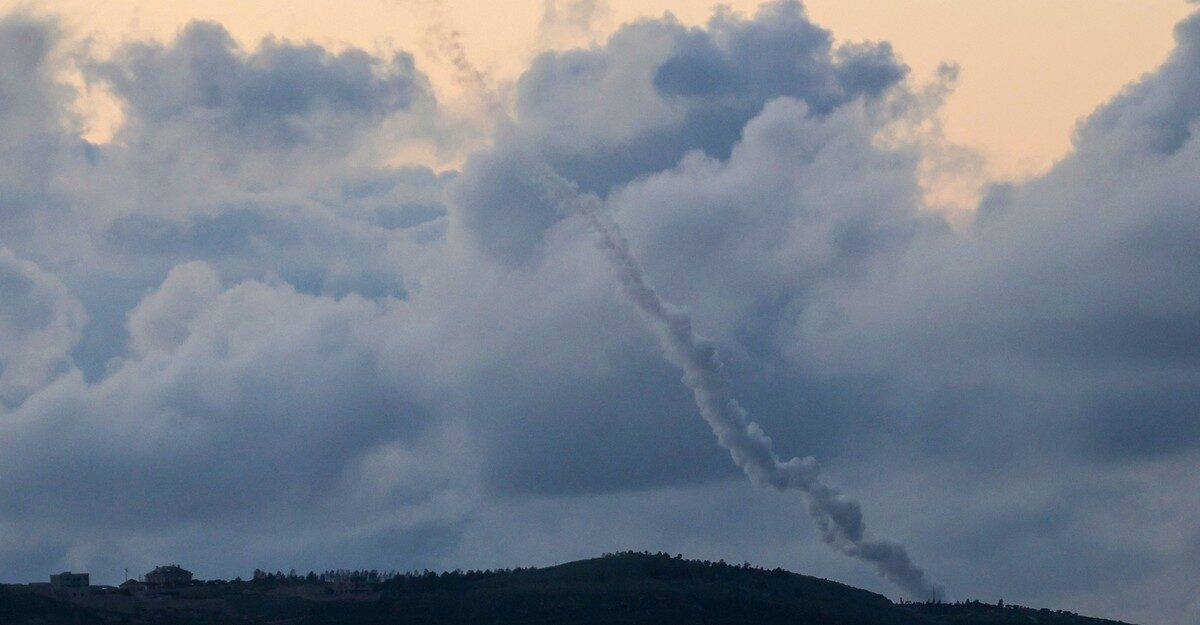
This morning, as the United States and Israel's war with Iran neared the end of its sixth week, Vice President Vance headed for Pakistan, where he plans to sit down with Iranian officials. With a precarious two-week cease-fire in place since Tuesday, both parties are at least potentially open to a resolution'but we shouldn't expect any immediate results. That temporary cease-fire is already fracturing: On Wednesday, Israel conducted mass strikes on Lebanon, killing more than 300 people and wounding more than 1,000. Iran says that Lebanon was part of the deal; the U.S. and Israel disagree. In Pakistan, Vance will likely push for an outright end to Iran's nuclear program. The Iranians want to end the strikes, to affirm their right to nuclear enrichment, to continue asserting control over the all-important Strait of Hormuz, and to collect reparations for war damages, among other concessions. Today, one Iranian official suggested that the government would delay talks until two new requests are met: an end to Israel's assault on Lebanon, and the release of unspecified 'blocked assets.' 'If the Iranians are willing to negotiate in good faith, we're certainly willing to extend the open hand,' Vance told reporters as he prepared to board Air Force Two. 'If they're gonna try to play us, then they're gonna find that the negotiating team is not that receptive.'...
The lender group has opted not to extend further payment-in-kind flexibility, shifting Medallia to full cash interest payments and increasing annual debt servicing costs by approximately $100m to nearly $300m. Subscribe to our Newsletter to increase your edge. Don't worry about the news anymore, through our newsletter you'll receive weekly access to what is happening. Join 120,000 other PE professionals today....
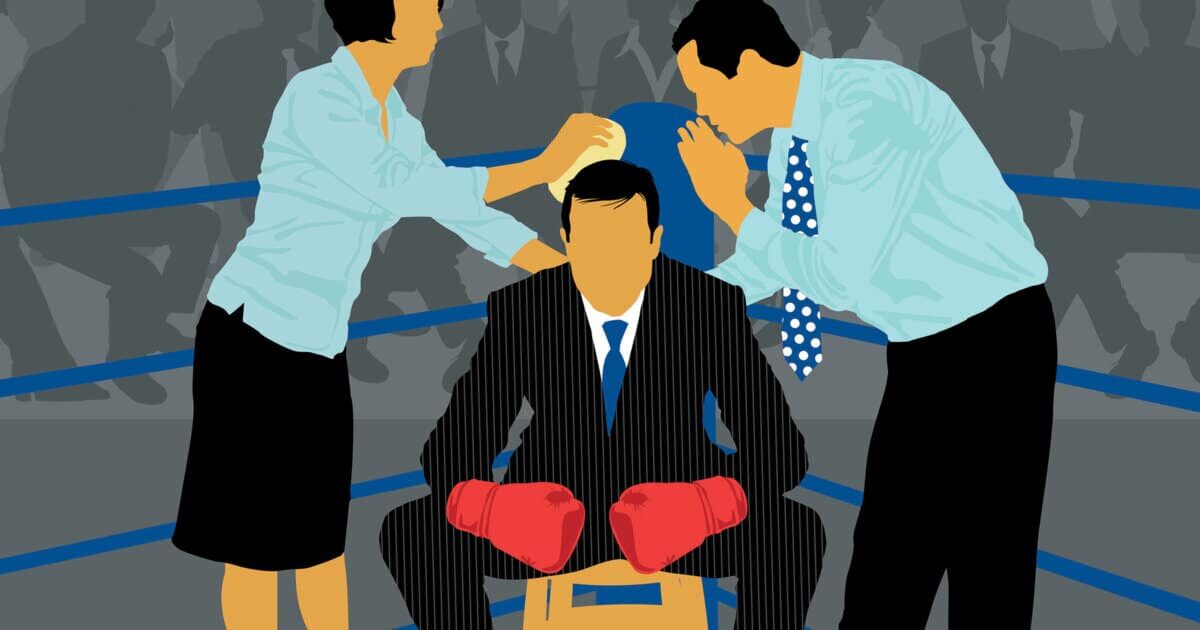
When underconfident negotiators engage in behaviors like making hesitant requests, settling too quickly, or missing advantageous trade-offs, they limit their own success ' and their potential to improve. Leaders can help team members develop advanced skills for the negotiating table and, in the process, grow their confidence. Follow three approaches for improving negotiation skills, and learn the five questions everyone should be able to answer before launching a negotiation. Anxiety and low confidence are two of the most common feelings people experience during negotiations ' just the thought of negotiating can send many people spinning. These reactions can cause people to preemptively throw in the towel and engage in behaviors that end up being self-sabotaging, including making lower first offers, responding too quickly to offers, and settling for too little, research shows. A lack of negotiation skills means missed chances and missteps, both for the individual and their company. If you ask a random sample of people what makes someone a successful negotiator, many of them will add what are typically seen as traditional 'male' traits to the list: strength, dominance, assertiveness, and rationality. Feeling like you lack those traits can lead to self-doubt. But research shows that when negotiators appreciate communication skills, listening skills, and insight as strong and effective tools, it raises their level of performance. This understanding can help unlock an underconfident negotiator's true ability to be successful....