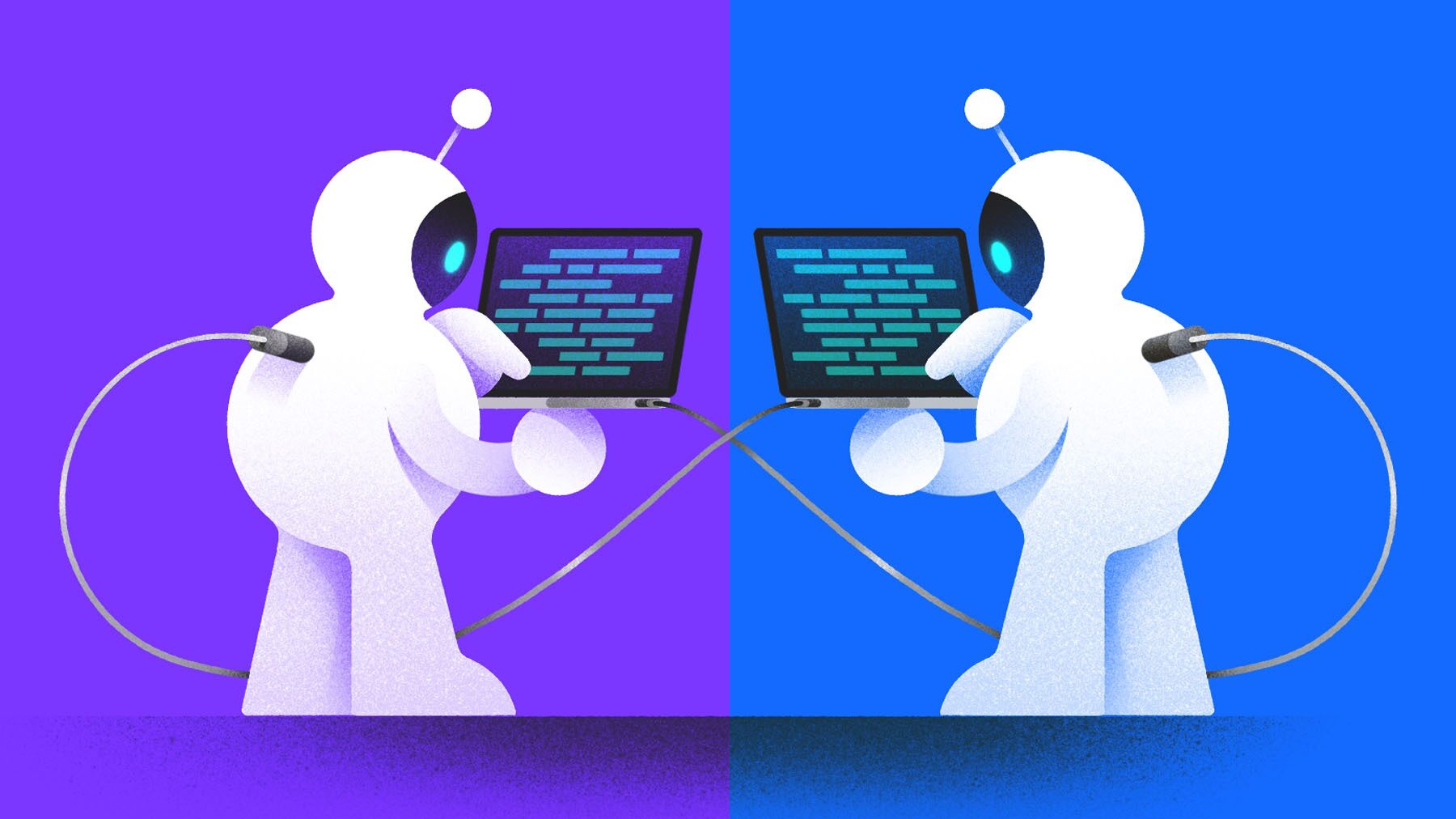
If you only have six months of experience in an industry, you usually aren't equipped to poach your employer's clients and start a competing business. Of course, you may believe otherwise if you plan to use your employer's proprietary information to train an AI agent to do the heavy lifting for you. That is exactly what the defendant attempted in a recent federal trade secrets case I litigated on behalf of a client in the U.S. District Court for the Northern District of California. In that case, the defendant, a former senior employee at the marketing agency, didn't just copy client lists to solicit accounts. Instead, he used stolen trade secrets as training inputs to build, essentially, an AI version of his old boss, attempting a shortcut to create a competing business without spending years developing the skills and expertise typically needed to provide such services. AI is creating new ways to misappropriate trade secrets, well beyond the classic theft story of an employee downloading files onto a thumb drive. This case highlights a new reality for founders, exposing unprecedented risks related to AI and trade secrets, employee use of personal devices, and the heightened need for companies to protect themselves in the age of agentic AI....
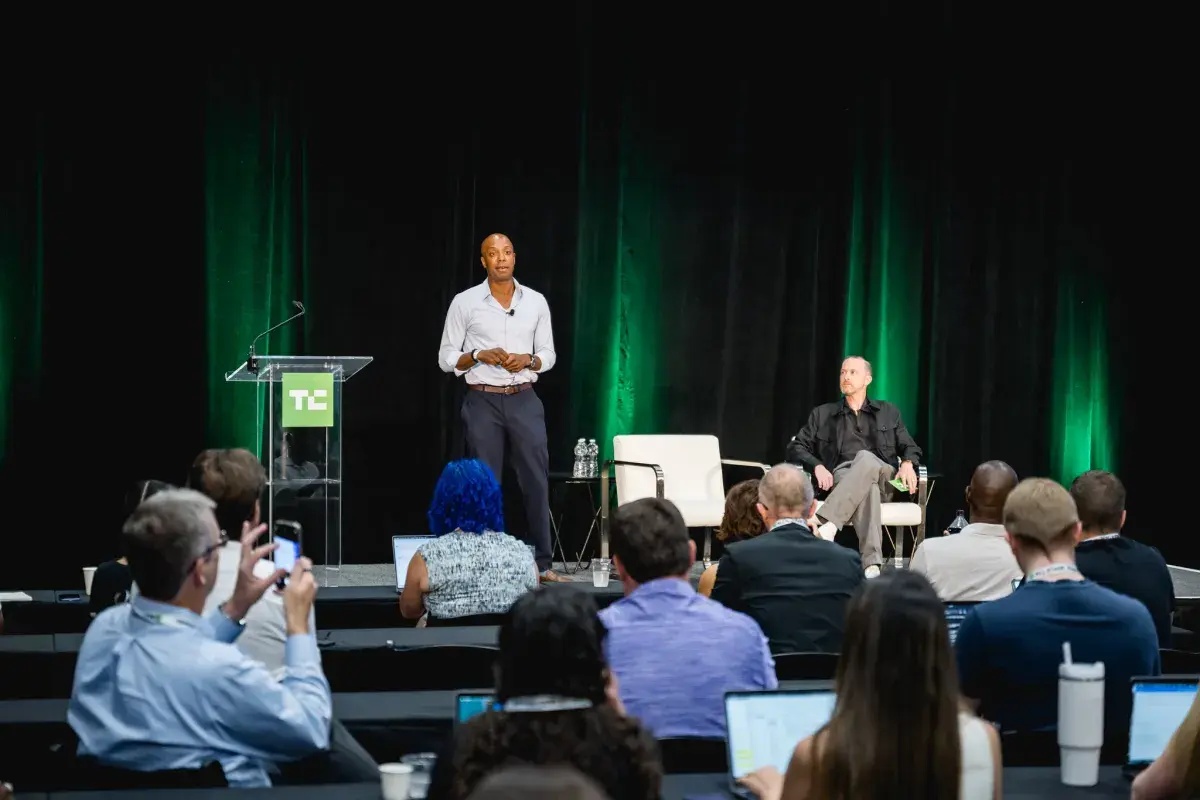
TechCrunch Founder Summit is a full-day gathering in Boston on November 4 where founders across all stages connect with top VCs and experienced entrepreneurs to gain tactical insights on building and scaling their companies. It's the latest in our long line of founder-centric events, which are smaller and more hands-on than Disrupt. For the founder looking to really get in the weeds during a one-day crash course, Founder Summit is the ideal place to get a head start on your 2027 plans for everything from hiring, establishing product market fit, finding investors, improving your leadership skills, and more. Before you dig in on the event details, you can get info on all of our tickets, which are available for a $100 discount for investors and founders, right here. Even if you're a student and an aspiring founder, or an investor looking to meet the next wave of East Coast innovators, we have an option for you. All founders end up wrestling with the extensive, complicated mechanics of building a company from the ground up. There's fundraising, hiring, legal, marketing, PR, and leadership, as well as the investors needing the means to vet, invest in, and develop founders as they build out their skills....

Meta's AI companion, Muse, is now one of only a dozen mobile apps to have reached 10 million U.S. downloads in its first 40 days on the market. According to new data from market intelligence provider Sensor Tower, Muse has seen 10.9 million downloads since its September debut, 10.2 million of which were in the United States. Other apps that saw this kind of scale were largely mobile games, Lee noted, like Fortnite, PUBG Mobile, Pokemon GO, and others. Besides Threads, Disney+ was the only other non-game app to make it into the exclusive club. Meta's success is tied to the company's ability to scale its new apps by marketing them across its other services, which it has done with both Threads and Muse. Threads was built on top of Instagram's social graph, and its content has been integrated into both Facebook and Instagram. However, Muse isn't only benefiting from Meta's ability to market the AI agent across its family of apps, which today includes 3.6 billion daily active users; the company is also heavily investing in advertising to drive new users to Muse....
AI can make marketing faster and more efficient, but organizations often see costs and complexity rise before they see those gains. As companies move toward agentic marketing'where people and AI agents collaborate across workflows'they must first codify the judgment, rules, and expertise that experienced marketers apply intuitively. This creates a three-stage transformation: codifying individual workstreams, connecting skills and workflows so capabilities can be reused, and ultimately compounding returns as information flows across the marketing system. Each stage brings changes to economics, talent, and organizational design, with the payoff coming when marketing can scale demand without adding headcount, outside spending, or coordination in proportion to every new launch, segment, channel, or market....