' 2026 Conde Nast. All rights reserved. WIRED may earn a portion of sales from products that are purchased through our site as part of our Affiliate Partnerships with retailers. The material on this site may not be reproduced, distributed, transmitted, cached or otherwise used, except with the prior written permission of Conde Nast. Ad Choices...
WIRED's Global Editorial Director Katie Drummond spoke to Kevin Roose in late September, a few days after he and Casey Newton'with whom Roose previously cohosted the New York Times' 'Hard Fork' podcast'announced the creation of their new media company Machine Gods Media, alongside a podcast distribution deal with NPR. ' 2026 Conde Nast. All rights reserved. WIRED may earn a portion of sales from products that are purchased through our site as part of our Affiliate Partnerships with retailers. The material on this site may not be reproduced, distributed, transmitted, cached or otherwise used, except with the prior written permission of Conde Nast. Ad Choices...
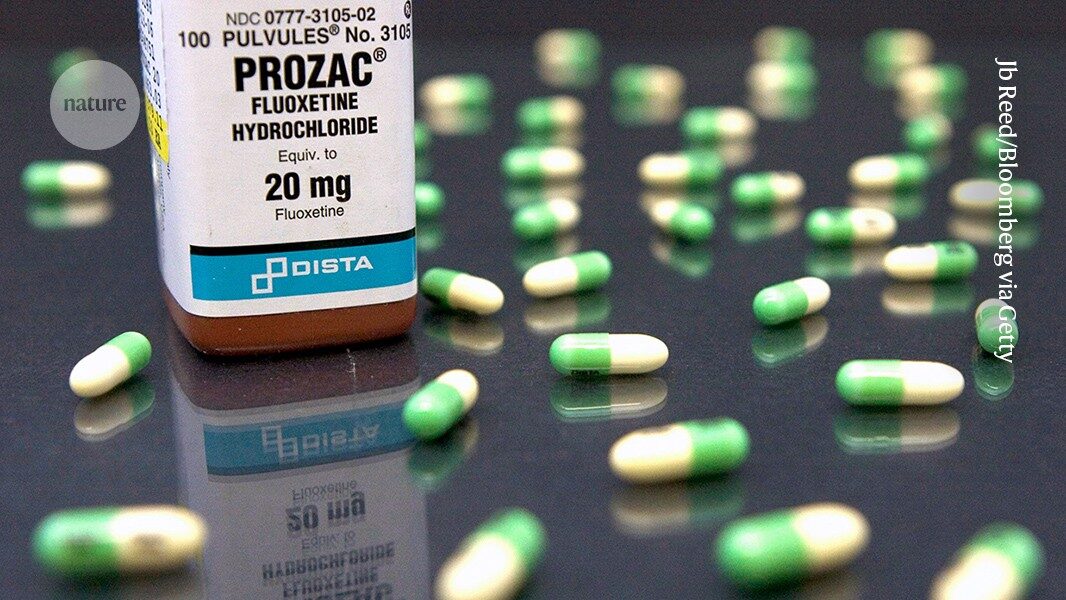
The medication fluoxetine, sold under the brand name Prozac, is recommended as a treatment for depression in children and adolescents in several clinical guidelines.Credit: Jb Reed/Bloomberg via Getty A single clinical trial of 40 children in Iran, published in 2006, might have wrongly swayed medical evidence in favour of using Prozac (fluoxetine) to treat depression in children and adolescents, a group of researchers say. They're now calling that trial's findings into question and suggest that, in their opinion, Prozac's recommendation in paediatric clinical guidelines isn't sufficiently supported by the evidence ' although they stop short of calling for clinicians to stop prescribing Prozac for depression in children. Instead, 'guideline committees should review their recommendations, acknowledge the evidence we have clarified and go through their process of weighing up whether use can still be justified', says Richard Lyus, a consultant child and adolescent psychiatrist in Cambridge, UK, and a co-author of the study, which was published this month in Cochrane Evidence Synthesis and Methods1....
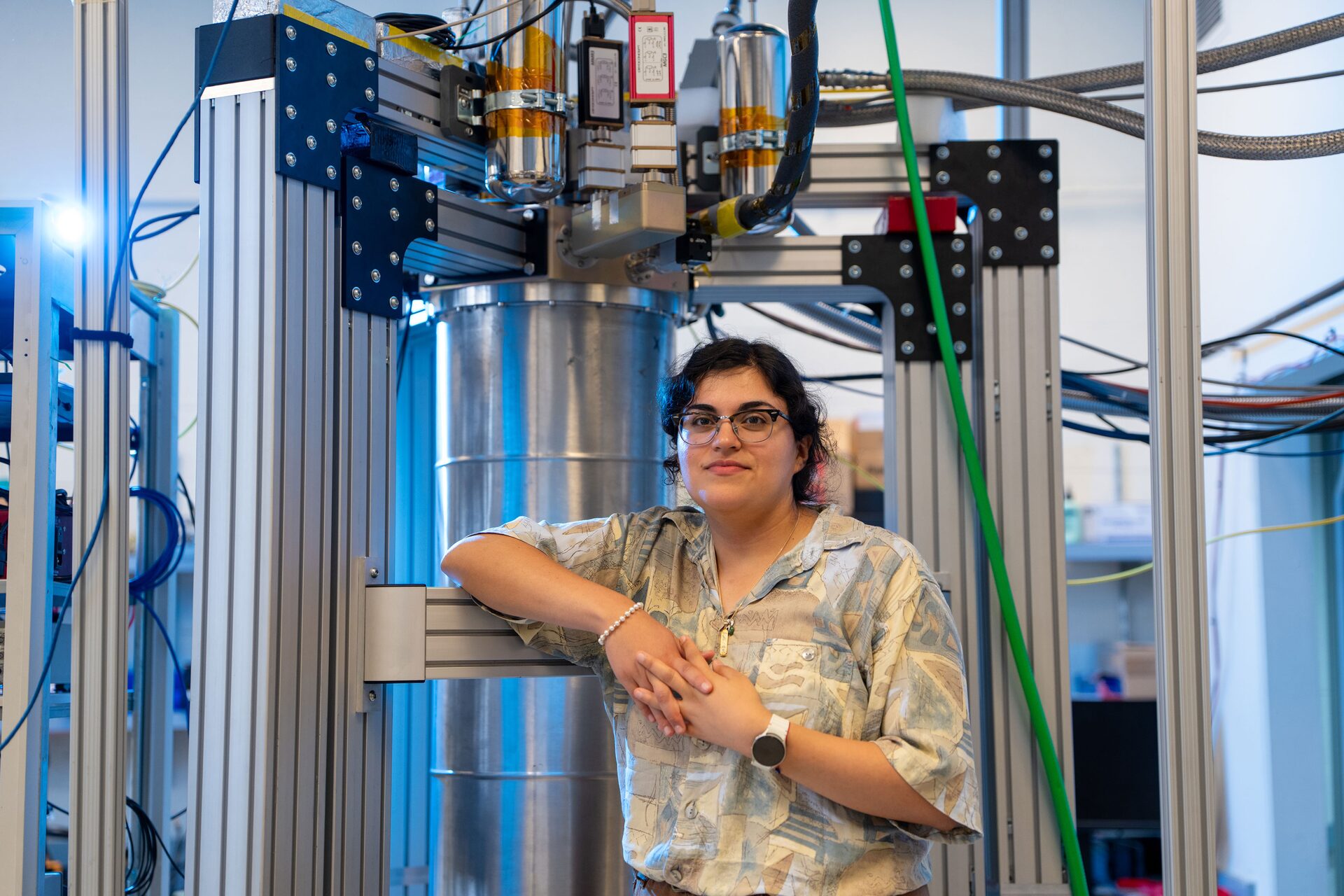
Many people who are successful in STEM fields were lucky to have someone who turned them on to a topic and encouraged their interest. For Faith Reyes, that person was her high school physics teacher, Ms. Bolster. Whereas Reyes had earlier studied math and science without seeing how those subjects could be applied outside the classroom, her teacher helped her connect those dots and experience the excitement of investigating the physical world. With Ms. Bolster's help, Reyes started a physics club where students would gather before school and conduct experiments. Reyes has carried that enthusiasm for physics into not only her research but her role as a personal tutor and teaching assistant at MIT, where she works to foster the same love of the subject in first- and second-year undergraduate students. As an experimental particle physicist and sixth-year PhD student in the Formaggio Group in the Laboratory for Nuclear Science, Reyes studies neutrinos, elementary particles that have vanishingly little mass and rarely interact with other matter. Neutrinos are produced during radioactive decay, including the processes taking place inside nuclear reactors. Because they interact so infrequently, detecting them can be difficult. (We can't feel them, but neutrinos from the sun are streaming through our bodies every minute.) Their unusual behavior makes them valuable to physicists seeking to understand what lies beyond the Standard Model, the framework that describes many of the fundamental particles and forces in nature....