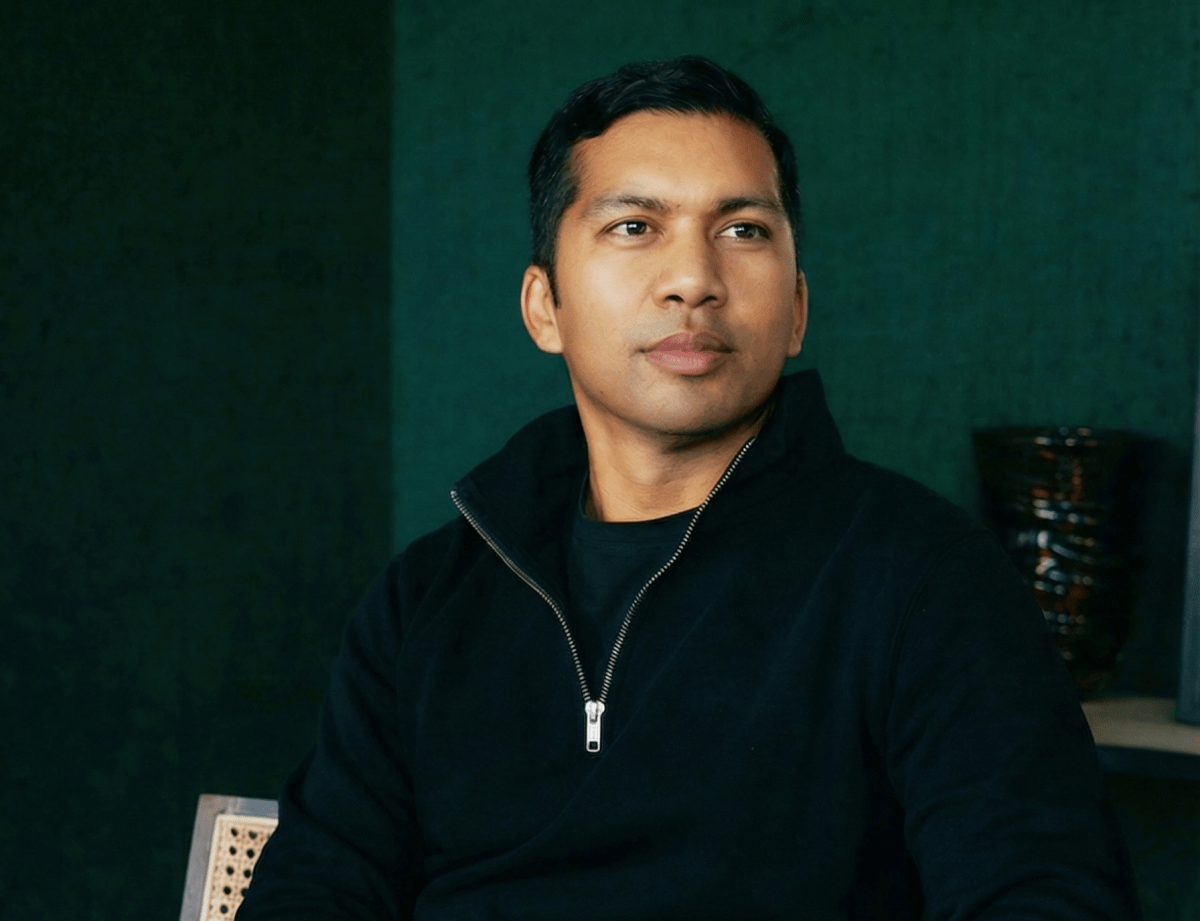
After helping lead the lawsuit that bankrupted media firm Gawker, Aron D'Souza says he saw something broken in the American media system: People who felt harmed by coverage had little recourse to fight back. His solution is software. D'Souza says his latest startup, Objection, aims to use AI to adjudicate the truth of journalism. And for the price of $2,000, anyone can pay to challenge a story, triggering a public investigation into its claims. (D'Souza is also the founder of the Enhanced Games, an Olympics-style competition that allows performance-enhancing drugs and is set to debut in Las Vegas next month.) Thiel, who funded the Gawker lawsuit partly in defense of the individual right to privacy, has long been critical of the media. D'Souza says his goal is to restore trust in the Fourth Estate, which he argues has collapsed over decades. Critics, including media lawyers, warn Objection could make it harder to publish the kind of reporting that holds powerful institutions to account, particularly if that reporting relies on confidential sources....
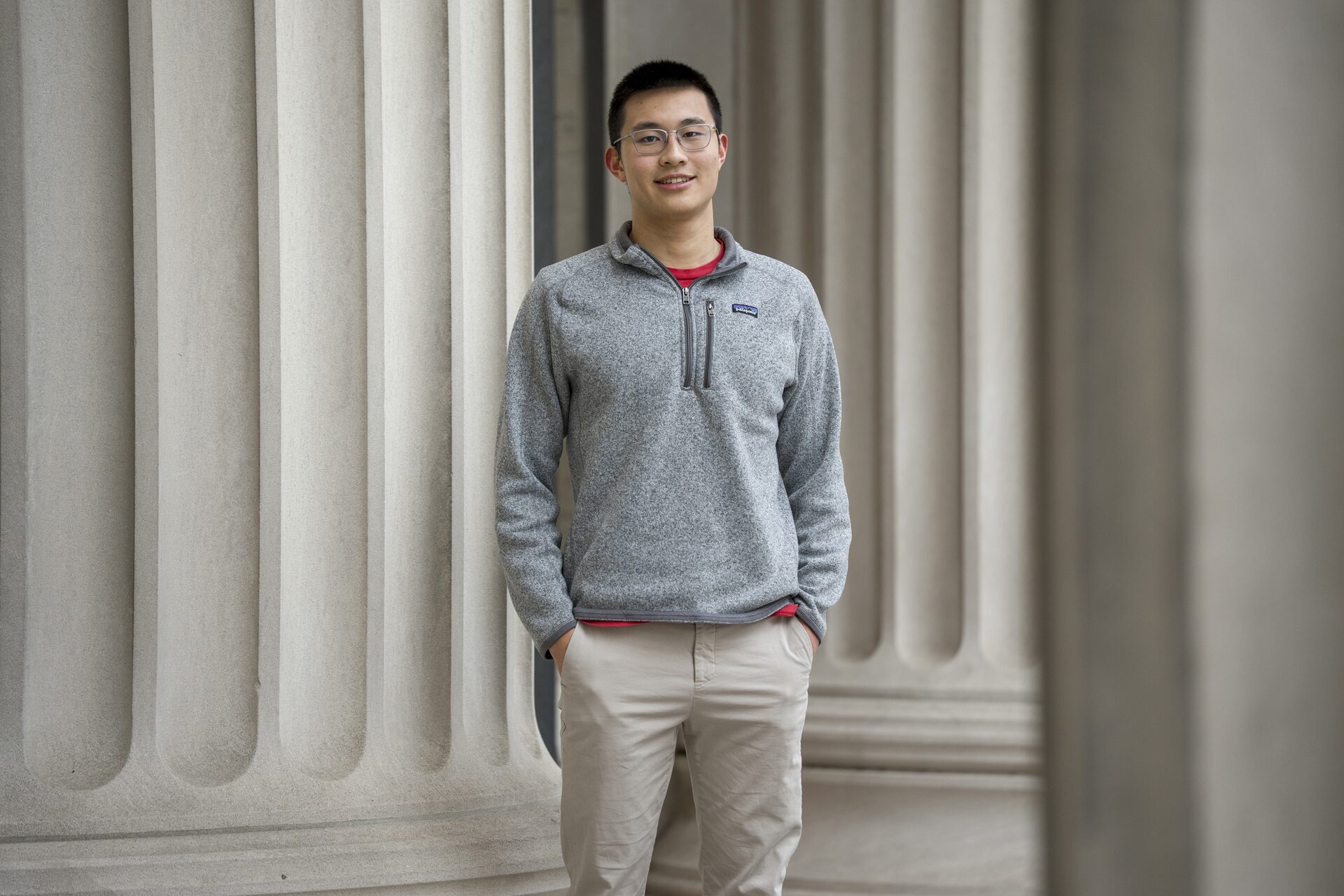
Alex Tang's dream of becoming a physician started in grade school when he read Lisa Sanders' 'Diagnosis' column in The New York Times Magazine. Although he often encountered unfamiliar medical terms, Tang was captivated by the magic of medicine, as Sanders described how physicians turned puzzling sets of symptoms into concrete diagnoses and treatment plans for patients. A decade later, Tang is one step closer to achieving his dream. The MIT senior has challenged himself academically, dual-majoring in chemistry and biology and minoring in biomedical engineering. 'All of the courses have encouraged me to think about problems through different lenses,' he says. Tang has also challenged himself as the editor-in-chief of MIT's student newspaper, The Tech, and as a competitive triathlete. In the fall, he will begin medical school, where he hopes to develop clinical skills and continue honing his scientific abilities. Ultimately, he aspires to pursue a career as a physician-scientist, focusing on how cancers respond to and resist treatment. He wants to help convert those insights into novel therapies that can be tailored to individual cancer patients....

This is a dangerous season for journalism. Legendary newspapers are being gutted by careless owners, foreign correspondents fired while still in war zones, local papers shut down entirely. Into the tumult come two new books that focus on some of the most pathbreaking journalists of the 1930s and '40s. These reporters, all women, broke social norms to chronicle the seismic years they were living through. When read together, Mark Braude's The Typewriter and the Guillotine and Julia Cooke's Starry and Restless prompt an obvious question: Why women' In other words, what is the value of looking at the history of journalism through this gendered prism' For starters: Women were handed nothing. In many cases, when they were interested in doing serious, international stories'say, reporting on a war'they had to tell editors that they happened to be going anyway, Cooke writes, and ask: Should they send some articles' These women's lack of access led to a resourcefulness that animated their subjects as well as their style. They also avoided the insularity of the boys' club from which they were excluded, an inner circle whose chumminess helped breed dangerous misinformation. From 1917 to 1920, for instance, The New York Times proclaimed the imminent collapse of Communism in the newly formed Soviet Union more than 90 times. 'Over drinks as often as in briefing rooms, reporters (mostly men) had taken other men's word for it,' Cooke writes in Starry and Restless....
Online influencers, through their postings on Instagram, Threads, TikTok and elsewhere, have created an exuberant universe of news and commentary that often outruns mainstream media in reach and even impact. They work the same waterfront as journalism and public relations, but their relationship with those mainstay practices built around fact and advocacy is an uneasy one. For the past month, social media has been ablaze with postings about a provocative story alleging improper political influence among left-leaning online commentators. Headlined 'A Dark Money Group is Secretly Funding High-Profile Democratic Influencers,' it ran in Wired, the San Francisco-based magazine that specializes in tech, and was written by Taylor Lorenz, a high-profile reporter who has built a stormy career of tech coverage for outlets including The Washington Post, The New York Times and The Atlantic. The 3,600-word article focused on Chorus, described as a secretive arm of the Sixteen Thirty Fund, whose wide-ranging support for progressive causes totals more than US$100 million a year. Starting in spring 2025, Lorenz reported, Chorus quietly recruited and supported a coterie of liberal political influencers, with monthly stipends of anywhere from $250 to $8,000....