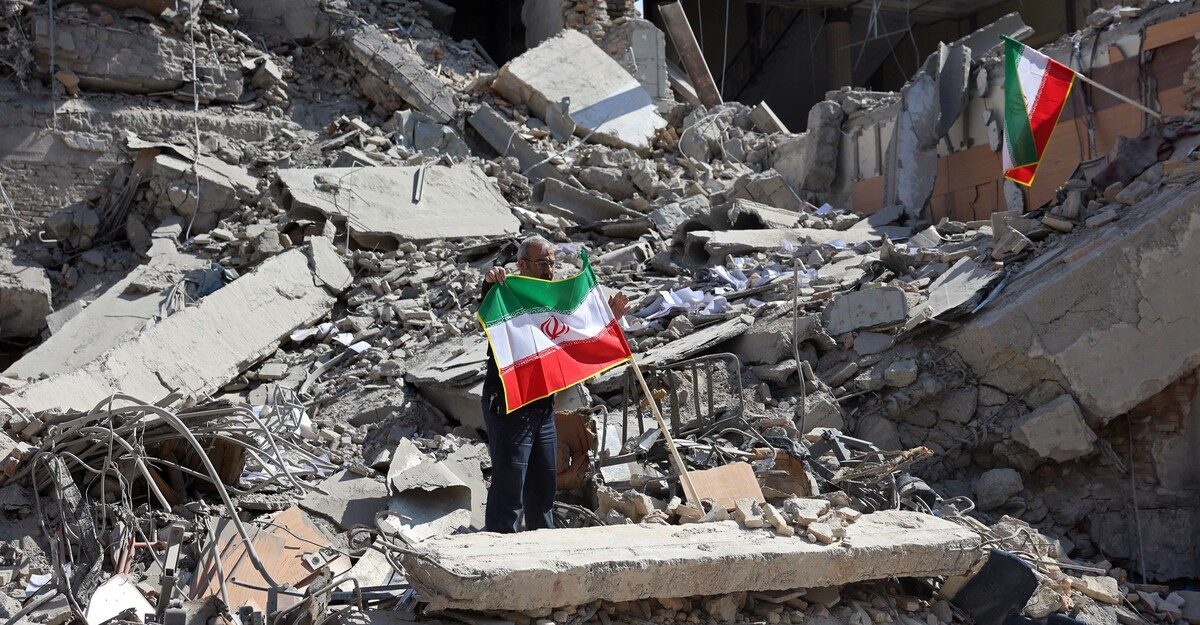
When Western countries engage in conflict with other parts of the world, they often indulge in a kind of strategic orientalism. They attribute to the enemy extraordinary degrees of perseverance, fanaticism, cunning, and farsightedness. The war with Iran has proved no exception: As soon as the missiles began to fly, the familiar tropes returned. The regime possesses strategic patience, akin to the years of effort required to manufacture a Persian carpet; it is animated by indomitable religious zeal; it has mastered the art of winning by losing; and, of course, it thinks half a dozen moves ahead, as you might expect from the land that created the modern game of chess. This gives the leaders of the Islamic Republic of Iran way too much credit. The past half century reveals a record not of strategic brilliance, but of consistent folly, as the regime has waged wars badly'failing to achieve its objectives, creating new enemies, and inflicting more damage on itself than on others. Within a year of the revolution that brought Ayatollah Ruhollah Khomeini to power, Iran was attacked by Iraq: A bloody eight-year war ensued. The war itself was not Iran's choice. But the regime still had its choice of tactics, and some of those were awful. It chose to launch human-wave attacks'some conducted by young teenagers'that withered under Iraqi artillery barrages and poison gas. The waste was shocking....
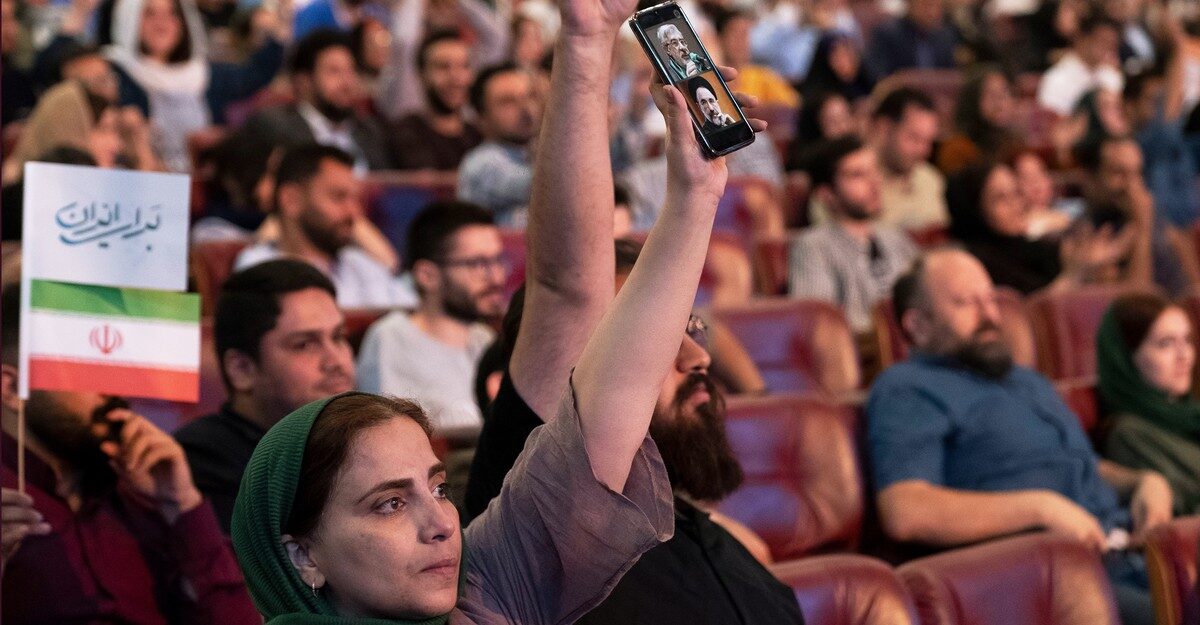
Killing thousands of protesters last month was apparently not enough for the Islamic Republic, which followed up by arresting prominent internal critics, too. The Iranian regime wouldn't have gone after these figures if it didn't fear them'perhaps even as much as it fears the royalist movement that has surged around former Crown Prince Reza Pahlavi. Its sensitivity about both groups is a reminder that uniting them remains the Iranian opposition's best move, if only activists would take it. On January 31, the domestic oppositionists Abdollah Momeni, Mehdi Mahmoudian, and Vida Rabbani were swept up and sent to prisons in northern Iran, far from their Tehran residences. They were released on bail on February 17. Mahmoudian's case attracted international attention because he is the Oscar-nominated screenwriter of Jafar Panahi's 2025 film, It Was Just an Accident. All three figures were once associated with the regime's internal movement for incremental reform; all three long ago abandoned that stance to advocate the wholesale transformation of the system instead....
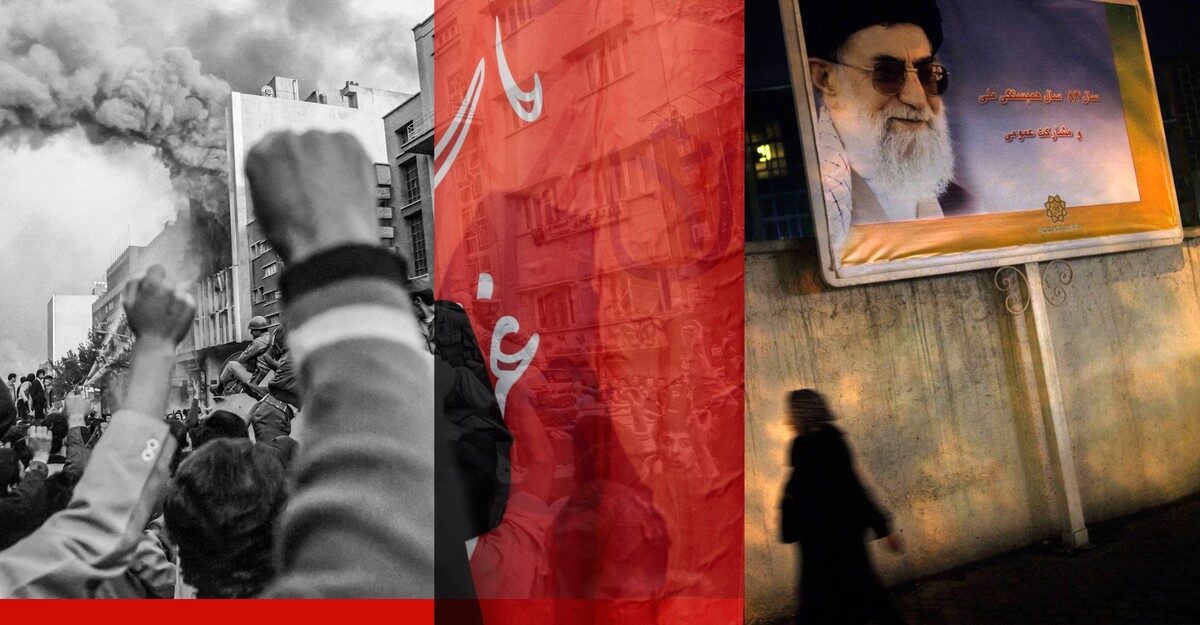
Iran's 86-year-old supreme leader, who believes that he represents God's will on Earth, ordered what now appears to be one of the deadliest two-day mass slaughters in modern history. According to estimates provided by two anonymous senior officials in the country's ministry of health, as many as 30,000 citizens may have been killed during this 48-hour rampage on January 8 and 9. If these estimates prove correct, Ali Khamenei's January 2026 massacre'the climax of a decades-long reign of repression'will rank among modern history's deadliest single episodes of state violence. Since the rise of the modern state in the 17th century, political legitimacy has come to rest on a social contract, in which the government provides security and sustenance in exchange for the consent of the governed. The Islamic Republic's relationship with Iranians does not resemble a social contract, but a predatory lease signed in 1979 that has long since expired. You, the tenant, will live inside the religious fever dream of a man, Ayatollah Ruhollah Khomeini, who viewed the state not as a vessel for national advancement, but as a weapon for personal retribution, and whose copious writings offered detailed pronouncements about the religious penalties for fornicating with animals, yet no insights on how to run a modern economy. 'Economics,' he once said, 'is for donkeys.'...
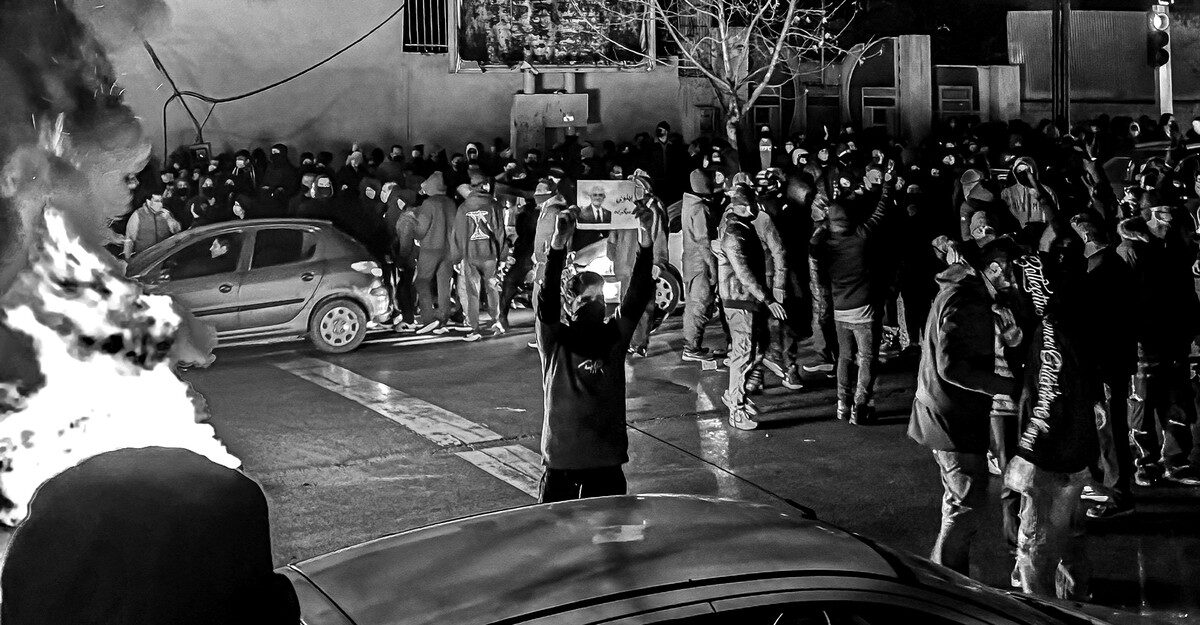
Under the cover of a total internet shutdown that has now lasted more than 100 hours, Iran's security forces have unleashed bone-chilling brutality on protesters, killing at least 2,000 people, according to Iranian officials. Rather than hiding its crimes, the regime has broadcast footage from a morgue on state television. Corpses overflowed the facility, where relatives searched for their loved ones. The news anchor casually declared that the bodies were mostly those of 'ordinary people.' Although Iranians have demonstrated in huge numbers again and again'in 2009'10, 2017'18, 2019'20, and 2022'23'the protest movement has repeatedly failed to produce a well-organized leadership that poses a clear alternative to the regime. If this time is going to be different, the opposition has to fix that problem. In this wave of protests, for the first time, thousands of Iranians chanted slogans in support of an opposition leader abroad seeking to dismantle the regime. Reza Pahlavi, the U.S.-based son of the former shah, has declared himself ready to lead the transition away from the Islamic Republic. His call for protesters to come out last Thursday and Friday (Iran's weekend) helped grow the numbers to levels probably unseen since 2009....


