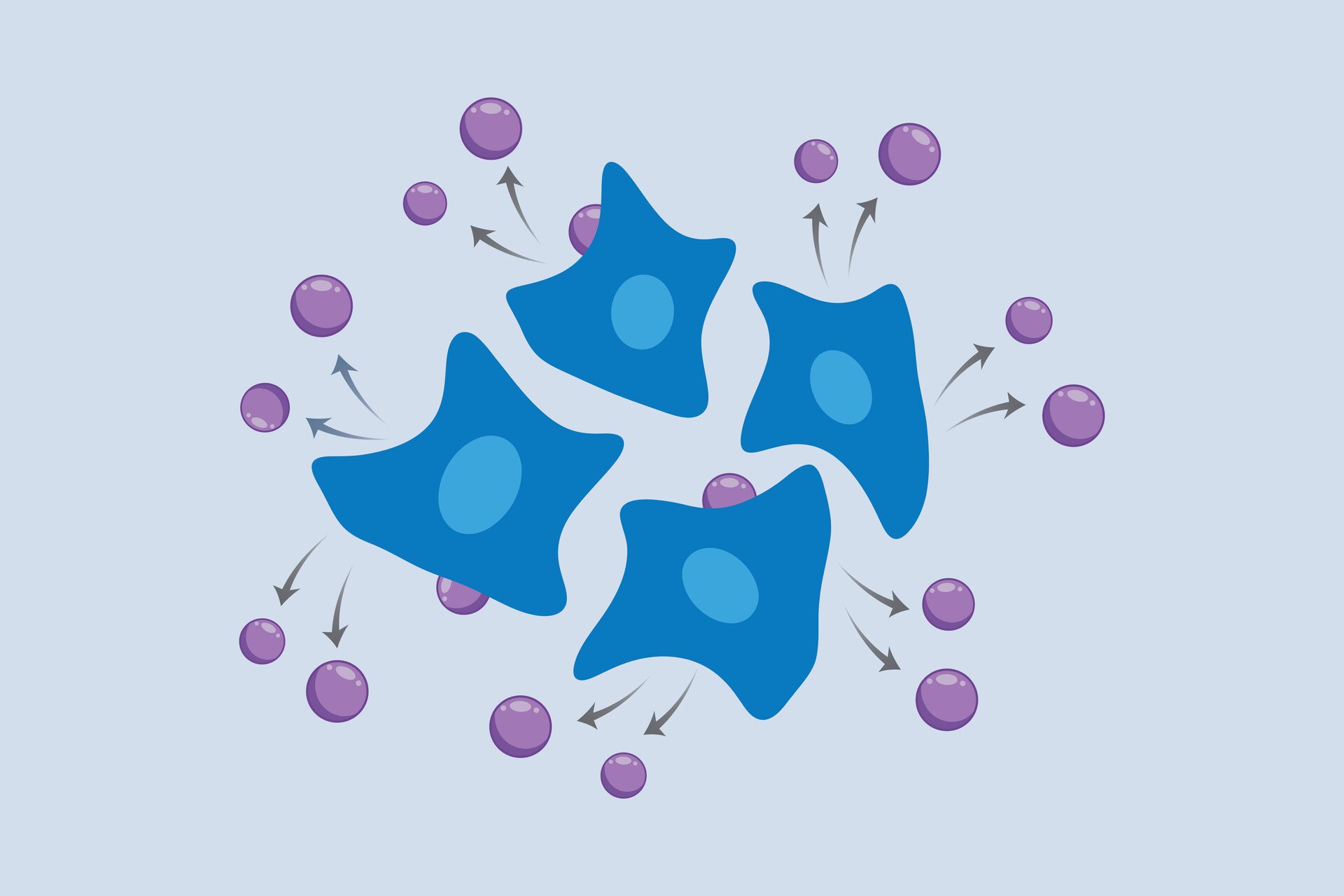
In recent years, scientists have built methods to measure a cell's transcriptome, or all the RNA produced by a cell, to study the cell's identity and genetic activity. However, these methods rely on killing the cell to access the bits of RNA within, and offer only a one-time snapshot. Now, researchers at the Broad Institute and at MIT have invented a 'cellular self-reporting' approach to make living cells share their own transcriptomes, so that scientists can analyze them without killing the cells. Described in Cell, the live cell transcriptomic method relies on virus-like particles, which the cells use to package and deliver RNA to the culture medium they're bathed in. Scientists can simply sample the medium to isolate the RNA, and do this repeatedly to reveal how gene activity in the same cell population changes as the cells mature or respond to perturbations. The researchers applied their method to a variety of cellular model systems, demonstrating its potential to help reveal how cells go awry over time in disease and how drugs affect cells....
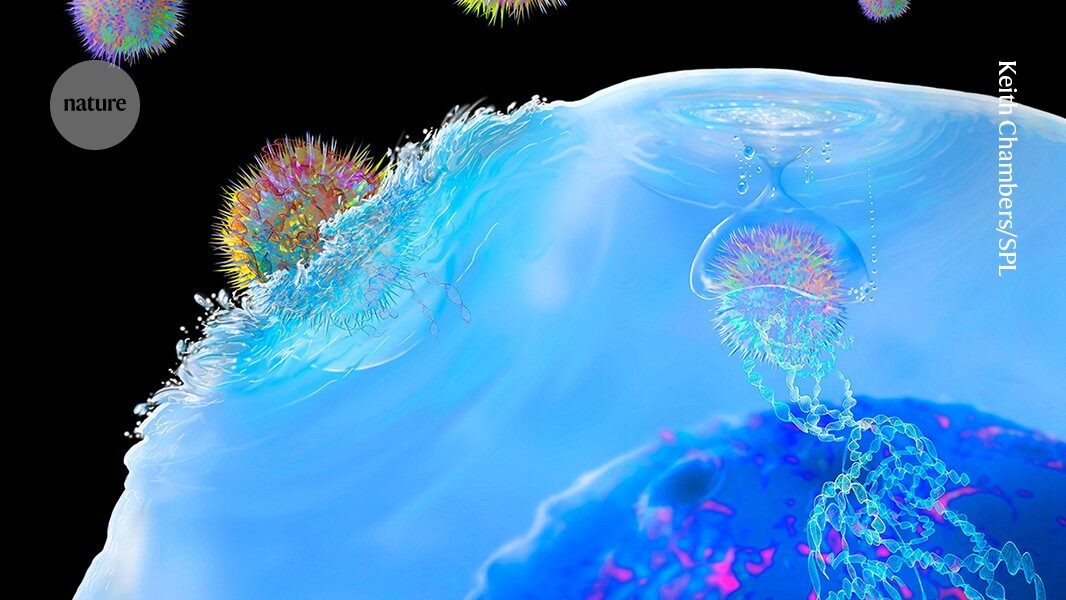
Symptoms for sixteen people with multiple sclerosis or other autoimmune conditions improved after receiving a treatment that produced disease-fighting immune cells inside their bodies, according to results1 from a small clinical trial. Researchers say the results are exciting but the treatment needs to be tested in more people. The latest trial, published this week in The New England Journal of Medicine, used a modified virus to transfer genetic instructions for making chimeric antigen receptors (CARs) on participants' immune cells, known as T cells. The CAR T cells target autoantibodies expressed by B cells, another type of immune cell, which attack the body's own healthy tissue in people with autoimmune diseases. 'This is a very exciting proof-of-concept study' for in vivo CAR-T-cell therapy, which is made inside the body, says David Simon, a clinician-researcher at the Charite ' University Medicine Berlin. In vivo therapy is cheaper and faster to produce than is conventional CAR-T-cell therapies that are made in a laboratory, he adds....

Venture funding to proptech startups is nowhere near its peak and still hasn't returned to pre-pandemic levels, as higher interest rates make real estate a tougher place to invest, leading to fewer deals and raising the bar for startups seeking capital. But startup investors haven't abandoned the sector, either, Crunchbase data shows. Instead, they're being more selective about their bets and putting more money into companies using AI and other technology to make construction, property operations and real estate transactions faster and less expensive. The broad trend: Even before the pandemic-fueled funding peaks, proptech startups received more than double the venture funding in 2019 than in more recent years. While investors haven't given up on proptech, funding to startups in the space remains down as interest rates hover in the 6% to 7% range. In case you forgot, during the COVID-19 pandemic, home buyers and owners had access to 15-year mortgage interest rates as low as 2.5%. Those historically low interest rates fueled investor interest in the space, especially in the U.S....
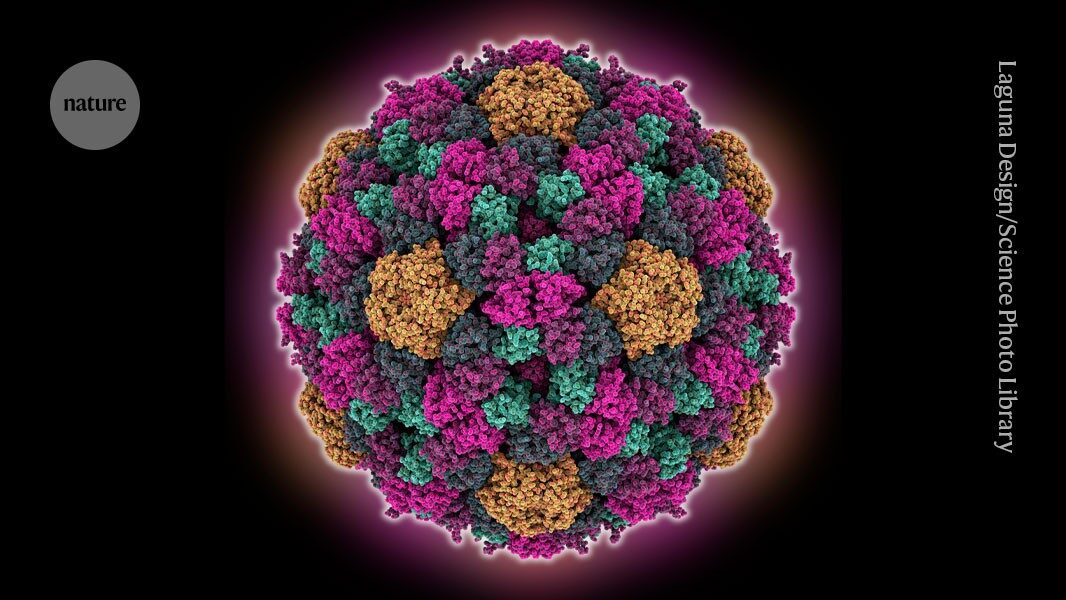
The virus's genome is a circular single-stranded DNA that features 5,386 nucleotides and encodes 11 proteins. In the 1970s, it became the first ever whole genome to be sequenced1 ' and, in the 2000s, it was the first to be chemically synthesized2. The first viral genomes designed by artificial intelligence were versions of, you guessed it, phi X3. Now, researchers have systematically mutated nearly every single nucleotide ' another first for a full genome ' and determined the consequences4. Most of these mutations were detrimental to the virus's survival, but for many of them, it was difficult to pinpoint why. 'Even in this super well-studied system, we can't explain why one-quarter of the mutations kill the virus,' says Ben Lehner, a molecular biologist at the Wellcome Sanger Institute in Hinxton, UK, who co-led the study, which was posted on the bioRxiv preprint server in July. Cutting-edge AI systems for biology research that have shown promise in identifying harmful mutations struggled to predict the effects of the changes in the phage. The findings underscore the need for more, and better, experimental data to power these biological-AI tools....


