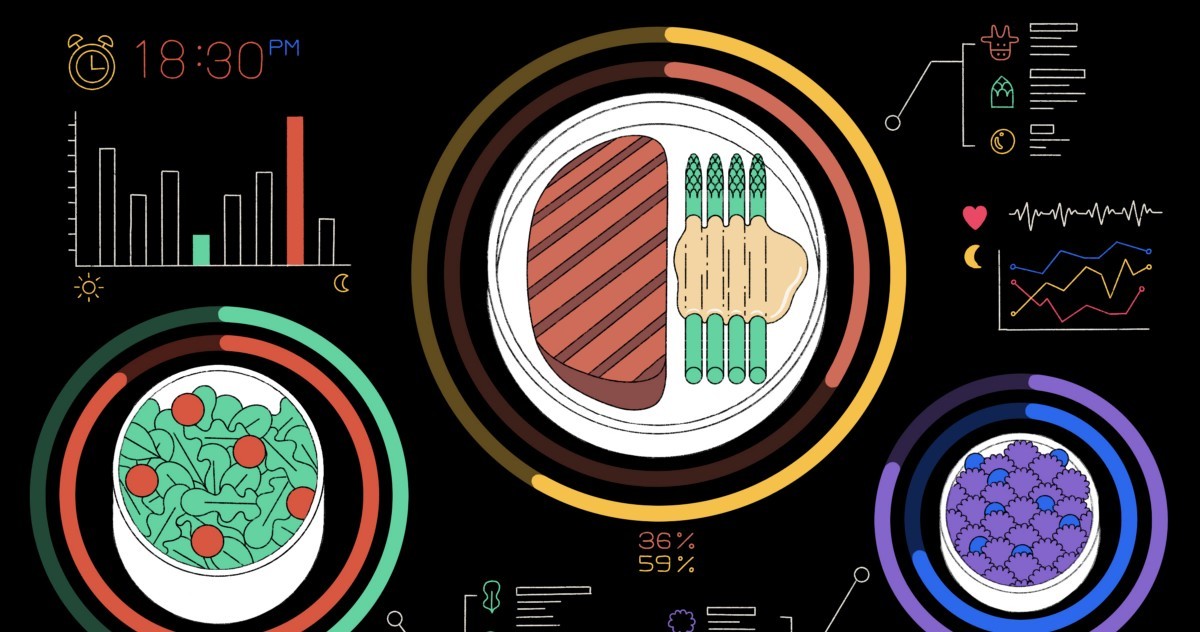
Advocates of intermittent fasting, while sensitive to the concerns around eating disorders, will note that doing a fast may help someone develop a more healthy overall relationship with food. âÂÂI understand the controversy,â says Geoffrey Woo, co-founder of San Francisco-based nootropics company HVMN. âÂÂBut when I look at the normal corporate practices of happy hours every day after work, pizza, doughnuts, other food in the office, and people always snacking â that, to me, is more dangerous than a culture around fasting.âÂÂAt the offices of HVMN, where about three-quarters of employees do some sort of intermittent fasting or low-carbohydrate diet, blood fingersticks and glucose monitors abound. As Woo told Elemental last spring, it was only after he observed co-workers successfully take up a fasting regimen that he decided to try it as well.âÂÂWe donâÂÂt have a formalized policy around people for dietary protocols,â he says. âÂÂGiven our company mission and culture, we attract people that are more open-minded or introspectively thoughtful around their dietary choices beyond what is pushed to them via traditional advertising.âÂÂ...
ThereâÂÂs still a lot we donâÂÂt know about Covid-19, as the news headlines demonstrate on a daily basis. ThatâÂÂs to be expected with a virus that has so quickly and completely consumed the globe, dramatically outpacing testing and mitigation efforts. However, the continued unknowns about this virus shouldnâÂÂt obfuscate what we do know to be true about this deadly disease. As the weeks wear on, our failure to act on known medical truths is becoming increasingly unforgivable.Our world is facing two pandemics right now. The acute one, Covid-19, is swift and relentless â and itâÂÂs disproportionately preying upon people affected by an even larger, more-enduring pandemic: obesity.Obesity is a leading risk factor in mortality and morbidity from Covid-19. And yet weâÂÂre not acknowledging this truth in our plans for protecting our most vulnerable populations. This speaks to a much larger deficiency within our society and our health care system today: the stubborn refusal to recognize and treat obesity as the chronic, deadly disease that it is....

âÂÂIâÂÂm interested in travel behaviour and the choices that are made in this regard. The large amount of unexplored territory is one of my primary motivations. In some cases, the associations operate in the opposite direction from what might initially be expectedâÂÂ, notes Dr Maarten Kroesen of the Faculty of TPM at TU Delft. âÂÂFor example, with regard to mobility, we often assume that we will have to change attitudes before we can change travel behaviour. People must first be convinced that travelling by train is an acceptable option before we can get them to leave their cars at home. It might work in the opposite direction, however: forcing a change in behaviour might also change the attitudes that people have regarding that behavioural change. Once motorists are in the train, their attitudes about train travel are likely to change as well. In the mobility research, these types of ideas are still in the early stages.â These types of questions clearly play a role in the study that Kroesen has recently published in the Journal of Transport and Health. In collaboration with fellow scientist Jonas de Vos of Imperial College London, Kroesen examined the relationship between active travel (i.e. walking and cycling) and individual health. âÂÂTo date, the exact nature of these relationships has not been the subject of much investigation: does active travel lead to better health, or are healthy people more inclined to travel actively? We have systematically focused on the relationship between active travel and two important indicators of health: the body-mass index (BMI) and mental health. We measured mental health using a questionnaire designed to assess the extent to which individuals feel depressedâÂÂ. âÂÂWe used data from more than 1500 participants in a research panel in the Netherlands. Health data from this group were available for a 10-year period. We asked how many days in the past week respondents had walked for at least 10 minutes. Unfortunately, we did not have enough data to include cycling, but our tentative hypothesis is that the results of the study would also apply to cyclistsâÂÂ, observes Kroesen....
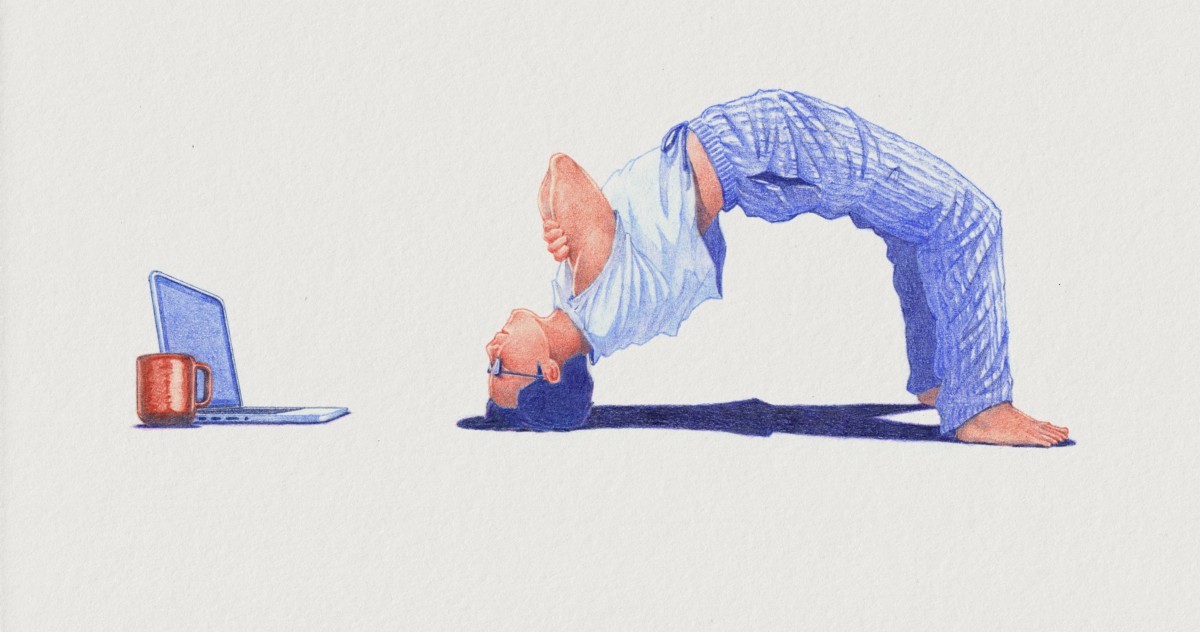
Back tight? Knees sore? YouâÂÂre not alone. ItâÂÂs been just over a month since the first âÂÂshelter in placeâ order was issued in America â nearly one month since many of us were asked to physically isolate our already stressed-out, suboptimally nourished, sleep-deprived bodies to our homes (residences that may or may not be set up for working) â and itâÂÂs taking its toll.âÂÂOne of the reasons people are starting to feel not great is that their environment isnâÂÂt conducive to what their body needs,â says physical therapist Kelly Starrett, DPT, owner and operator of The Ready State Virtual Mobility Coach and author of Deskbound: Standing Up to a Sitting World. âÂÂWeâÂÂve gotten stiff from not moving enough.âÂÂNow hereâÂÂs the good news: It doesnâÂÂt take a lot to start feeling better. Aside from prioritizing stress relief (getting adequate sleep can go a long way), the experts say adjusting your environment and building more purposeful, non-exercise movement into your day will do wonders....