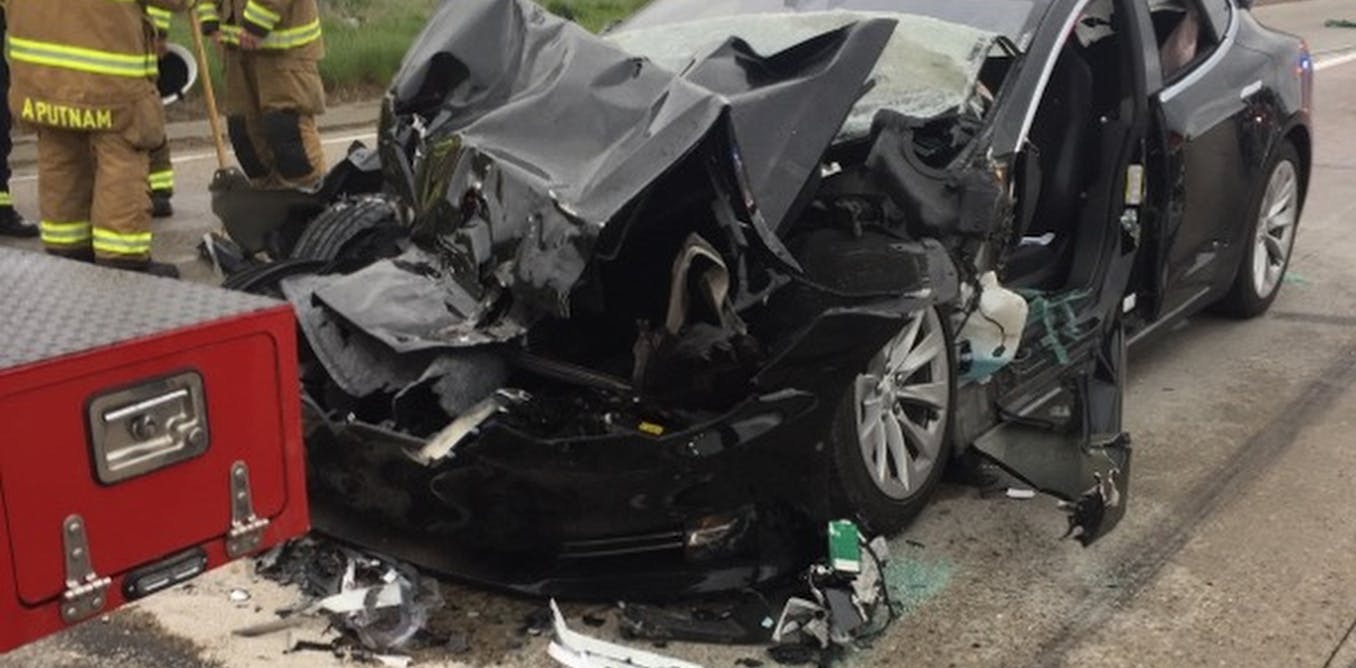
From drones delivering medical supplies to digital assistants performing everyday tasks, AI-powered systems are becoming increasingly embedded in everyday life. The creators of these innovations promise transformative benefits. For some people, mainstream applications such as ChatGPT and Claude can seem like magic. But these systems are not magical, nor are they foolproof ' they can and do regularly fail to work as intended. AI systems can malfunction due to technical design flaws or biased training data. They can also suffer from vulnerabilities in their code, which can be exploited by malicious hackers. Isolating the cause of an AI failure is imperative for fixing the system. But AI systems are typically opaque, even to their creators. The challenge is how to investigate AI systems after they fail or fall victim to attack. There are techniques for inspecting AI systems, but they require access to the AI system's internal data. This access is not guaranteed, especially to forensic investigators called in to determine the cause of a proprietary AI system failure, making investigation impossible....
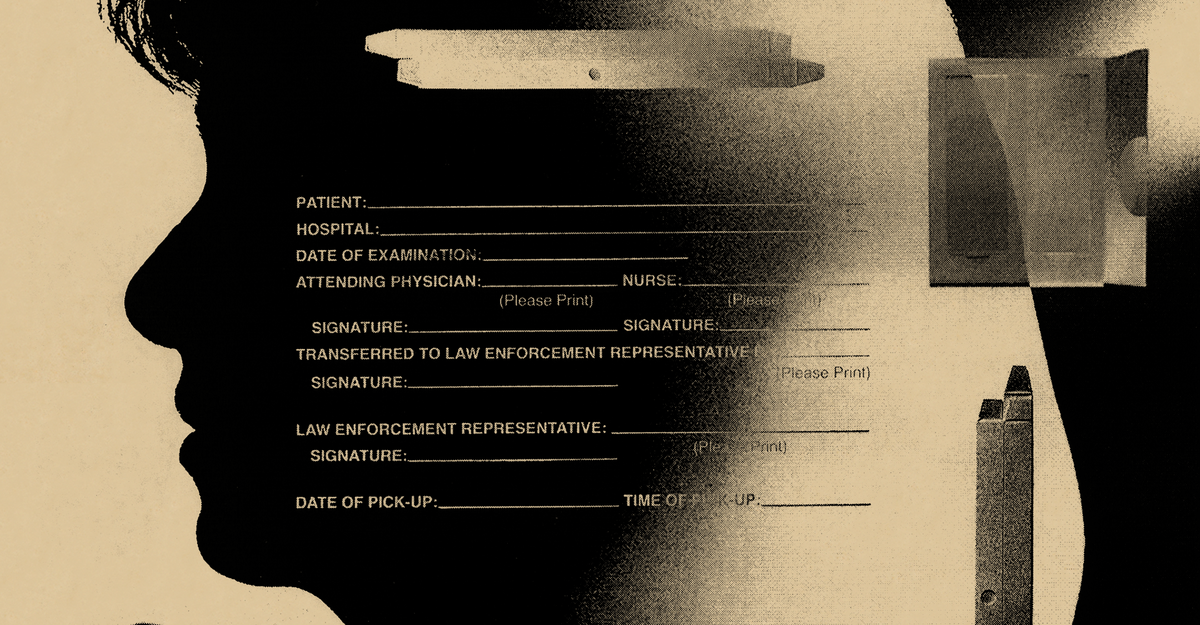
One of the most powerful inventions of the 20th century is also an object that no one ever wants a reason to use. The sexual-assault-evidence collection box, colloquially known as the 'rape kit,' is a simple yet potent tool: a small case, perhaps made of cardboard, containing items such as sterile nail clippers, cotton swabs, slides for holding bodily fluids, paper bags, and a tiny plastic comb. Designed to gather and preserve biological evidence found on the body of a person reporting a sexual assault, it introduced standardized forensics into the investigation of rape where there had previously been no common protocol. Its contents could be used in court to establish facts so that juries wouldn't have to rely solely on testimony, making it easier to convict the guilty and exonerate the innocent. The kit, conceived within the Chicago Police Department in the mid-1970s, was trademarked under the name 'Vitullo Evidence Collection Kit,' after Sergeant Louis Vitullo. The Chicago police officer had a well-publicized role in the 1967 conviction of Richard Speck, who had murdered eight student nurses in one night. Vitullo's second claim to fame is more complicated. The Secret History of the Rape Kit, a revealing new book by the journalist Pagan Kennedy, doubles as an account of the largely unknown history of the collection box's real inventor'a woman named Martha 'Marty' Goddard, whose broader goal of empowering survivors led her to cede credit to a man. In a cruel irony, a woman who drove major social change failed to get her due as a result of politics and sexism....

Fire devastates communities and families, and it makes identification of victims challenging. In the aftermath of the wildfire that swept through Lahaina, Hawaii, officials are collecting DNA samples from relatives of missing persons in the hope that this can aid in identifying those who died in the fire. I am an anthropological geneticist who studies degraded DNA in archaeological and forensic contexts. My research group applies ancient DNA and forensic analysis methods to optimize DNA recovery from burned bones. Retrieving DNA from severely burned remains in order to identify victims is a particular challenge. In a typical forensic investigation, DNA is extracted from a sample ' whether some blood, pieces of tissue or bone ' collected from the scene of the disaster or crime. This process chemically separates the DNA from other components of cells within the sample, such as proteins, and purifies it. This DNA is used as a template for polymerase chain reaction, or PCR, analysis, a method that is essentially the Xerox copier of molecular biology. Even if there are only a few cells present in the sample, PCR can amplify those DNA molecules into thousands or millions of copies. This creates a sufficient amount of DNA for subsequent tests....
Subscribe to our Newsletter to increase your edge. Don't worry about the news anymore, through our newsletter you'll receive weekly access to what is happening. Join 120,000 other PE professionals today....