
Oura, the smart ring maker, with offices in San Francisco and Finland, is reportedly planning to raise up to $3 billion as soon as next month in a U.S. IPO that values the more than 900-person company at [spits out coffee] north of $16 billion, according to Bloomberg. The outlet adds that investors are expected to sell a major chunk of stock in the offering. A $16 billion valuation would mark an enormous jump from the $10.9 billion valuation Oura was assigned last September, when it closed an $875 million Series E round backed by Fidelity, ICONIQ, Whale Rock, and Atreides, joining earlier backers like Dexcom, The Chernin Group, Forerunner Ventures, Coatue, and Temasek. Samsung launched its own ring, the Galaxy Ring, two years ago. But Oura's most direct rival may be the fitness band maker Whoop, which has undergone its own reinvention. Once a performance tool for elite athletes and young men, Whoop has spent the past year courting a much broader audience, layering in hormone tracking and blood-panel testing for perimenopause and thyroid health. The move drove its own valuation up to $10 billion back in March. Oura has followed a similar path, evolving from its starting niche of biohacking CEOs into a more mainstream sleep-and-recovery brand....
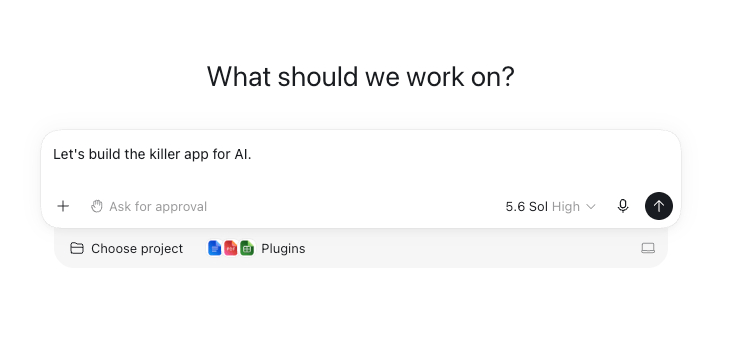
Getting the most value from a model means giving it the keys. For a control freak or the AI-hesitant, it seems like a lot. For Andrew Ambrosino, the lead engineer for OpenAI's desktop app, it's the only way to test the future, which is why that app now has access to, and control over, his inbox, his Slack account, his phone, apps like Notion and Figma, and more. 'If I'm asking it to write a document, is there a possibility that it's going to pull from a private DM on that subject and not know that it's not supposed to share some info' Yes,' Ambrosino told TechCrunch. 'I'll do it for the job. I will take the personal hit here and there if I have to. And I haven't had to.' Ambrosino works on OpenAI's biggest bet, ChatGPT Work, which was released last month and is available on the company's lowest subscription tier, for $20 a month. The product is intended to allow white-collar workers to field AI agents ' hooking LLMs up to the digital workflows used by accountants, investors, doctors, and everyone else whose day-to-day is dominated by their computer....
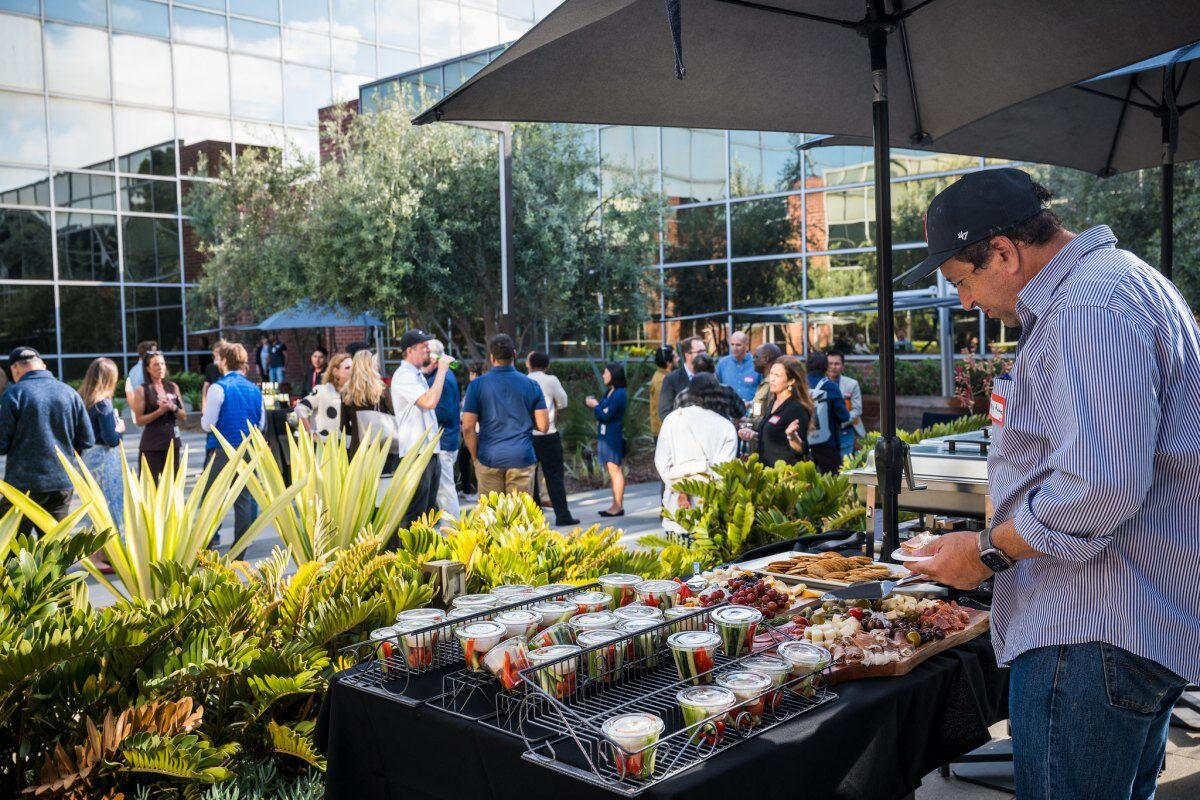
We're getting close to TechCrunch Disrupt 2026! In less than two months, more than 10,000 innovators, founders, investors, and industry leaders will gather in San Francisco. You can meet up with that community the week of TechCrunch Disrupt, which runs from October 13-15. With our Disrupt Side Events program, you can bring people together anytime from October 10-16 for a custom event that gets promoted to Disrupt's attendees. But time is running out ' our deadline to apply for Side Events is September 4, so act now! Hosting a Side Event puts you in control of how your community meets up, placing your brand front and center with the people who matter most. Whether you're a VC looking to spark conversations, a company ready to showcase breakthrough innovation, or a community builder with something to say, this is your moment to: Anything that aligns with your vision is likely to be approved. Everything from industry roundtables and VC office hours to deep-dive workshops to intimate dinners and casual networking happy hours have succeeded at past Disrupt events....

We heard the feedback, and we've extended the window for the lowest prices for TechCrunch Disrupt 2026 a bit further, with the current prices now ending at 11:59 pm PT Tuesday, August 25. Once that window closes, your chance to save up to $300 on your pass, or get an even larger discount on group pricing, will come to an end. For everyone who was looking for an extension, your chance is now! Start getting ready to join the rest of the startup community gathering in San Francisco from October 13-15 at Moscone West to learn from speakers from OpenAI, Anthropic, Replit, Amazon, Databricks and more. Each year, TechCrunch Disrupt brings together more than 10,000 founders, investors, and startup community members, driving innovation forward. And for our event this year, you'll find a keen focus on building and developing in the AI era across all of our stages of programming. If you want to be on the cutting edge running into 2027, this is the event for you. And you don't have to be a founder to get value out of Disrupt. Whether you're raising capital, scouting investments, hiring talent, launching a startup, or building strategic partnerships, Disrupt puts you in the middle of the conversations shaping what's next and can help you make the connections that propel your next year of growth....