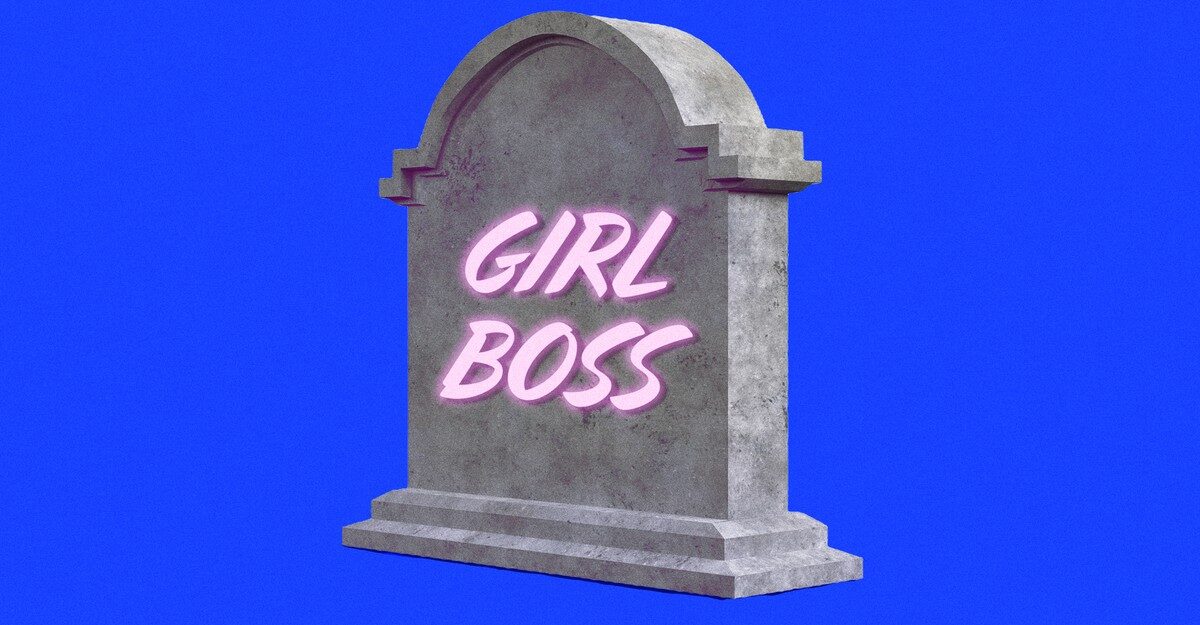
Lindy West is the most successful feminist writer of her (and my) generation. In her pomp at Jezebel, she mastered both viral takedowns'sorry, Love Actually'and confessional writing. She embraced adjectives that were meant to demean her: loud, fat, shrill. When Lindy shouted, women listened. That background is what makes the publication of her new memoir, Adult Braces, such a cultural moment. Adult Braces is many things: a paean to the varied landscapes of America, an advert for #vanlife, a reminder to be grateful that your partner hasn't talked you into a throuple with a much thinner woman. It is also the tombstone for Millennial Feminism'that swirling brew of Media Twitter, blog snark, the Great Awokening, whaling on Lena Dunham, fat positivity, and boring straight people identifying as queer through accounting tricks. To read Lindy West is to gaze backwards in time, to an era when it was acceptable to write 'welp!' in copy. West lived the Millennial writer's dream. She rose from blogging for the Seattle alt-weekly The Stranger to a similar job at the new media darling Jezebel, and went on to write columns for legacy outlets such as The Guardian. On the side, she published a New York Times best-selling memoir, Shrill, and turned it into a television show that ran for three seasons. She left Twitter after being bombarded with abuse but remained unbowed. Sure, #MeToo was a witch-hunt, she wrote in the Times: 'I'm a Witch and I'm Hunting You.' There was even a fairy-tale ending, with a handsome musician named Ahamefule Oluo who loved her just as she was. 'My wedding was perfect,' she wrote in 2015, 'and I was fat as hell the whole time.' Can women have it all' It looked like Lindy West could....
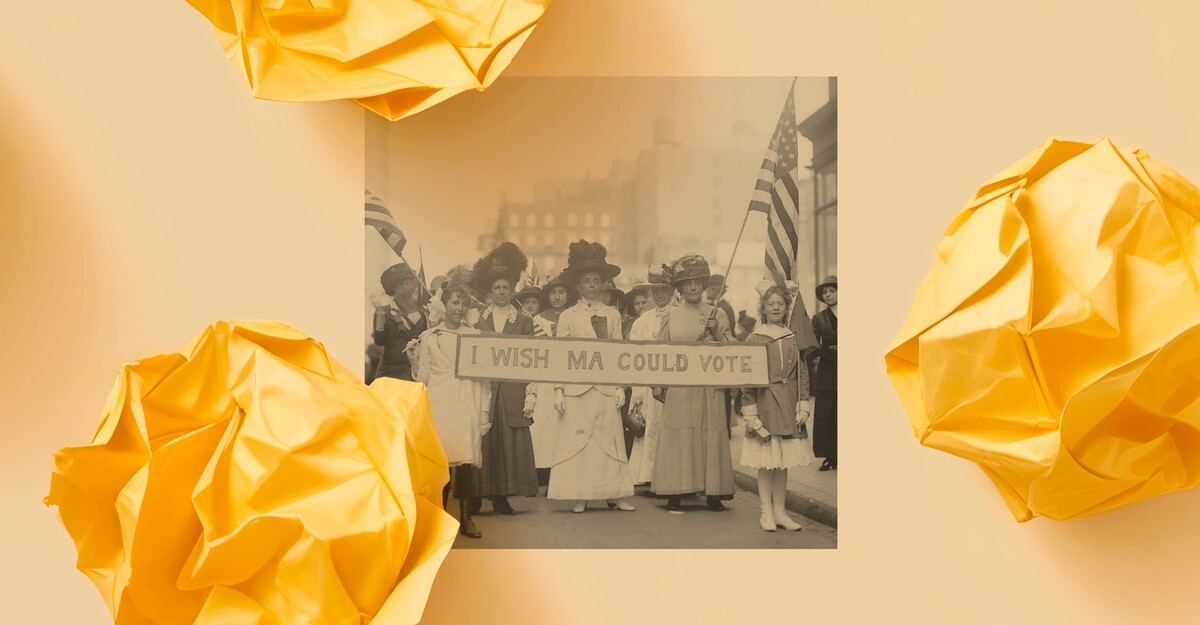
As female achievement and visibility increased in higher education, the media, politics, and more, some people grew tired of being lectured by feminists and began to wonder: Do we even need them anymore' This attitude made up a dominant strain of popular thinking and discussion in the late 1990s and early 2000s. And as the defiant, gritty rage of third-wave feminism scrabbled for purchase, a new era of 'girl power' was rising up. As the Atlantic writer Sophie Gilbert tells it in her new book, Girl on Girl: How Pop Culture Turned a Generation of Women Against Themselves, young women of this time 'came to believe that sex was our currency, our objectification was empowering, and we were a joke.' Gilbert's book skewers porn, reality TV, and celebrities for their complicity in relegating women to the role of sex object and for warping feminism into a debate over individual choices instead of collective action. 'What I remember from my own life during this period from the 2000s was that there was only one kind of power that women were being allowed, and that was sexual power,' Gilbert recounts. 'And sexual power was everywhere. It was the idea that sex would empower women and that sexual presentation would empower women was in every form of media, and it was impossible to avoid.'...
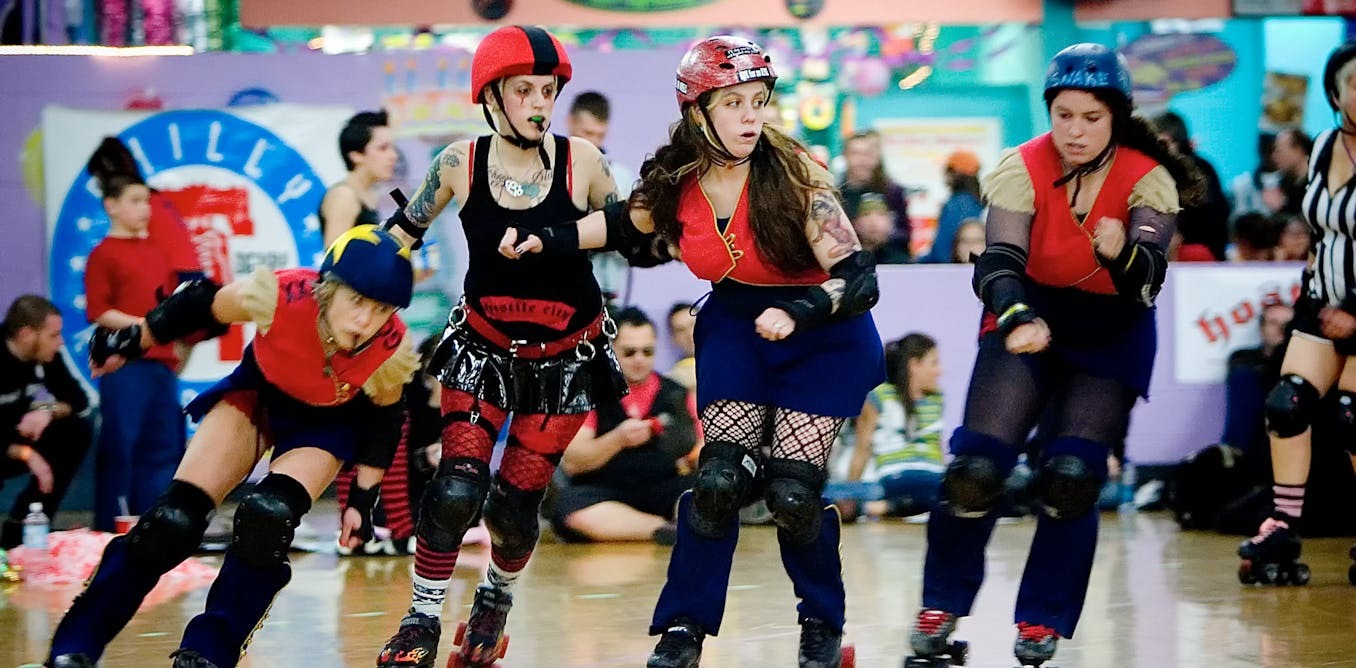
For 20 years, Philly Roller Derby skaters, who go by names like Woolly Slammoth, TrailBlazeHer and Reba Smackentire, have jammed and blocked their way around oval skating rinks in the spirit of feminism, anti-racism, body positivity and queer liberation. When the Philly league joined the Women's Flat Track Derby Association in 2005, it was one of the first, following the Texas Rollergirls in Austin and leagues in Portland, Oregon; Chicago; New York; and other cities. The WFTDA, which governs flat-track roller derby, had formed just one year prior with a goal of 'revolutioniz[ing] the role of women in sports.' Primarily organized by women, the association takes an explicitly feminist position and welcomes anyone who is of a 'marginalized gender.' This includes cisgender women as well as all transgender, intersex and two-spirit individuals. Intersex people have chromosomes and/or reproductive organs that do not fit into a binary male or female classification, while two-spirit refers to members of Indigenous cultures who identify as having both a masculine and feminine spirit....

Jude Kelly, chief executive officer and founder of the Women of the World (WOW) Festival, addresses the threat of online misogyny and 'incels' - to men as well as women, on the Forum's Radio Davos podcast, as she talks about her experience starting WOW, men's role in feminism, and progress and regression around attitudes to women across the world. Jude Kelly: I did the festival for its very first year to celebrate the 100th anniversary of International Women's Day, and it was such a hit' Straight away people said, "Oh, I'd love to do this in Baltimore, I'd love to do this Australia'" The girls and women who come - and the boys and men, because many men attend - they might think they're coming to hear one thing that interests them but they're going to bump into something else. And whether that's something as plaintive and difficult as looking at the violence that's enacted on women... or whether it's something completely joyful, like hearing from the first Indian woman surfing champion... All of these stories make up a sense that there's a vitality in the idea of human progress....


