
GPT-5.6 comes in three variants: Sol (considered its workhorse), Terra (a more intermediate option), and Luna (its budget-friendly option). These models expand what users can do across a variety of fields ' with the company promising powerful capabilities in enterprise work, coding, and even scientific research. CEO Sam Altman has promised that his company's newest models are orders of magnitude more efficient and cost-effective than previous versions, recently telling CNBC that Sol is 54% more token efficient when it comes to AI coding tasks. Indeed, much hubbub has been made about the model's cyber capabilities, as the Trump administration previously sought to restrict its rollout, ostensibly due to fears of how the model could be misused. GPT-5.6 supports defensive activities, including threat modeling, code review and patching, and blue teaming (simulating an attack on your own systems to find weaknesses before real hackers do). OpenAI also released a new tool called ChatGPT Work, which ' just as it sounds ' is designed as a workplace companion for enterprise teams, running on desktop, web, and mobile, that can help with daily clerical tasks, like drafting documents, spreadsheets, and presentations....
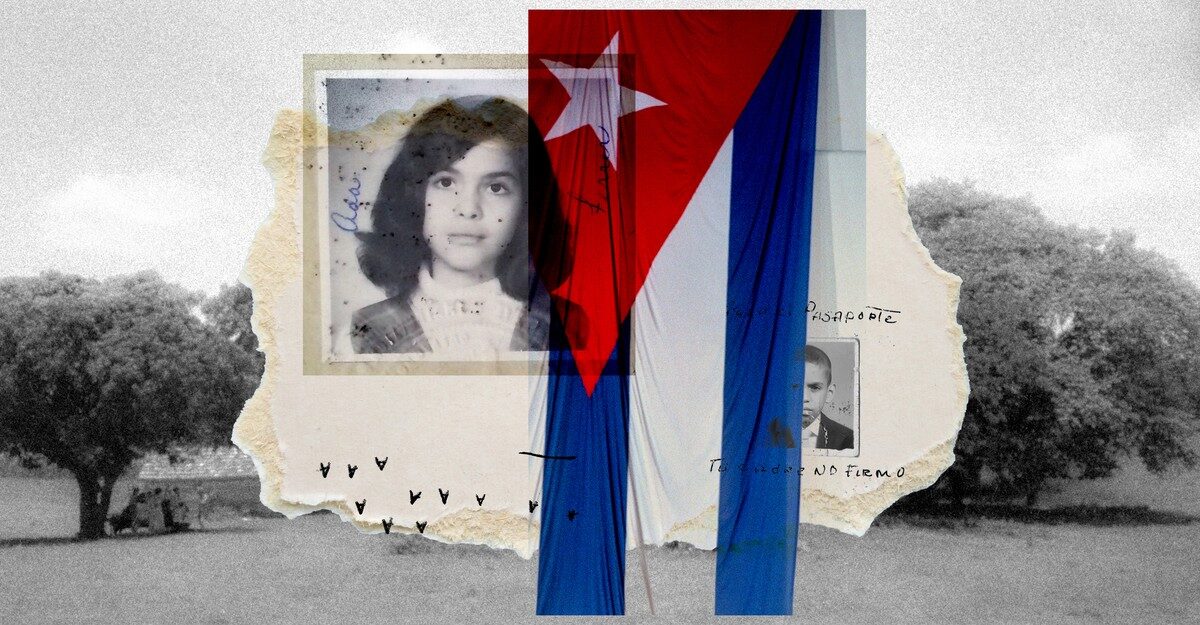
Decades ago, Ada Ferrer learned a lesson about what she'd later call the 'misencounter between the history I was reading and the history of the people in my life.' During the late 1980s, while pursuing a master's degree in history at the University of Texas, Ferrer asked her parents to share their memories of events covered in her coursework. Did Adela and Ramon, who had emigrated from Cuba in the early '60s, remember the nation's constitutional convention of 1940' They did not. Had they attended Fidel Castro's massive rallies during the 1959 Cuban Revolution' They had not. Castro's agrarian reforms hadn't touched Ramon's family farm, which was too small to be confiscated; neither parent watched the leader's hourslong speeches, because they didn't have a television. Yet Ferrer's mother and father were profoundly shaped by the history they hadn't witnessed directly. So was Ferrer, who has devoted her life to studying the country where, as she writes, 'I was born but could not remember.' Today, she is a professor of history at Princeton and the winner of a 2022 Pulitzer Prize for Cuba: An American History, which documents five centuries of evolution and revolution. Her new book, Keeper of My Kin: Memoir of an Immigrant Daughter, is a far more intimate story. Recounting her family's experiences after the revolution, it is about 'utterly ordinary people,' she writes, 'always on the margins, absent less as a matter of ideology than from an unconscious sense that history did not belong to them.'...
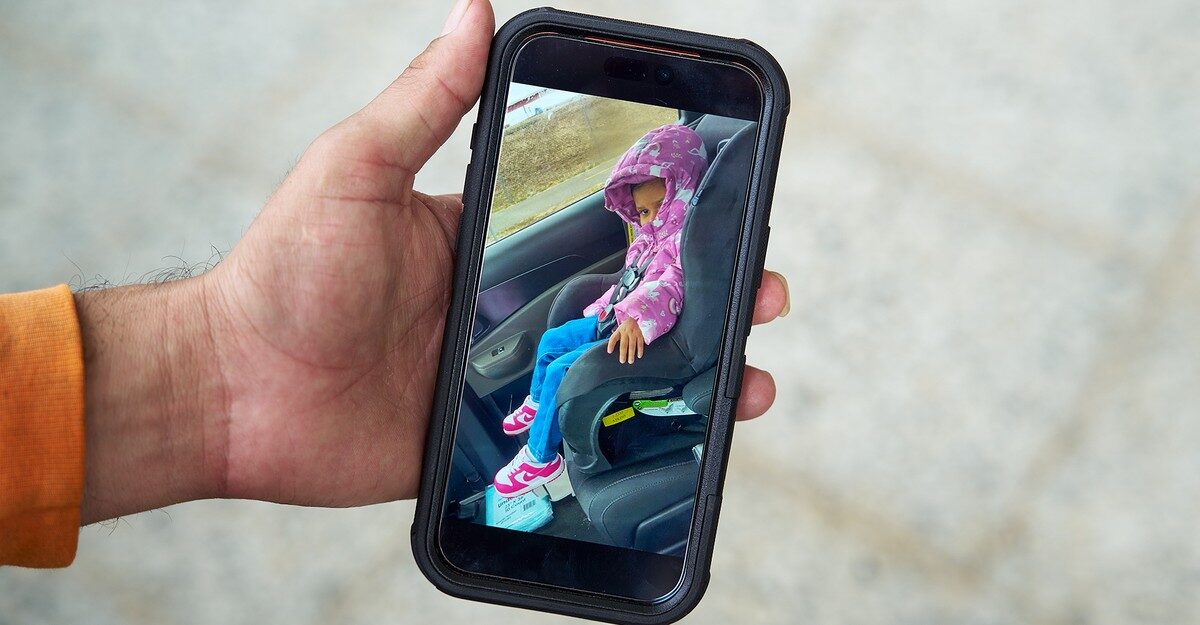
Early one morning behind the airport in La Lima, Honduras, before the first planeload of deportees landed, Sister Idalina Bordignon was meeting with her staff about an unsettling situation. Every day, parents were arriving without their children, and they were asking questions like What do I do if I don't know where my child is' and Do I lose my rights as a parent if I'm deported' An American aid worker suggested a quick analysis of each case to determine which agencies or nonprofits might help the families. We'll never have time for all this, Idalina thought. The Trump administration was sending too many people to Honduras too quickly, and soon the reception center that she oversees would be packed with more than 100 people who were exhausted, hungry, and in shock. They would need to be processed into the country as quickly as possible to make room for the next planeload. Shackled to a seat on one of those planes was a 39-year-old single mother named Claudia. After she emerged from the reception center in a detainee sweatsuit, looking teary and depleted, she told me her story in the parking lot. She'd fled Honduras in 2023 because her ex-partner's girlfriend was stalking her and had physically attacked her, and she'd settled in Atlanta with her 11-year-old son. In December she was arrested for driving without a license and spent three and a half months in ICE detention, where she pleaded to be reunited with her son, but was ignored. 'I really wanted to bring him with me,' Claudia said. 'Being with him is my top priority.' A cousin said he would start saving money to get her son a passport and bring him to Honduras, but it was unclear when that would happen....

'What do you mean, you just take the stomach out'' Karyn Paringatai wondered, when doctors first said her stomach had to be surgically removed. Could she still eat' Yes, but differently. What would replace it' Nothing. She would have to live the rest of her life missing a major organ. Paringatai was not actually sick, not yet. Her stomach was fine. But her cousin, just a few years older, had recently died of an aggressive stomach cancer at age 33, leaving behind three children. In a video recorded after her diagnosis turned terminal, the cousin told her little kids to be good for their father. 'Please don't be too mean to the lady that he meets,' she added, anticipating how the void left by her death might be filled. But she must have known that this void could not be filled, not ever. The cousin's own mother had died young of stomach cancer. So had her grandmother. So had her sister. To the doctors who saw Paringatai's cousin in Tauranga, New Zealand, this pattern was hauntingly familiar. Her cancer was an unusual and distinct kind called diffuse gastric cancer, in which cancerous cells percolate undetected through the stomach, forming obvious masses only in advanced stages'usually too late to treat. The doctors had witnessed the same rare cancer run through a large Maori family near Tauranga. In that family, one woman lost six of her siblings to stomach cancer; a boy had died at 14. The family now reached out to Paringatai's. It's genetic, they said. You have to get tested....