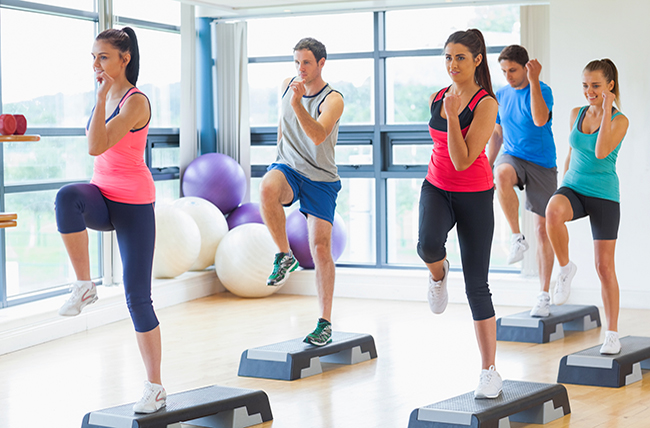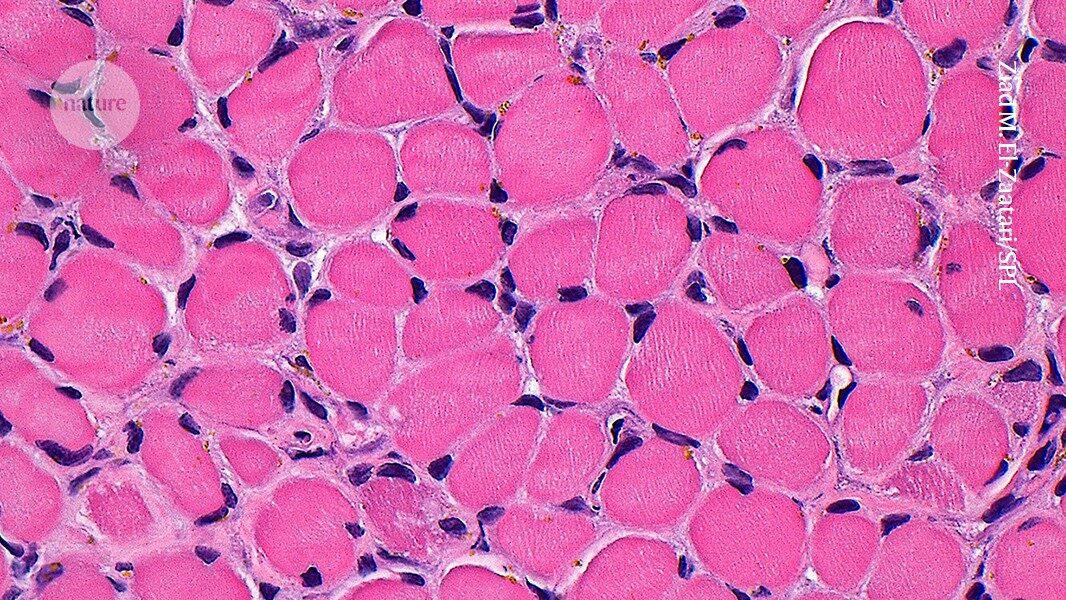
Researchers have created contracting muscle implants that can mimic some of the benefits of exercise, including improving muscle mass, strength and bone density while also slowing age-related muscle changes1. The research, published in Nature Aging today, is still a proof of concept, but if translated from animals into people, could help to prevent muscle loss due to ageing, chronic medical conditions and in bed-ridden people, say the authors. Muscle wasting affects many people, particularly older individuals, but there are no good solutions for the condition apart from exercising, says Shyh-Chang Ng, a co-author of the study and a biologist at the Institute for Stem Cells and Regenerative Medicine in Beijing. 'But the people who need to do exercise the most often turn out to be the people who are unable exercise,' he says. Using a muscle graft to mimic exercise response is an intriguing premise, says James White, a physiologist at Duke University in Durham, North Carolina. However, people would probably need multiple muscle grafts throughout the body to achieve the benefits seen in mice. For those who are frail, bedridden or older ' the very people who would need these grafts ' undergoing several invasive procedures would be undesirable, White says....

B cells are the 'security guards' of the immune system, identifying harmful pathogens and actively producing antibodies to target them, says Peng Jiang, an immunologist at Tsinghua University in Beijing and anthor of the study. But until now, the cells' role in metabolism had not been observed. Jiang says this is the first time that a function for these cells that is not associated with the immune system has been described' 'a finding completely beyond our initial expectations', he says. Carolin Daniel, the director of the Helmholtz Munich Institute for Metabolism and Immunology in Germany, says that there is increasing interest in studying the functions of B and T cells beyond the immune system. The finding that B cells can be crucial intermediaries between the immune system and the organs involved in exercise is an important conceptual advance, she adds. Jiang's team studied whether there was a connection between the immune system and exercise performance. They tested the endurance of mice that had been genetically modified to have a low B-cell count by having them run on a treadmill. The researchers increased the speed at predetermined intervals over a period of about 15 minutes, stopping when the mouse became exhausted....
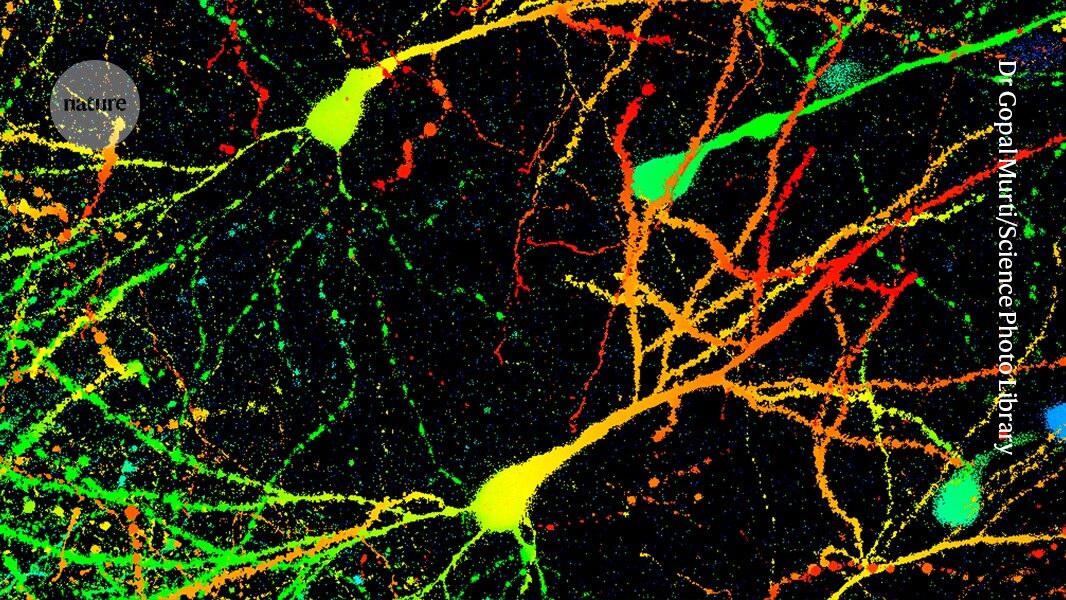
Exercise pumps up your muscles ' but it might also be pumping up your neurons. According to a study published today in Neuron1, repeated exercise sessions on a treadmill strengthen the wiring in a mouse's brain, making certain neurons quicker to activate. This 'rewiring' was essential for mice in the study to gradually improve their running endurance. The work reveals that the brain ' in mice and, presumably, in humans ' is actively involved in the development of endurance, the ability to get better at a physical activity with repeated practice, says Nicholas Betley, a neuroscientist at the University of Pennsylvania in Philadelphia, and a co-author of the paper. 'You go for a run, and your lungs expand, your heart gets pumping better, your muscles break down and rebuild. All this great stuff happens, and the next time, it gets easier,' Betley says. 'I didn't expect that the brain was coordinating all of that.' They decided to focus on the ventromedial hypothalamus, a brain region that regulates appetite and blood sugar. The team then zeroed in on a group of neurons in that region that produce a protein called steroidogenic factor 1 (SF1), which is known to play a part in regulating metabolism2. A previous study3 found that the deletion of the gene that codes for SF1 impairs endurance in mice....
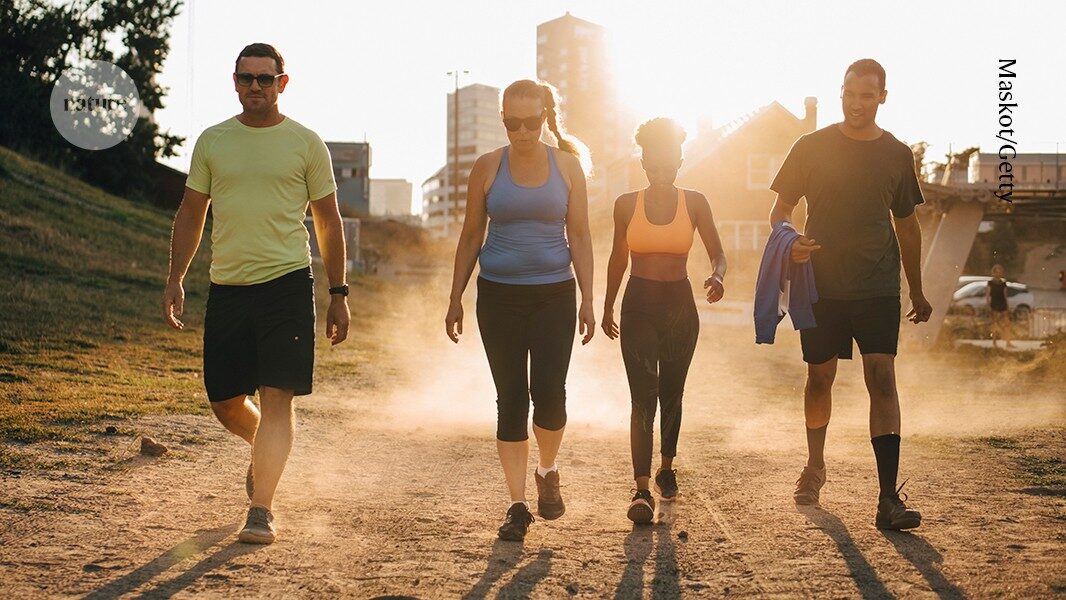
January is peak gym time ' the month when fitness seekers commit to New Year's resolutions. By February, however, those goals are often forgotten. That busting of best intentions begs the question: how much exercise do people really need, and what's the ideal way to get it' Recent research fortunately has some welcome advice for the time-stressed in 2026. Existing guidelines from most national and global health organizations call for at least 150'300 minutes of moderate physical activity each week, or 75'150 minutes of vigorous activity, for healthy adults, sometimes alongside activities to strengthen muscle and bone. Although those guidelines remain good goals to aim for, newer studies suggest that meaningful health benefits emerge with much less exercise. Researchers are getting a clearer understanding of the bare minimum amount of exercise needed for health gains thanks to data from wearable devices. These can provide more-reliable measurements than do self-reported data, which form much of the basis for current guidelines. By incorporating wearables into study design, researchers can collect accurate data on physical activity minute by minute, says I-Min Lee, an epidemiologist at the Harvard T.H. Chan School of Public Health in Boston, Massachusetts. 'And this is when we start to see that even low levels of physical activity are helpful,' she says....