Chip giant Nvidia, meanwhile, sharply accelerated its dealmaking, ranking among the most active and highest-spending investors for the month. The chip giant participated in nine disclosed rounds of at least $5 million ' marking its busiest month for investing since at least the beginning of 2025 ' and led or co-led financings collectively valued at $1.3 billion. San Francisco-based General Catalyst ranked as the most active lead investor in rounds of $5 million or more, leading or co-leading five such deals. Its largest was the $1.1 billion Series A for River AI, which provides custom AI fine-tuning for businesses. General Catalyst also led or co-led a $116 million Series E for Cityblock Health, along with three seed rounds ranging from $10 million to $25 million, Crunchbase data shows. The scale of those rounds varied considerably. The four deals that Andreessen led or co-led totaled more than $1.15 billion, driven by an $800 million Series C for defense tech company Castelion and a $300 million Series A for AI infrastructure startup Volta....
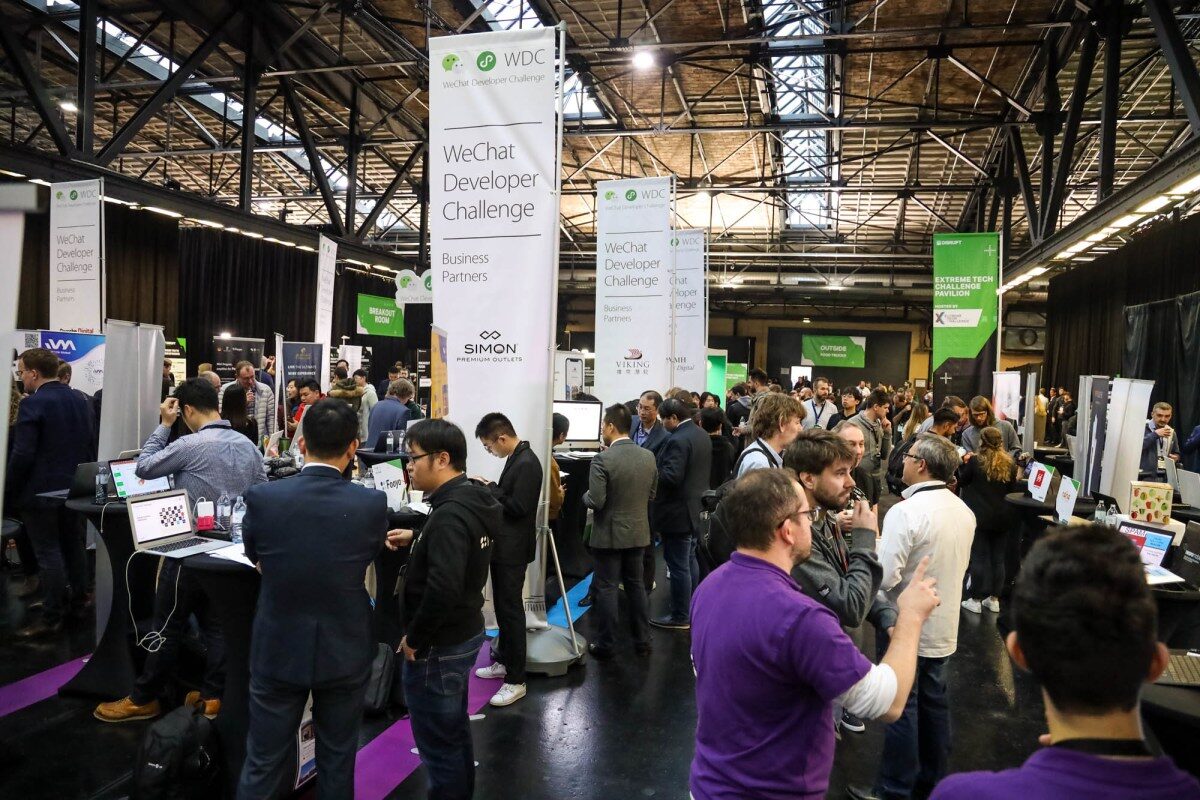
TechCrunch Disrupt 2026 takes place October 13'15 at Moscone West in San Francisco, bringing 10,000+ founders, investors, operators, and tech leaders together for three days of startup-building, fundraising, networking, product discovery, and dealmaking. Attendees come to find customers, investors, partners, talent, and the technologies shaping what's next. Exhibiting puts your team in a high-traffic environment for all three days with a 6' x 30' branded exhibit table where you can demo your product, meet prospects face-to-face, and turn conversations into leads. You can still be a part of Disrupt. Join 10,000+ founders, investors, and tech leaders at TechCrunch Disrupt 2026 from October 13'15 and explore 300+ startups across all industries showcasing in the Expo Hall, six industry stages, high-impact networking including AI-powered matchmaking, and Startup Battlefield 200....

An overwhelming majority of early venture-backed startups utilize a standard four-year vesting schedule with a one-year cliff. It seems like the ultimate one-size-fits-all template. Yet almost no one talks about how this default framework routinely causes bitter legal battles over founder equity, wasting hundreds of thousands of dollars on litigation that could have been avoided. From a VC's perspective, and that of the remaining partners, this is pure dead weight. You now have someone holding 15% to 20% of the equity who is no longer providing any value. Of course, contractually it's theirs, and they've usually earned it. Five to 10 years ago, investors might have tolerated a departed founder holding 5%, 10% or even 20% of the company. Today, that threshold has collapsed. Many VCs will now insist that a former founder hold no more than 2.5% of the cap table. Initially, this usually involves pressuring them to give up shares 'for the goodwill of the company.' When that fails, they sic investors on them, threaten their professional reputation, and sometimes resort to litigation....
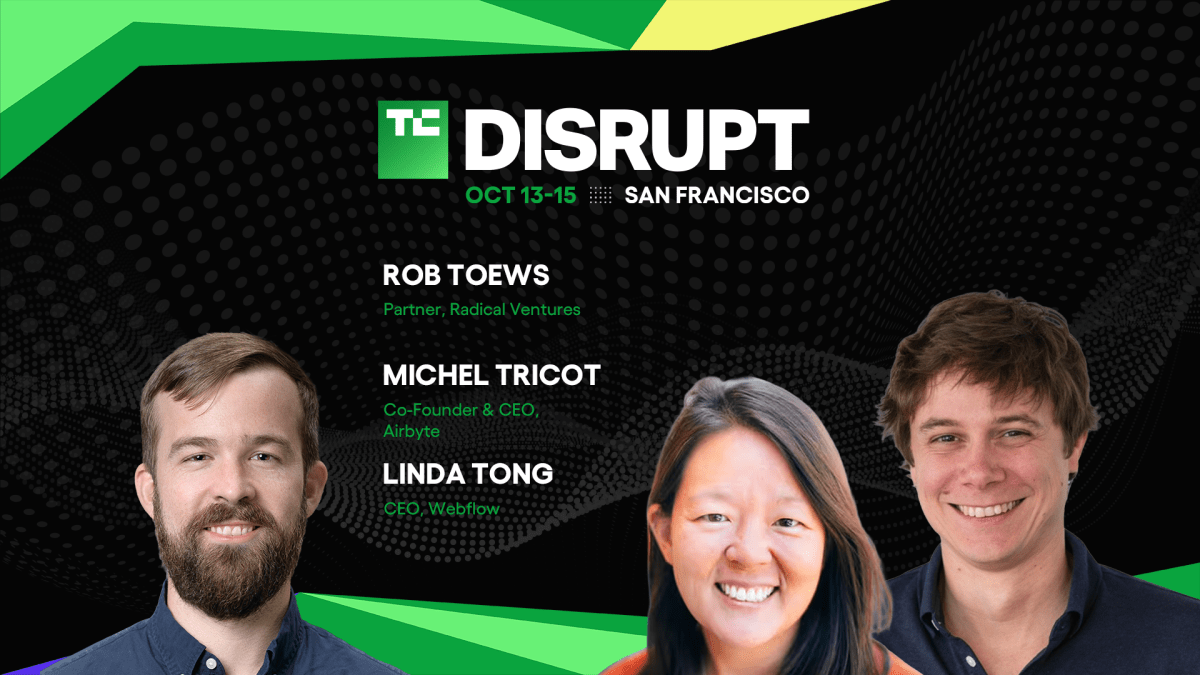
For AI founders, the biggest competitive threat may no longer be another startup. It may be the platform you're building on. Every major release from OpenAI, Anthropic, or Google raises the same question: What happens if the feature you've spent the last year building suddenly becomes part of the platform' It's a question reshaping product strategy, fundraising, and company valuations across the AI ecosystem. Not long ago, founders worried about competing with other startups. Today, they're competing with foundation model companies introducing entirely new capabilities every few months. That changes almost every strategic decision ' from what products to build and where to differentiate to how to raise capital and create lasting value. The conversation moves from 'Can we build it'' to 'Can we still own it'' That's the challenge at the heart of 'What Happens When OpenAI Ships Your Roadmap,' a Builders Stage session featuring leaders Michel Tricot (Airbyte), Rob Toews (Radical Ventures), and Linda Tong (Webflow), at TechCrunch Disrupt 2026, taking place October 13'15 at Moscone West in San Francisco. Disrupt is the flagship startup event where 10,000+ founders, investors, and operators gather for 250+ sessions exploring the market forces reshaping how startups are built, funded, and scaled....