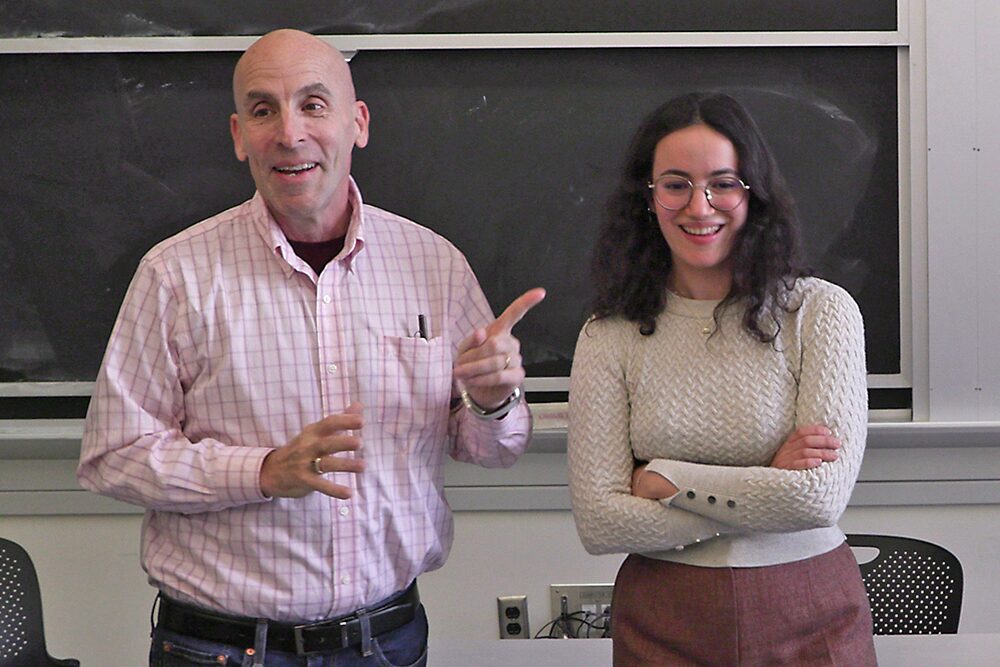
The path to launching and growing a startup can be full of twists and turns. For a budding entrepreneur, gaining perspective from those who have already experienced the journey can be incredibly valuable, and highly inspirational. 'There are so many amazing entrepreneurial stories among our alumni. We want to bring those stories to our students and our community and build networks with our incredible alumni founders,' says John Hart, the Class of 1922 Professor and head of the Department of Mechanical Engineering (MechE). 'Through the Founder's Journey class and other new programs, we want to cultivate interest in entrepreneurship among our students and expand opportunities to bring MechE-born technologies to the world.' According to a 2015 report on MIT's global entrepreneurial impact, there are more than 30,000 active companies founded by MIT alumni worldwide, employing some 4.6 million people. Marina Hatsopoulos SM '93, founding CEO of Z Corp., an early market leader in 3D printing, said one of the aims of the course was to show students they don't need to reinvent everything. 'So much of this has been done before. I want them to understand that this is a well-trod path.'...
Since the first Startup Battlefield Australia in 2017, there have been 26 alumni companies that have collectively raised over $147 million, with three successful acquisitions. They've been backed by some of the world's most respected investors ' including Y Combinator, Blackbird Ventures, Square Peg Capital, Khosla Ventures, Microsoft, AirTree Ventures, Startmate, Techstars, and SOSV. She scouts top founders across 99+ countries and prepares them to pitch on the Disrupt stage in front of tier-one investors and global media. Before TechCrunch, she designed and led international startup acceleration programs across Japan, Korea, Italy, and Spain'connecting global founders with VCs and helping them successfully enter the U.S. market. With a Master's in Entrepreneurship & Disruptive Innovation'and a past life as a professional singer'she brings a blend of strategic rigor and stage presence to help founders craft compelling stories and stand out in crowded markets. Last chance to save up to $190 on TechCrunch Founder Summit. Join 1,000+ founders and VCs at all stages for real-world scaling insights and connections that move the needle.Savings end June 26, 11:59 p.m. PT....
She scouts top founders across 99+ countries and prepares them to pitch on the Disrupt stage in front of tier-one investors and global media. Before TechCrunch, she designed and led international startup acceleration programs across Japan, Korea, Italy, and Spain'connecting global founders with VCs and helping them successfully enter the U.S. market. With a Master's in Entrepreneurship & Disruptive Innovation'and a past life as a professional singer'she brings a blend of strategic rigor and stage presence to help founders craft compelling stories and stand out in crowded markets. Last chance to save up to $190 on TechCrunch Founder Summit. Join 1,000+ founders and VCs at all stages for real-world scaling insights and connections that move the needle.Savings end June 26, 11:59 p.m. PT....
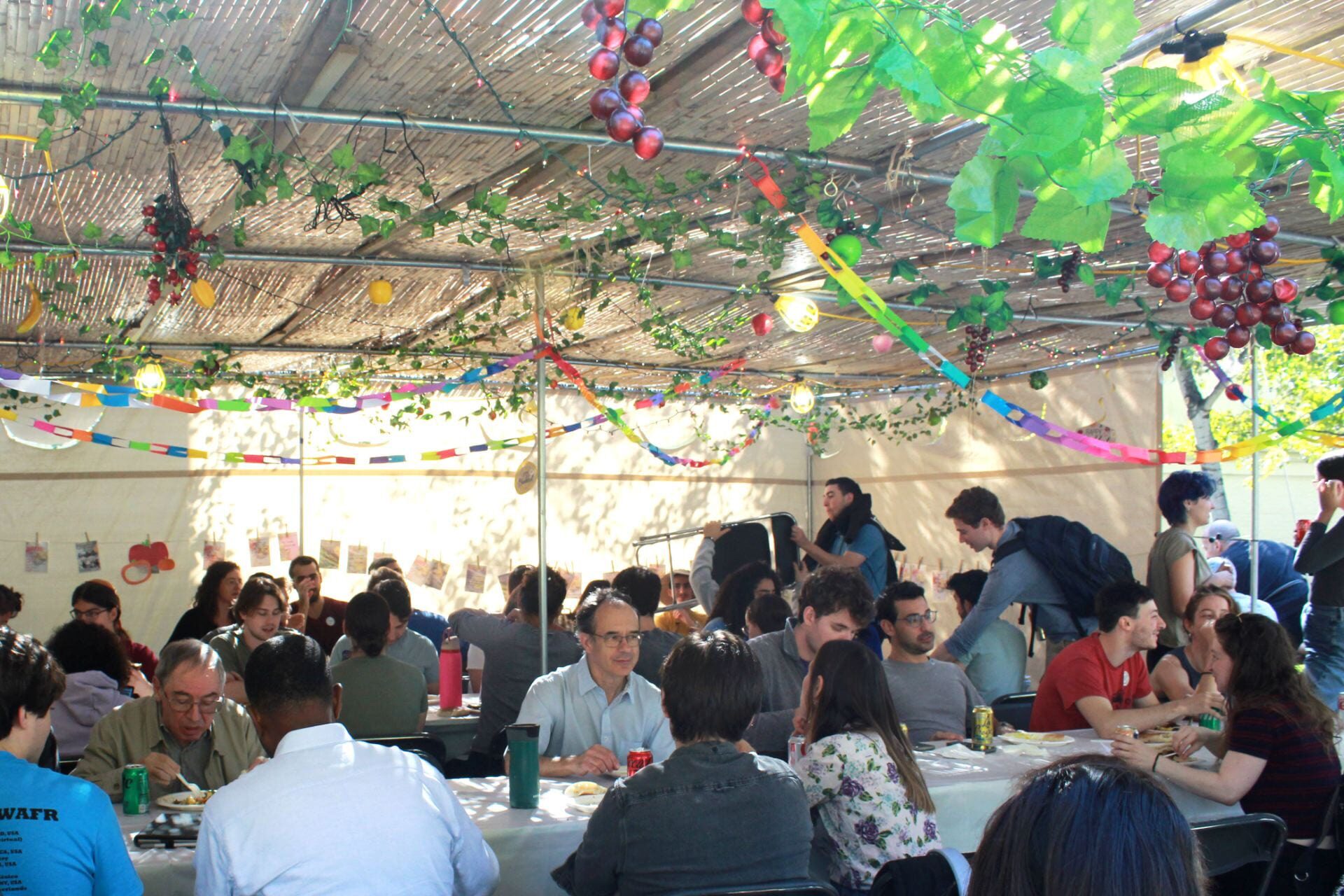
As a new academic year dawns, the MIT-Kalaniyot program is welcoming its second cohort of scholars to campus, expanding an innovative effort to build new connections between MIT and researchers from Israel. In fall 2026, MIT-Kalaniyot has 11 new scholars arriving at MIT to pursue research, collaborating with Institute faculty across a wide variety of disciplines. They consist of seven new Kalaniyot Postdoctoral Fellows and four new Kalaniyot Sabbatical Scholars, who are faculty on leave from institutions in Israel. It is another step forward for a program which, less than two years ago was still an idea on a drawing board. The project aims to enhance research and create stronger community ties ' not only among those connected to the program, but across the MIT campus. 'The goals of the program are to build academic ties between MIT and Israel, alongside a strong, supportive community,' says Or Hen, an MIT nuclear physicist and a co-founder of MIT-Kalaniyot. 'MIT has a mission that revolves around research, education, and entrepreneurship, and MIT-Kalaniyot strengthens MIT, to help meet that mission for the world.'...