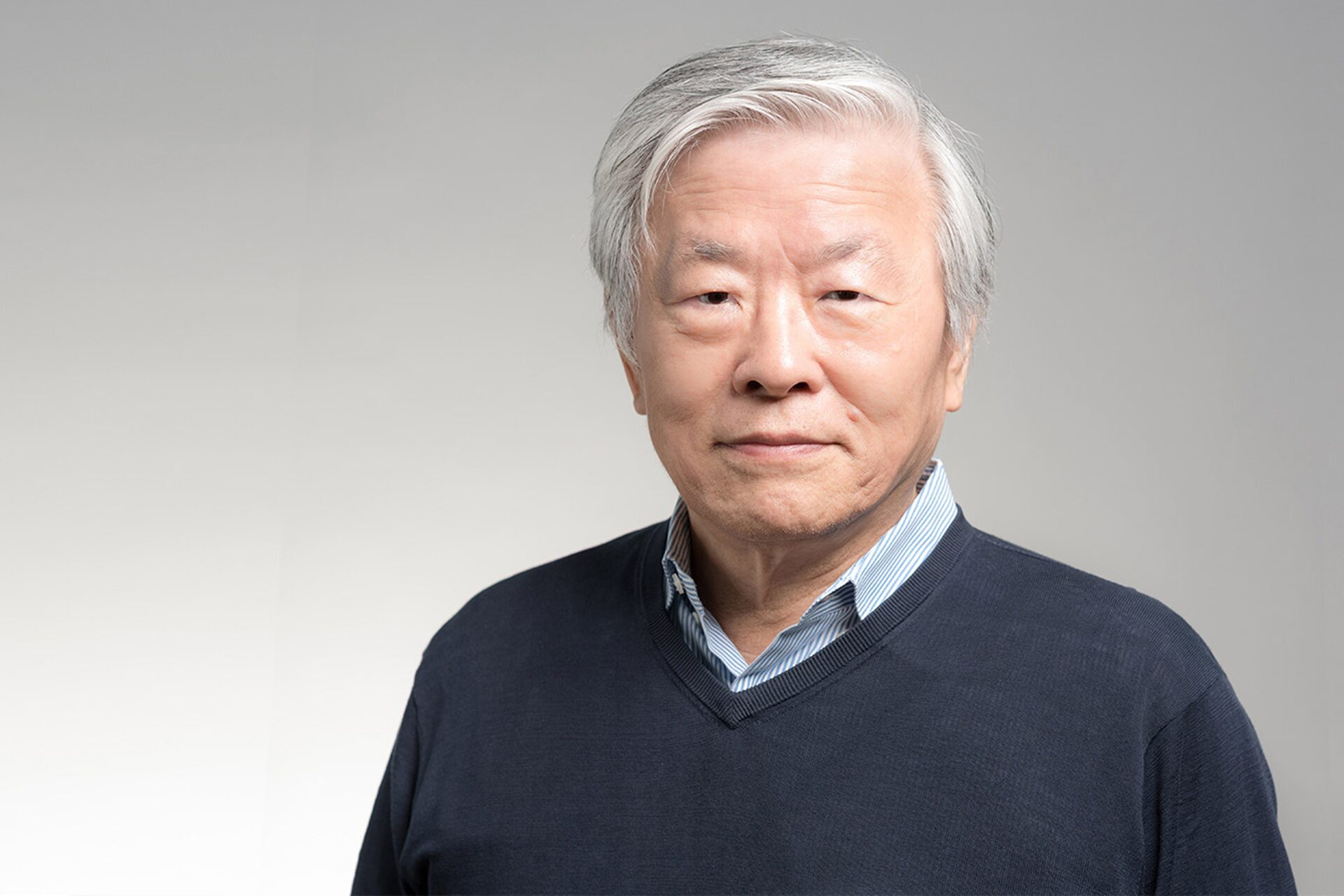
Tonegawa was a renowned molecular biologist who wielded his keen insight in a variety of fields, including immunology and neuroscience. In the early 1980s, Tonegawa discovered how the immune system generates its incredible diversity of antibodies ' a breakthrough that earned him the Nobel Prize in Physiology or Medicine in 1987. An MIT faculty member for more than 40 years, Tonegawa also served as the founding director of MIT's Picower Institute for Learning and Memory and director of the RIKEN Brain Science Institute of Japan, and was a Howard Hughes Medical Institute Investigator. 'Few scientists have reshaped our understanding of biology as profoundly as Susumu Tonegawa,' says Myriam Heiman, director of the Picower Institute. 'His intellectual fearlessness, extraordinary creativity, and relentless pursuit of fundamental questions opened entirely new frontiers in both immunology and neuroscience. His influence on science and on the people who had the privilege of working alongside him is immeasurable.'...
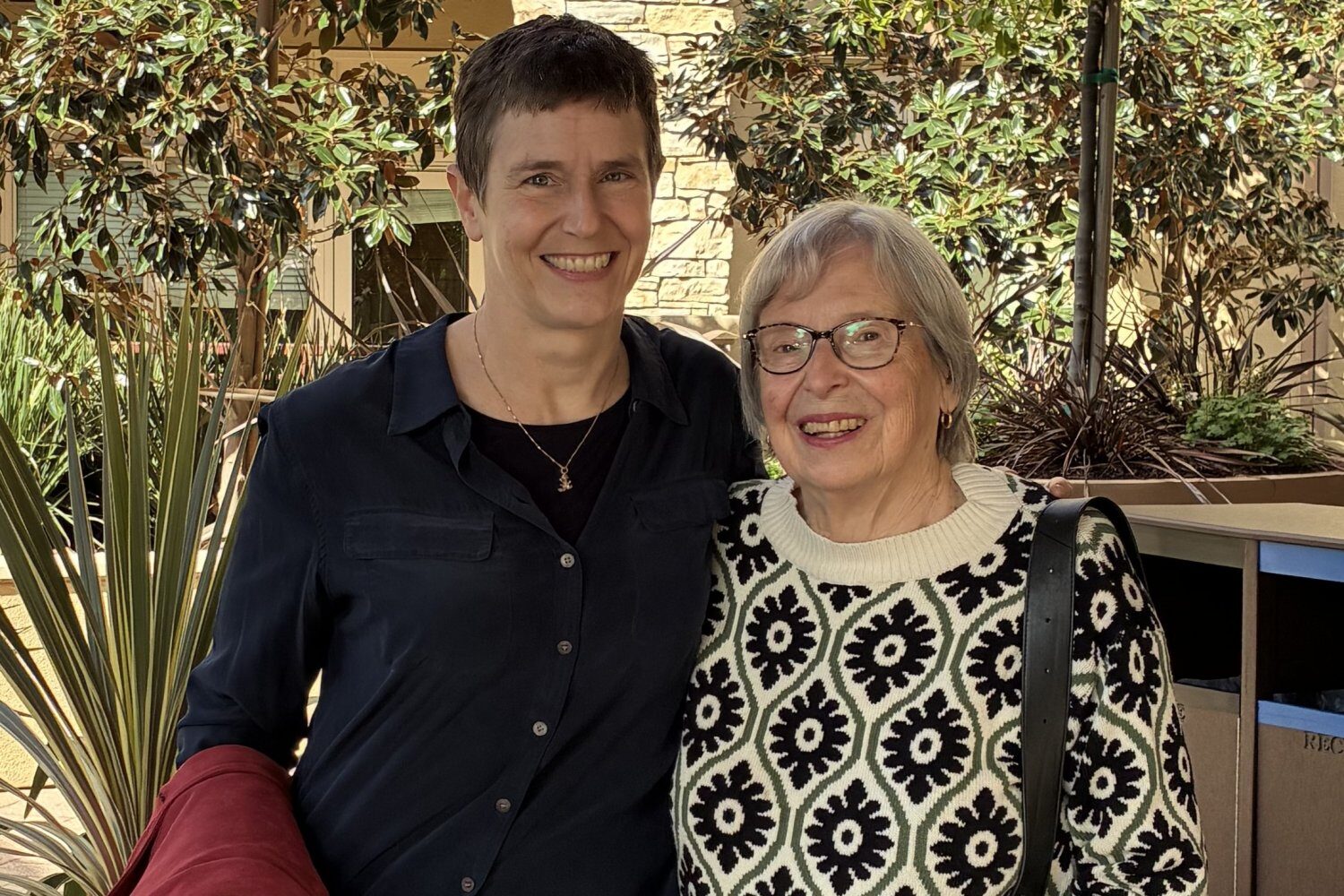
In winter 1997, at age 60, when many researchers might be looking forward to retirement, Harriet Latham Robinson SM '61, PhD '65 was pursuing a faculty position as the chief of microbiology and immunology at the Yerkes National Primate Research Center at Emory University in Atlanta, Georgia. Often, as the only woman in a room throughout much of her career, and in the still-developing and male-dominated field of molecular biology, her colleagues were referred to as 'doctor' or 'professor' at scientific symposia and committee meetings. Robinson was born in 1938, the second of four children, to a mother, Ruth, and a father, Allen, from Ohio and Connecticut, respectively. After finishing grammar school, she attended the Girls' Latin School, a public magnet school for college-bound young women. Although the school offered only two classes in science ' one semester of chemistry and a health class ' Robinson credits her time there for inspiring a lifelong love of learning, especially history and languages....
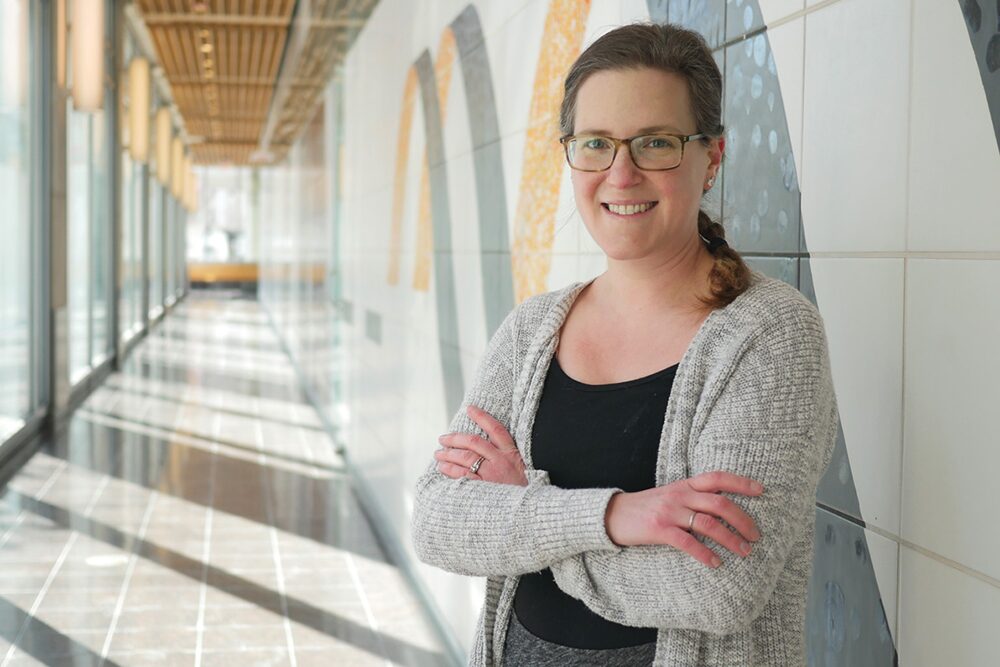
Ringel, who is also a core member of the Ragon Institute of Mass General Brigham, MIT, and Harvard, will draw on her background in cancer immunology to create a more comprehensive biomedical understanding of the cause and possible treatments for aging-related decline. 'It is such an honor to receive this grant,' Ringel says. 'This support will enable us to draw new connections between immunology and aging biology. As the U.S. population grows older, advancing this research is increasingly important, and this line of inquiry is only possible because of the W.M. Keck Foundation.' Understanding how to extend healthy years of life is a fundamental question of biomedical research with wide-ranging societal implications. Although modern science and medicine have greatly expanded global life expectancy, it remains unclear why everyone ages differently; some maintain physical and cognitive fitness well into old age, while others become debilitatingly frail later in life. Our immune systems are adaptable, but they do naturally decline as we get older. One critical component of our immune system is CD8+ T cells, which are known to target and destroy cancerous or damaged cells. As we age, our tissues accumulate cells that can no longer divide. These senescent cells are present throughout our lives, but reach seemingly harmful levels as a normal part of aging, causing tissue damage and diminished resilience under stress....
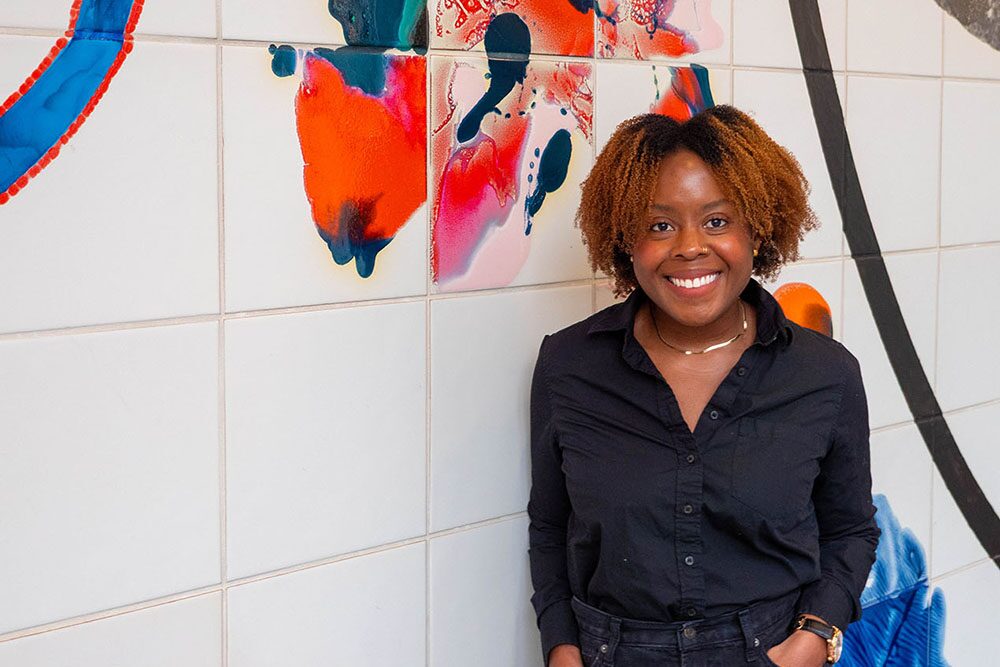
With respiratory illness season in full swing, a bad night's sleep, sore throat, and desire to cancel dinner plans could all be considered hallmark symptoms of the flu, Covid-19 or other illnesses. Although everyone has, at some point, experienced illness and these stereotypical symptoms, the mechanisms that generate them are not well understood. Zuri Sullivan, a new assistant professor in the MIT Department of Biology and core member of the Whitehead Institute for Biomedical Research, works at the interface of neuroscience, microbiology, physiology, and immunology to study the biological workings underlying illness. In this interview, she describes her work on immunity thus far as well as research avenues ' and professional collaborations ' she's excited to explore at MIT. Sickness itself arises from brain-immune system interaction. The immune system is talking to the brain, and then the brain has a system-wide impact on host defense via its ability to have top-down control of physiologic systems and behavior. People might assume that sickness is an unintended consequence of infection, that it happens because your immune system is active, but we hypothesize that it's likely an adaptive process that contributes to host defense....