OpenAI made its Decisions API model widely available to users for the first time, entering the market for fast, cheap intelligence that recently made TypeSafe, a startup founded by a former researcher at the frontier lab, a $7.6 billion company. TypeSafe's Jev model created a category for deep learning models that act as super classifiers: Given a set of options, they can quickly make choices and offer a confidence rating in their decision. Software developers quickly found that these decision or System One models could replace LLMs in a variety of workflows, operating more quickly and a at dramatically lower cost. Nikunj Handa, the product lead for OpenAI's APIs, told TechCrunch that his colleagues saw Jev and said 'wow, we we have like a million use cases for this.' Handa's team sprinted to offer their own version: Rather than building a specifically calibrated decision model, the team took ChatGPT Luna and reconfigured it to speed up the inference and lower the cost. 'The big unlock with Decisions API has been the speed, shrinking things from one to three seconds to 100, 120, 180 milliseconds,' Handa said. 'In the future, we may sort of like have specific training to make our models like even better in these ways. But right now, it's just plain old Luna that gets the job done.'...
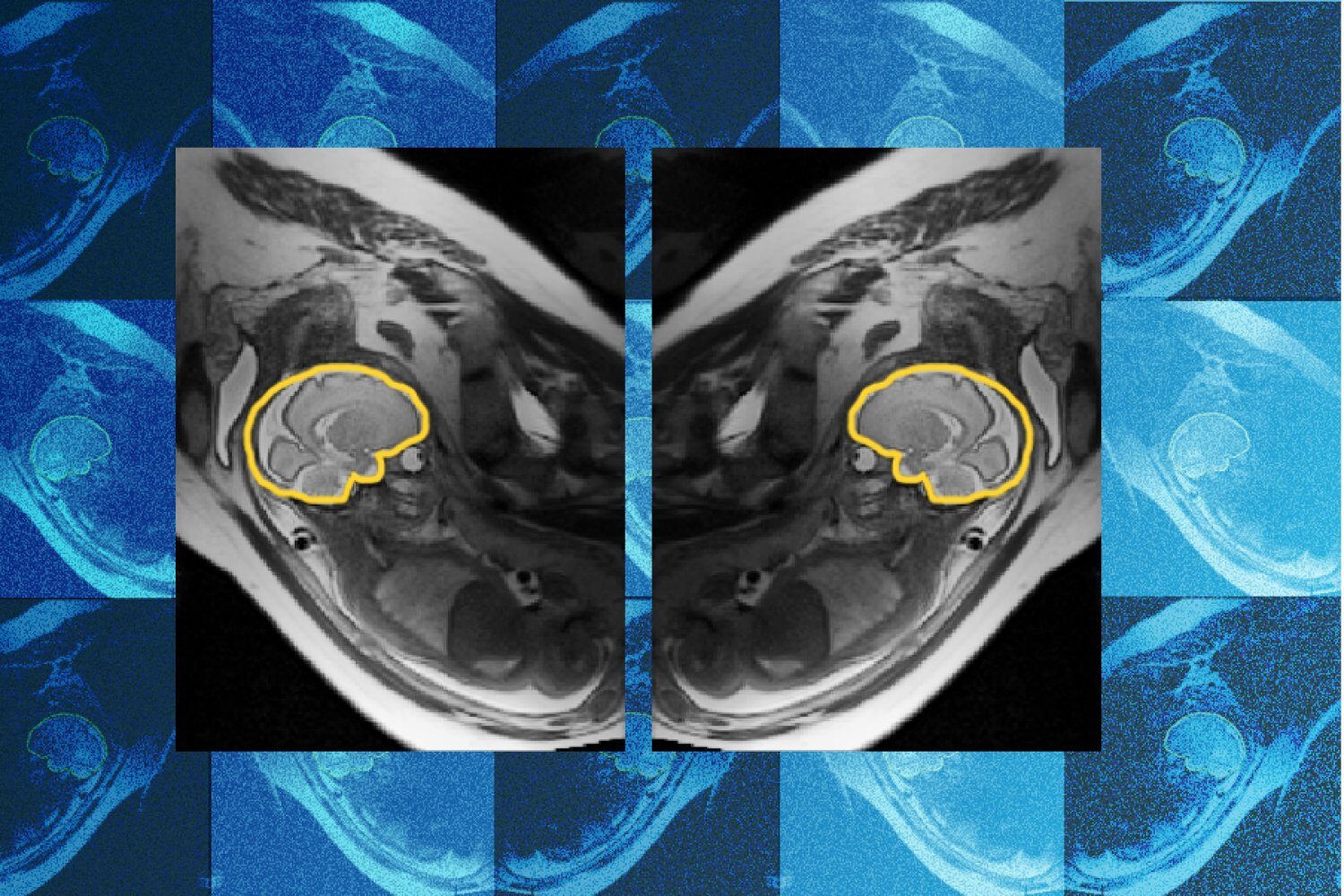
Despite millions of years of evolution, the development of the human fetus remains a complex process that is vulnerable to genetic, environmental, and metabolic disruptions. These disruptions could result in developmental abnormalities, starting with one of the first organs to begin developing in the fetus that continues to develop after birth: the brain. In a routine prenatal ultrasound, the sonographer will flag possible brain abnormalities for additional magnetic resonance imaging (MRI). But imperfect imaging can result in missed or incorrect diagnoses. To assist with the early detection and treatment of these abnormalities, researchers at MIT, Boston Children's Hospital, and Inria have developed and trained a deep learning model called E(3)-Pose that helps image the fetus's head while it's in motion to capture a high-resolution image that the radiologist can examine. A paper about the work was presented at the 2026 European Conference on Computer Vision. 'One of the problems with having the baby move is that the slices are all over the place,' says first author Ramya Muthukrishnan. Muthukrishnan is an MIT PhD student in the lab of Sunlin (1966) and Priscilla Chou Professor of Electrical Engineering and Computer Science Polina Golland, who is a principal investigator at the MIT Abdul Latif Jameel Clinic for Machine Learning in Health (Jameel Clinic) and the MIT Computer Science and Artificial Intelligence Laboratory (CSAIL)....
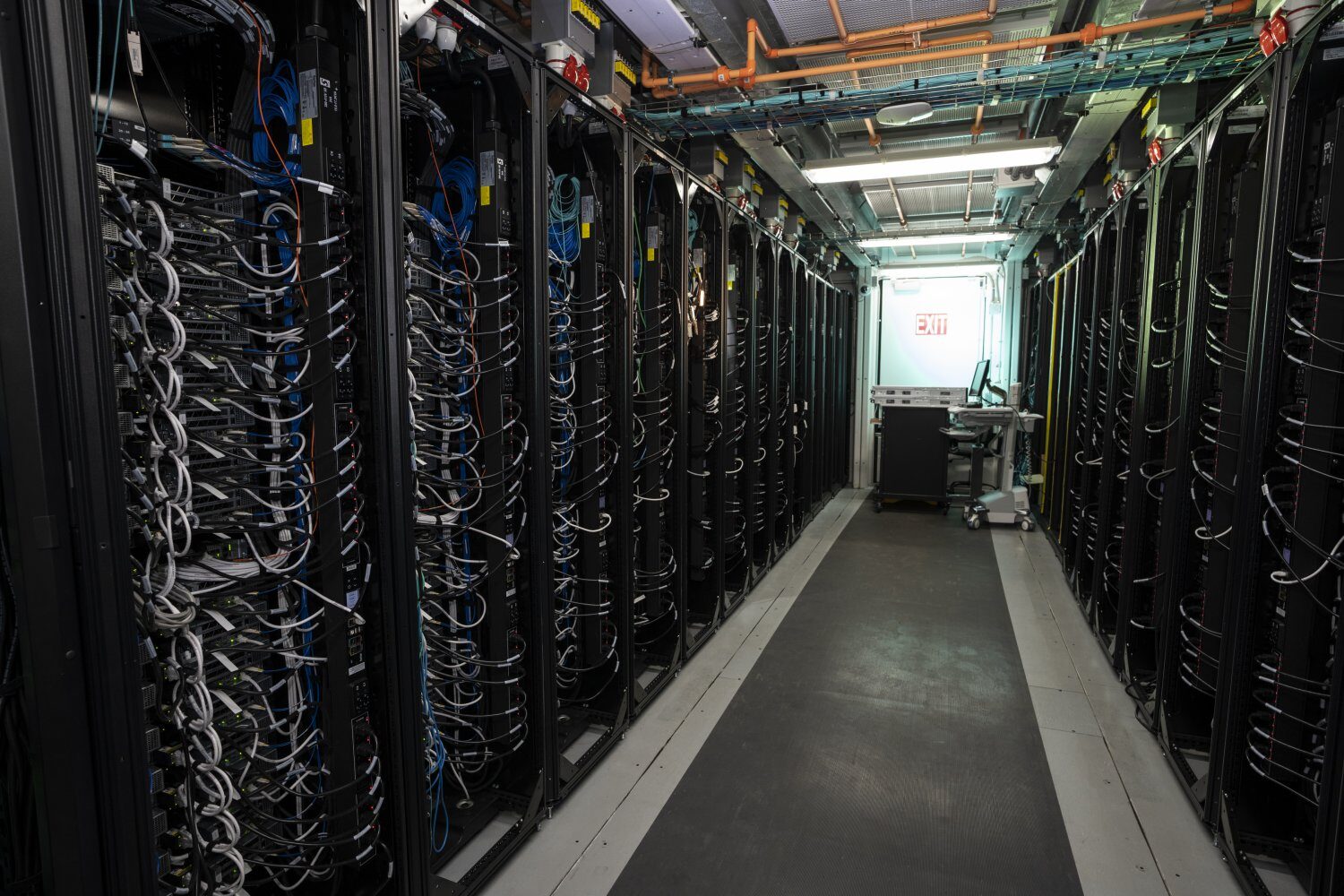
AI accelerators ' specialized systems designed to speed up capabilities such as neural networks, deep learning, and machine learning ' have been a major area of development for nearly a decade. Since 2018, team from the Lincoln Laboratory Supercomputing Center (LLSC) has been conducting the Lincoln AI Computing Survey (LAICS, pronounced "lace"). Six papers later, LAICS continues to summarize current commercial AI accelerators and compare their peak performance and peak power. "About eight years ago, we saw a sharp rise in the number of research AI accelerators described in research papers and commercial accelerators being announced, and we started to get questions about them from government sponsors of the laboratory's work. That was motivation enough to start the survey," says Albert Reuther, a staff member at the LLSC, which operates and optimizes the high-performance computing systems used by thousands of laboratory research staff. Although AI accelerators are frequently used for processes such as machine learning, they also can enable other parallel applications, such as modeling the functions of molecules and speeding up simulations of fluid dynamics ' processes that are very computationally expensive....
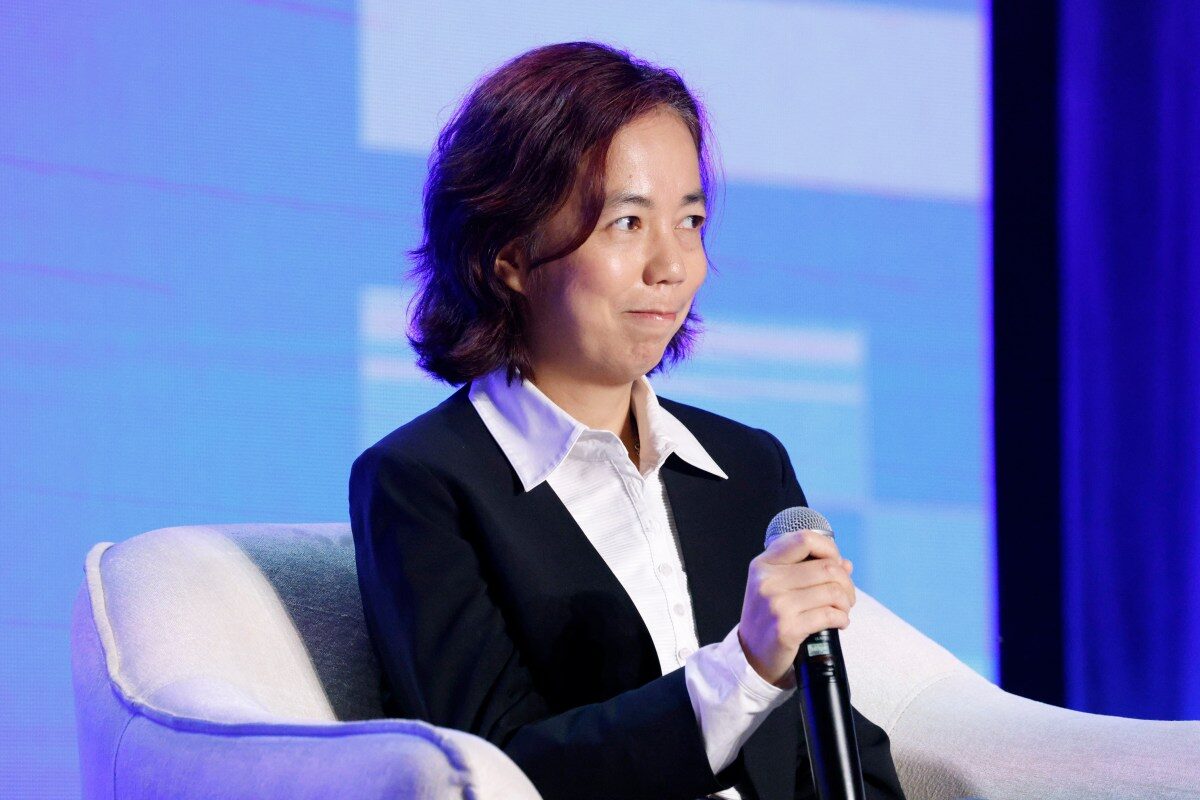
World Labs justified the deal in a statement saying that AI development required 'close collaboration across model research, systems and compute.' AMD, in turn, says that understanding frontier workloads, like those created at World Labs, will shape its chip-making roadmap. The acquisition will see World Labs founder Fei-Fei Li join AMD as executive vice president and chief scientist. AMD and World Labs formed an inference optimization-and-training partnership last year, and ties have remained close. Notably, Li was a guest at AMD's CES presentation earlier this year. Li, a Stanford computer science professor, is considered a pioneer in AI, particularly computer vision, for her work building the ImageNet database and the AI competitions it inspired. In 2024, Li founded World Labs to develop deep learning models with a more robust understanding of the physical world, arguing that true general intelligence required a grounding in physics and the ability to understand and reason about data beyond text....