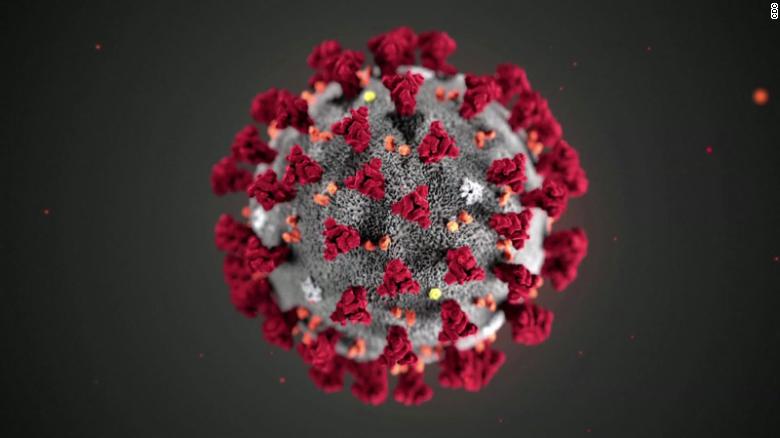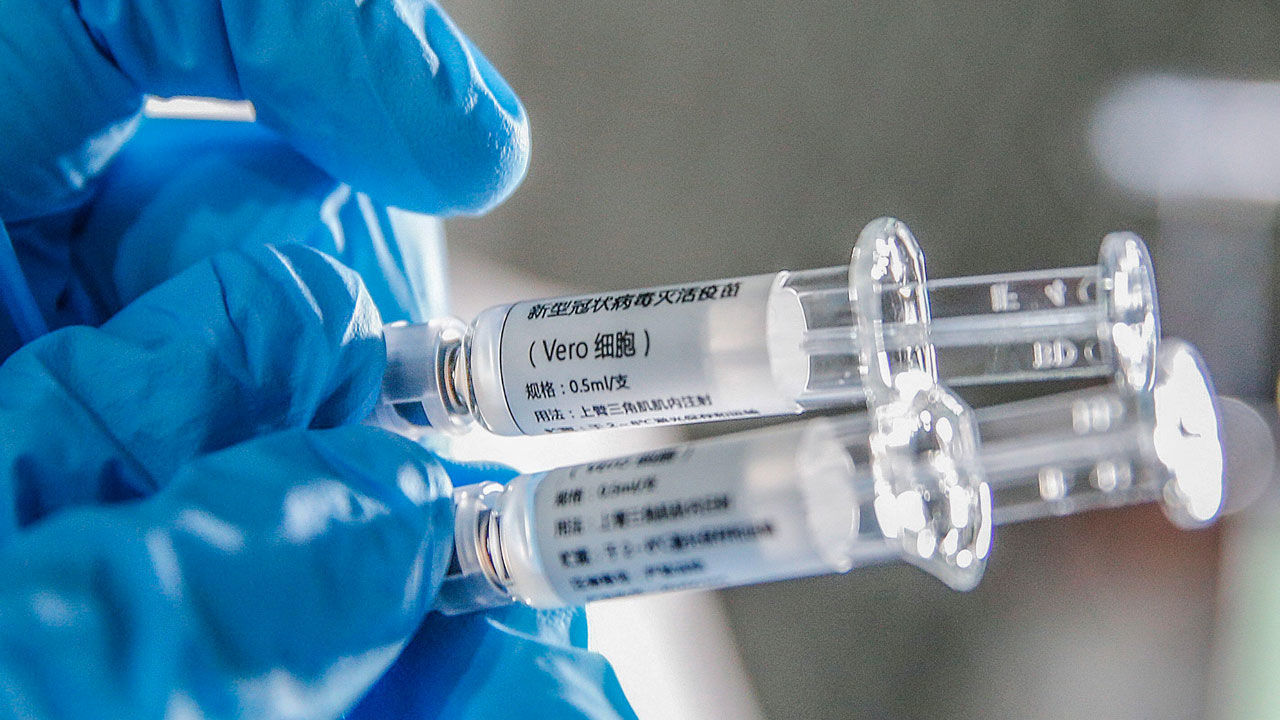
For the first time, one of the many COVID-19 vaccines in development has protected an animal, rhesus macaques, from infection by the new coronavirus, scientists report. The vaccine, an old-fashioned formulation consisting of a chemically inactivated version of the virus, produced no obvious side effects in the monkeys, and human trials began on 16 April.Researchers from Sinovac Biotech, a privately held Beijing-based company, gave two different doses of their COVID-19 vaccine to a total of eight rhesus macaques. Three weeks later, the group introduced SARS-CoV-2, the virus that causes COVID-19, into the monkeysâ lungs through tubes down their tracheas, and none developed a full-blown infection.The monkeys given the highest dose of vaccine had the best response: Seven days after the animals received the virus, researchers could not detect it in the pharynx or lungs of any of them. Some of the lower dosed animals had a âÂÂviral blipâ but also appeared to have controlled the infection, the Sinovac team reports in a paper published on 19 April on the preprint server bioRxiv. (A peer-reviewed version of the study was published on 6 May by Science.) In contrast, four control animals developed high levels of viral RNA in several body parts and severe pneumonia. The results âÂÂgive us a lot of confidenceâ that the vaccine will work in humans, says Meng Weining, SinovacâÂÂs senior director for overseas regulatory affairs....
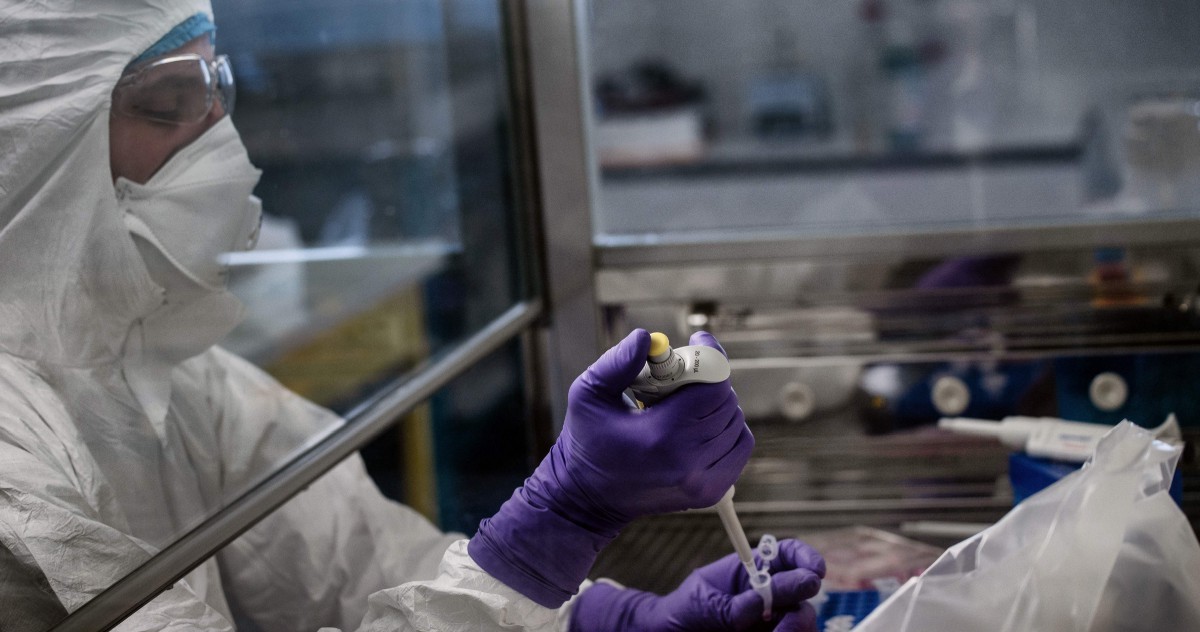
The first major outbreak of a coronavirus was nearly two decades ago. As that strain raged through Asia, there was an immediate effort to develop treatments and vaccines against the novel pathogen. Impressive measures were put into place to curb the spread of the disease and prevent people from contracting it. Vaccines stood as the crown jewel of this effort: to develop a safe and effective one would have been a monumental accomplishment.Roughly a decade later, after the dust had settled on the original SARS outbreak in Asia, a new strain of the coronavirus emerged in the Middle East causing a similar spectrum of disease symptoms. This new strain, now known as MERS-Cov, ran a similar course. Again, a renewed enthusiasm for developing vaccines surfaced.Now, nearly two decades from the original SARS outbreak, we face yet another novel coronavirus outbreak, this time emerging from China. This one has, of course, spread rapidly throughout the globe. This pandemic is reminiscent of the prior two coronavirus outbreaks but dwarfs them in its transmissibility and lethality. Once again, the medical community jumped into action to develop drug treatments and vaccines against the newest strain of coronavirus, now known as SARS-Cov-2 or Covid-19....
We have been keeping you up-to-date with information on the developments in India and the world that have a bearing on our health and wellbeing, our lives and livelihoods, during these difficult times. To enable wide dissemination of news that is in public interest, we have increased the number of articles that can be read free, and extended free trial periods. However, we have a request for those who can afford to subscribe: please do. As we fight disinformation and misinformation, and keep apace with the happenings, we need to commit greater resources to news gathering operations. We promise to deliver quality journalism that stays away from vested interest and political propaganda....
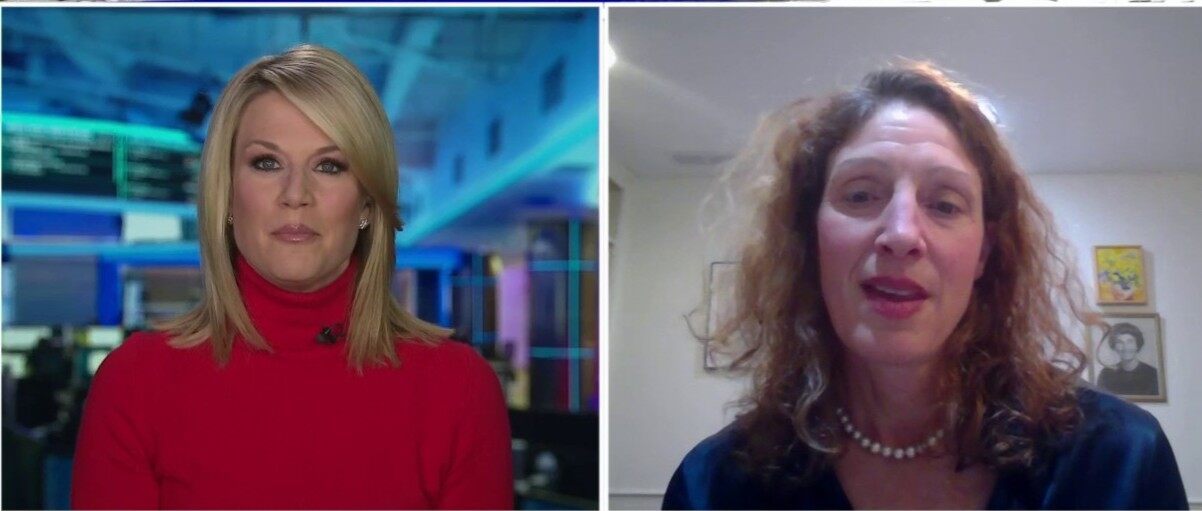
Dr. Beth Shaz, chief medical and scientific officer at the New York Blood Center, joined "The Story" Wednesday night to discuss "promising" efforts to treat coronavirus using the blood plasma of recovered patients."Right now we have a handful [of donors]," Shaz told host Martha MacCallum. "You have to be at least 14 days after [having] symptoms. With the first cases in the New York area [confirmed] on March 1, we are just beginning to get there."Prior to bringing Shaz on the show, MacCallum spotlighted a New York Post report about Long Island mother Diana Berrent, who became one of the first people in New York to donate her blood plasma for treatment efforts....