An MIT-led research program aimed at creating future microsystems capable of sustainably transmitting data with greater bandwidth and higher efficiency than is possible today has made several significant advances since it was established in 2022. These include the invention of devices within systems that can much more easily integrate electronics ' manipulating data with electricity ' with photonics, which does the same with light. The microsystems, the first of their kind, also promise to be cost-effective because, among other advantages, they can be manufactured using existing equipment in traditional electronics foundries and packaging houses. 'Our disruptive electronic-photonic integrated solutions will enable us to leap from [transmitting data at] hundreds of terabits per second to greater than 1 petabit per second,' said Anu Agarwal, who leads MIT's FUTUR-IC, at an April webinar titled, 'Shaping the Future of Semiconductors: Power, Performance, and Possibility.' The event was sponsored by the MIT Industrial Liaison Program and Startup Exchange....
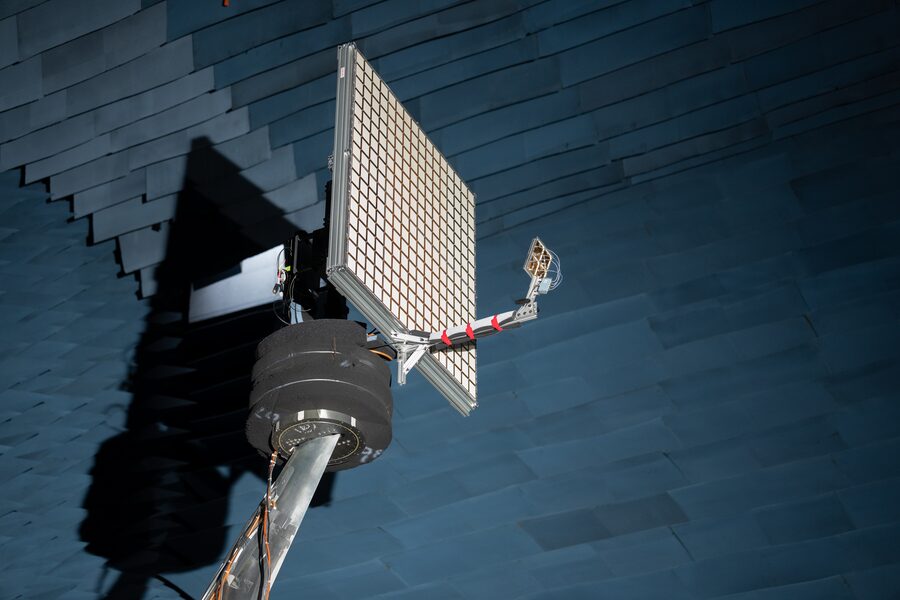
Preventing adversaries from interfering with communications is crucial to national security. Tactical satellite communications (SATCOM) focus on securing reliable communications channels against adversaries in contested environments. In support of this mission, a team from MIT Lincoln Laboratory is building a prototype antenna characterized by low size, weight, power, and cost (SWaP-C). Threats in contested environments ' specifically proliferated low Earth orbit (pLEO), where satellites must be as low-SWaP as possible because of the high volume of satellites present ' are signal jamming and signals intelligence. Mitigating these threats through methods such as changing the shape of antenna beams in real time so that the ground user's signals can't be interfered with, and preparing for future advanced capabilities, are key to ensuring that satellites stay in communication with users on the ground. "Looking toward the future challenges of tactical SATCOM, there is a clear need for novel approaches to radio-frequency (RF) aperture designs that are scalable and low SWaP-C without sacrificing functionality," says Michael Craton, a technical staff member in Lincoln Laboratory's Tactical Satellite Communications Group. "That is, we want to think about ways we can achieve exquisite performance using less-expensive hardware. We want to anticipate future threats and have an idea about how to deal with them before they become a problem."...
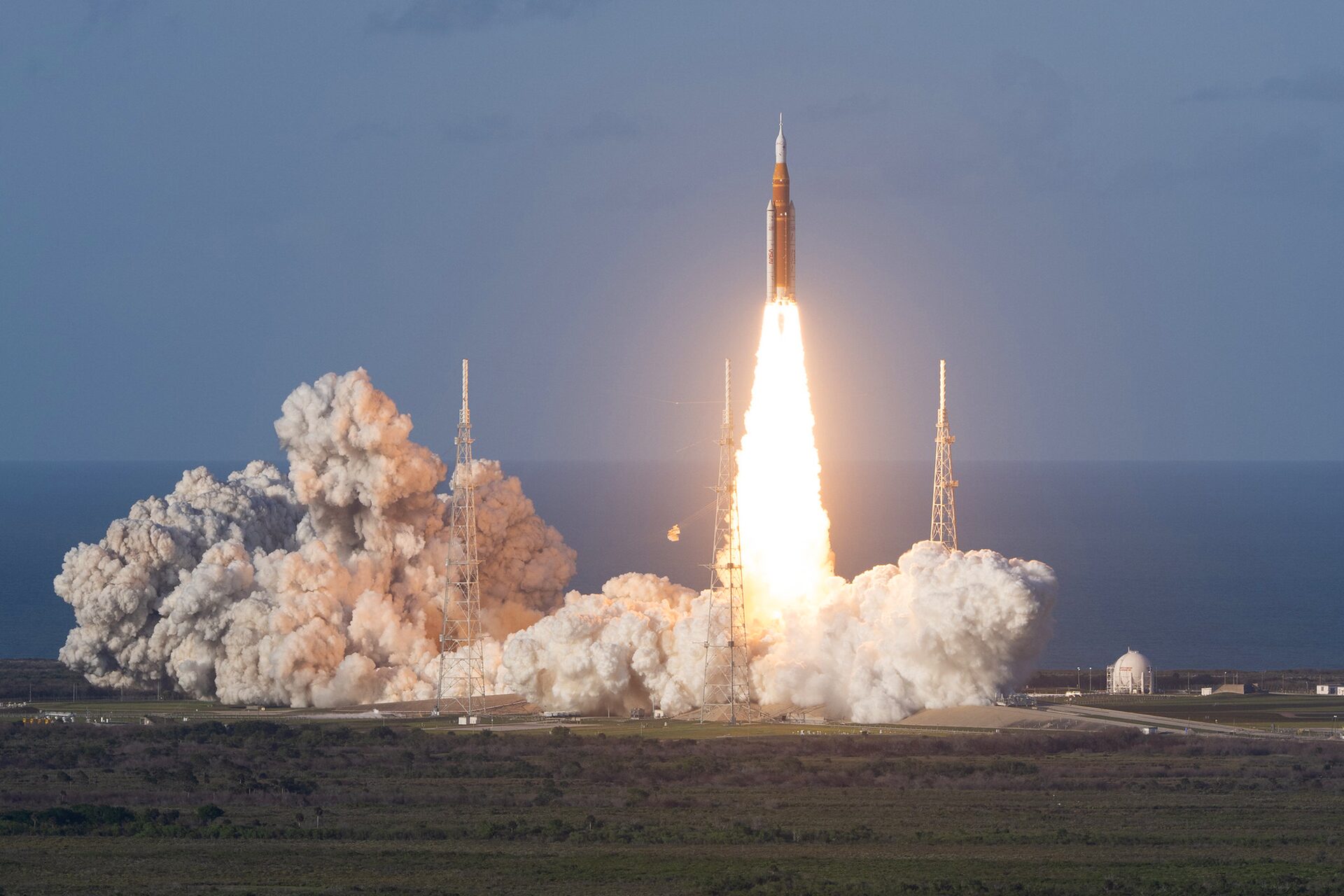
In 1969, Apollo 11 astronaut Neil Armstrong stepped onto the moon's surface ' a momentous engineering and science feat marked by his iconic words: "That's one small step for man, one giant leap for mankind." Now, NASA is making history again. With the successful launch of NASA's Artemis II mission yesterday, four astronauts are set to become the first humans to travel to the moon in more than 50 years. In 2022, the uncrewed Artemis I mission demonstrated that NASA's new Orion spacecraft could travel farther into space than ever before and return safely to Earth. Building on that success, the 10-day Artemis II mission will pave the way for future Artemis missions, which aim to land astronauts on the moon to prepare for a lasting lunar presence, and eventually human missions to Mars. As it orbits the moon, the Orion spacecraft will carry an optical (laser) communications system developed at MIT Lincoln Laboratory in collaboration with NASA Goddard Space Flight Center. Called the Orion Artemis II Optical Communications System (O2O), the system is capable of higher-bandwidth data transmissions from space compared to traditional radio-frequency (RF) systems. During the Artemis II mission, O2O will use laser beams to send high-resolution video and images of the lunar surface down to Earth....
Accel-KKR, which first backed Smart Communications in 2016 following its carve-out from Thunderhead, will retain a minority stake in the business. During their nine-year partnership, Smart achieved over 5x revenue growth and completed three international acquisitions, expanding its presence across North America, Australia, the DACH region, and the Nordics. 'We have been delighted to work with the outstanding Smart Communications management team' and look forward to continuing to participate in the company's growth,' said Tom Barnds, Co-Managing Partner at Accel-KKR. Smart Communications' flagship platform, Conversation Cloud', is designed for regulated enterprises across industries such as insurance, healthcare, and financial services. The platform supports over 60 billion customer communications globally and integrates with major systems including Salesforce, Guidewire, and Pega. Accel-KKR has now completed nearly 90 software deals in Europe, with recent exits including JAGGAER, Kerridge Commercial Systems, and Episerver. The transaction remains subject to customary regulatory approvals and closing conditions....