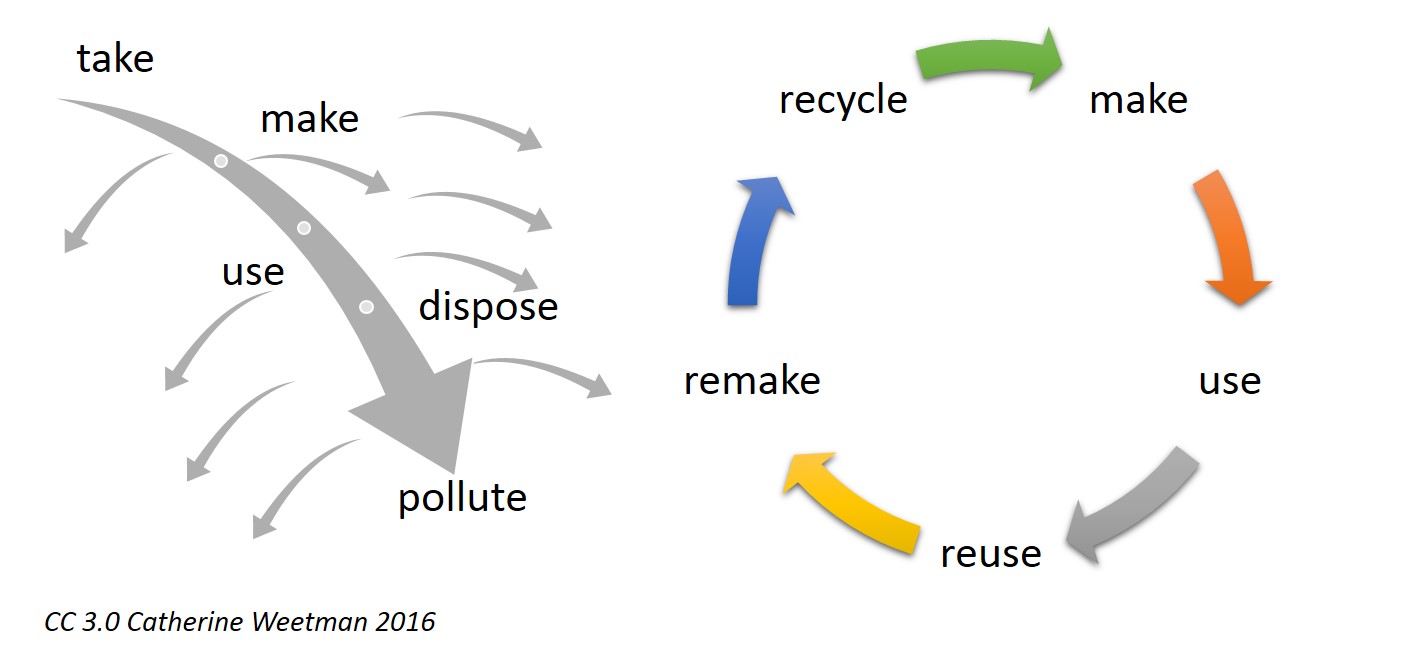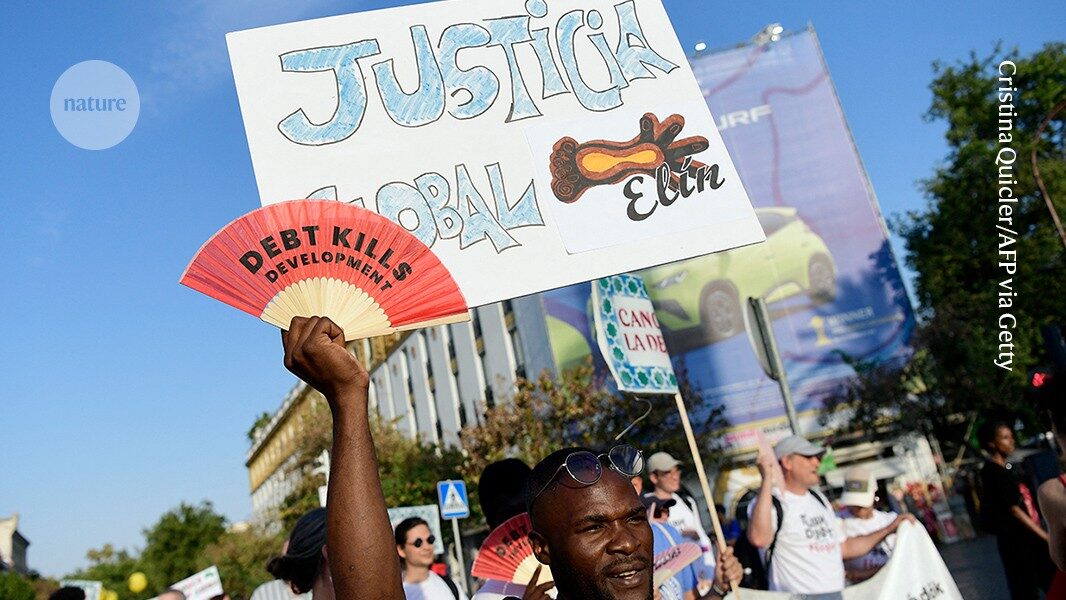
Imagine a world in which nearly 90% of the population earns twice as much, while working half as many hours as they do today. One in which the poorest half's share of global wealth increases, while billionaires' share decreases. All while capping global warming at 1.8 'C above pre-industrial levels by 2100. That's the vision laid out by researchers at the Paris-based World Inequality Lab in their Global Justice Report, a modelling study released last month1. The report proposes financing the plan through global taxes on the very rich, with revenues going into a fund to support health, education and the shift to sustainable development, including transitioning from fossil fuels to renewable energy. It also proposes the creation of a new international currency to end some of the financial advantages that wealthy countries enjoy at the expense of poor ones. Another report, presented to the United Nations last month, goes further. The Roadmap for Eradicating Poverty Beyond Growth2 calls for escaping the 'trap of growthism', the idea that progress depends on continuously increasing gross domestic product (GDP). It has been endorsed by more than 1,000 signatories, including the Nobel laureate economist Joseph Stiglitz at Columbia University in New York City....
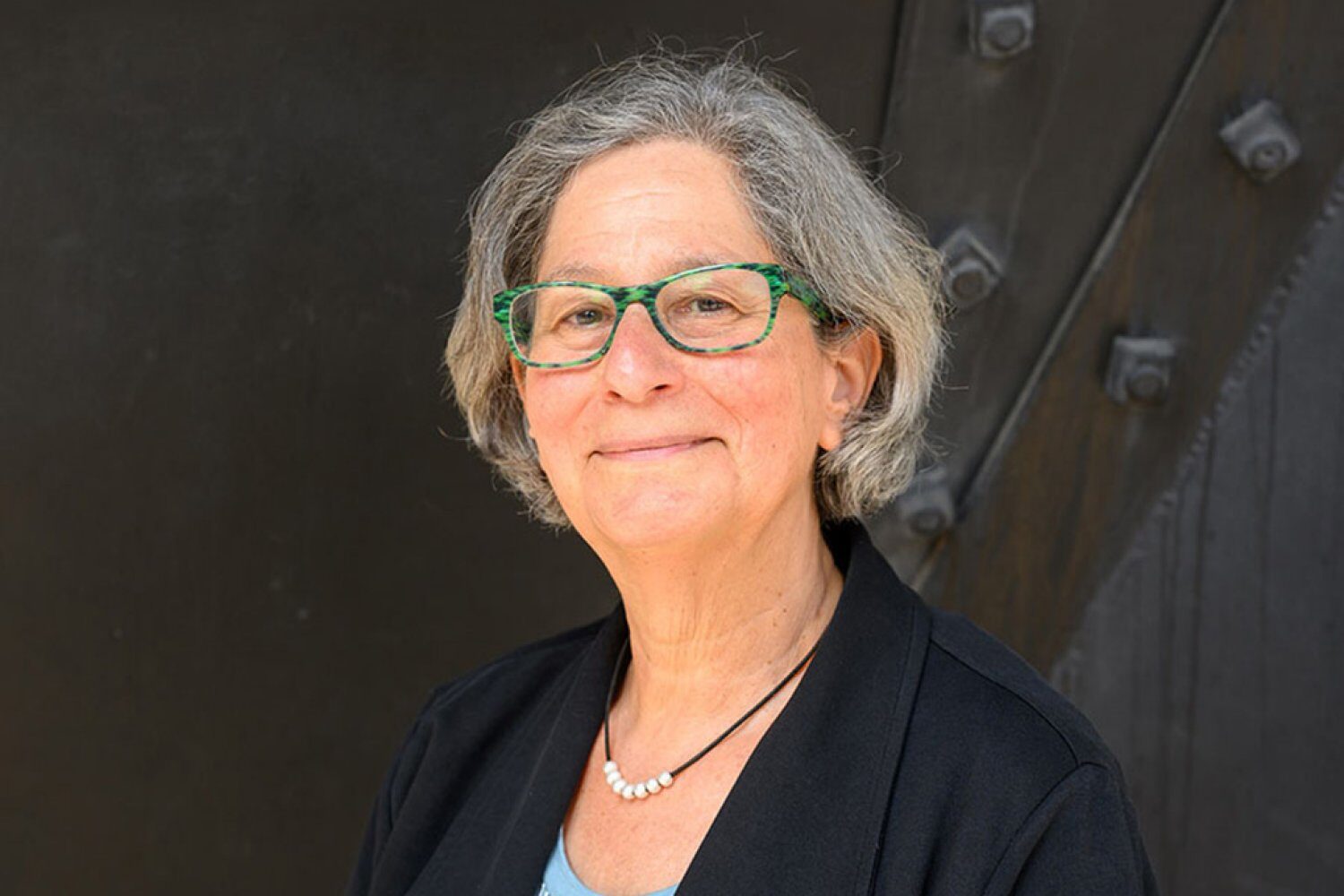
Susan Solomon, the Lee and Geraldine Professor of Environmental Studies at MIT, has been named the 2026 Tang Prize Laureate in Sustainable Development for 'groundbreaking advances and leadership in atmospheric and climate sciences that shaped global policy for Sustainable Development,' according to the Tang Prize Foundation. The Tang Prize is a biennial international award granted by judges convened by Academia Sinica, Taiwan's top academic research institution, and recognizes four fields of research: sustainable development, biopharmaceutical science, sinology, and rule of law. 'The Tang Prize is one of the most prestigious awards in environmental science, and it's flooring to anyone to learn that they received it,' says Solomon, who holds joint appointments in the MIT departments of Chemistry and Earth, Atmospheric and Planetary Sciences (EAPS). 'It's a tremendous, tremendous honor, and I'll try to live up to it.' Solomon began her career at the National Oceanic and Atmospheric Administration. In 1985, scientists discovered an unexpected 'hole' in the ozone layer of the atmosphere above Antarctica. Ozone, a gas made of three oxygen atoms, helps filter out ultraviolet radiation from the sun that would otherwise damage living organisms, with impacts such as increasing rates of skin cancer and cataracts. The following year Solomon, then 30, published a paper proposing a novel chemical mechanism that might explain the mysterious hole. In the same year, she led a team of 16 scientists to take direct measurements of the degradation of the ozone layer, as the only woman in the expedition. Their findings were the first measurements to show that chlorofluorocarbons (CFCs), compounds used in common items such as aerosols and cooling systems, were indeed destroying ozone in the stratosphere....

About 2 billion people ' just under a quarter of the world's population ' lack regular access to clean drinking water. And roughly 800,000 people annually die from illnesses associated with unsanitary water. Drinking water access is a fundamental problem for human and economic development. The U.N., for instance, highlighted the issue in its Sustainable Development Goals of 2015, an ambitious 17-point agenda that specified safe drinking water as a basic global aim. Past research shows that democracies, in comparison to other forms of government, tend to be more successful at delivering this kind of public good, which benefits a large portion of the population. This is likely due to accountability measures that include elections, greater transparency, and more freedom in civil society. But now a study led by an MIT professor shows that across nearly 100 countries with developing economies, that dynamic has become more complex in the 21st century. While democracies are slightly ahead of non-democracies when it comes to providing at least some water, they have been falling behind when it comes to ensuring that there is safe water on tap....
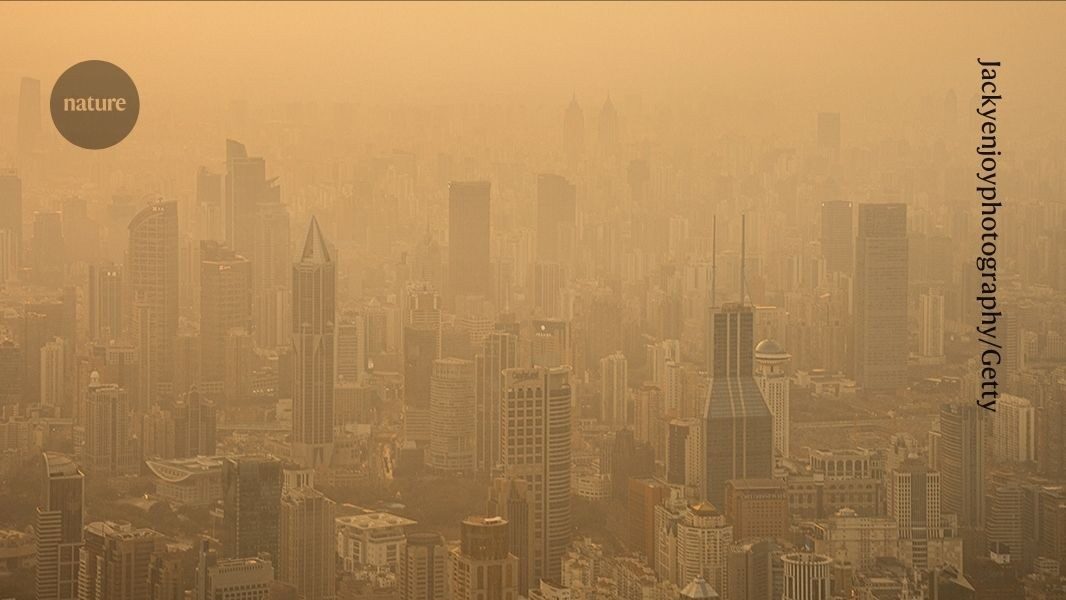
The proposed new annual indicators include economic metrics such as household disposable income per person, and environmental data such as a country's greenhouse gas emissions and levels of particulate matter in the air. Also included are health and education indicators such as life expectancy and children's performance in reading and maths; as well as measures of wellbeing such as the proportion of women and girls subjected to physical and/or sexual violence. Fifteen of the 31 proposed indicators are already part of indicators for the UN's Sustainable Development Goals (SDGs). The new indicators are in a report, Counting What Counts, written by a multidisciplinary committee of researchers and policymakers, co- chaired by economists Kaushik Basu, based at Cornell University in Ithaca, New York, and Nora Lustig at Tulane University in New Orleans. The group was assembled last year by UN Secretary General Antonio Guterres. Attempts to dethrone GDP, including by the UN, go back at least three decades but this is the first time that a UN chief has responded to such a request from member states. Speaking at a launch event at UN headquarters in New York City on 7 May, Guterres called the report a 'landmark step in correcting a longstanding blind spot in measuring progress'....