At a time when misinformation is rife and many seem to be questioning scientific evidence, do people really trust scientists' In the United Kingdom, the answer is mostly yes, finds a study led by the Policy Institute at King's College London and Sense about Science, a charity based in London. To explore what drives trust and distrust of scientists, the researchers used regression modelling to identify factors most strongly associated with trust. The most influential factors were whether respondents felt that scientists are "on the side of people like them" and whether they thought of scientists as open and transparent. Both outweighed perceptions of scientific expertise. Previous research has shown that benevolence ' the idea that researchers care about society and want to do good ' is a core pillar of public trust in science1. Now Bobby Duffy, director of the Policy Institute at King's College London and one of the authors of the UK study, says that the work reveals that trust in scientists was less associated with scientists being eager to work for the good of society in general (12%) and had more to do with whether they are on the side of people like the respondent (21%)....
Decades ago, it was a truism that the 24/7 news cycle exercised a malign influence on policy making. It kept senior leaders fixated on a flickering television screen when their time would have been better spent weighing evidence, debating alternatives, and considering opposing views. All true. But today we contend with 24/7 commentary, which is so ubiquitous that we barely notice it, even as it causes a kind of dry rot of our good judgment. Supporters of the Trump administration's war against Iran periodically complain that much of the criticism the administration faces is as ludicrous as denouncing Franklin D. Roosevelt's war leadership in April 1942 would have been, before Midway, Guadalcanal, and the North Africa landings. They have no record of extending that sort of charity to previous administrations, but that does not invalidate the larger point. The 24/7 commentary treadmill means that certain simplifying words get used over and over. But in war, above all things, realities are almost invariably complex. Take the very word war. Advocates and critics of the Iran conflict assume, without question, that this is a war that began on February 28, and that it was launched by President Trump and Israeli Prime Minister Benjamin Netanyahu....
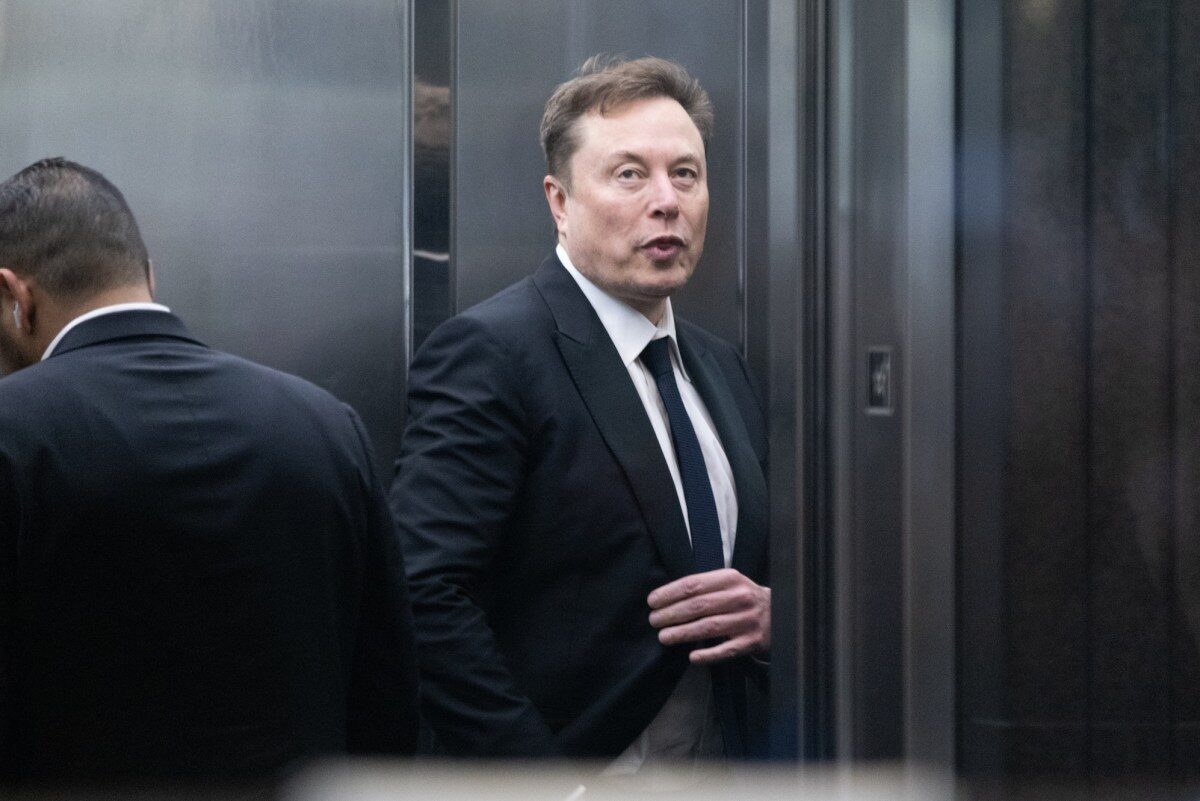
The jury's speedy decision to reject Elon Musk's lawsuit against the other founders of OpenAI and Microsoft confirmed what we saw in the courtroom: Musk's case was a weak one, in part because he waited so long to file it. Watching the closing arguments last week, OpenAI's attorneys detailed point by point how the law was on their client's side, while the plaintiff's team focused on Sam Altman's apparent lack of credibility and expressed disbelief that anyone would disagree with Musk's accusations. The final effect was that, after the verdict, some found it hard to believe Musk had lost ' including the man himself. In a post he later deleted, Musk called Judge Yvonne Gonzalez Rogers a 'terrible activist Oakland judge,' then announced his plans to appeal, declaring, 'There is no question to anyone following the case in detail that Altman & Brockman did in fact enrich themselves by stealing a charity.' But Altman and Brockman weren't the only figures who benefited from OpenAI's non-profit investments. As much as Musk and his legal team tried to make the trial about Altman, the proceedings revealed just as much about Musk....
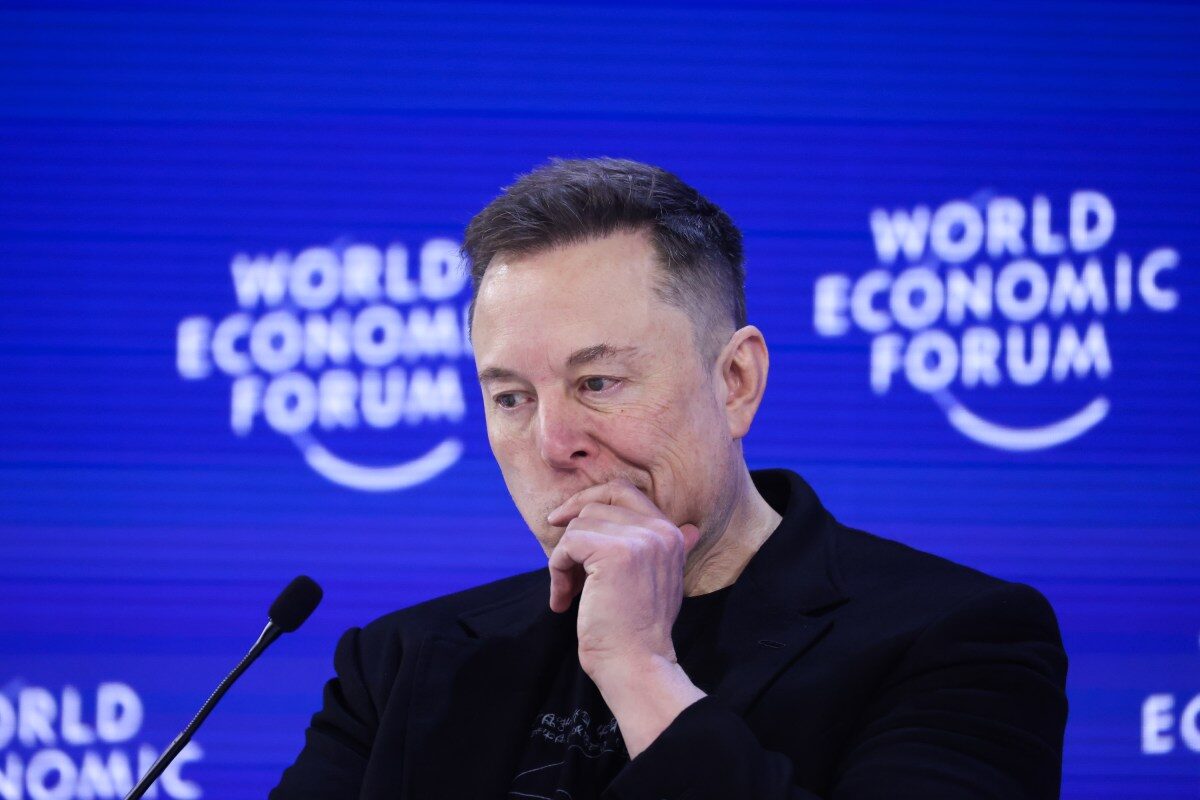
Musk accused Sam Altman, Greg Brockman, OpenAI, and Microsoft of 'stealing a charity' by creating a for-profit affiliate of the frontier AI lab. Jurors, however, found that any harms that Musk may have suffered came before the deadline for filing his claims under the law. While the trial delved deeply into the melodramatic history of OpenAI and featured testimony from leading figures in Silicon Valley, it ultimately turned on fairly narrow questions of the law. The trial focused on whether and when Altman and the other defendants had made and broken promises to Musk, but his case failed to convince jurors that he had a valid claim. In particular, OpenAI had advanced a statute of limitations defense, which sought to prove that any harms Musk sought to litigate had taken place before 2021. (The specific date varied by the charge: before August 5, 2021, for the first count; August 5, 2022, for the second count; and November 14, 2021, for the third count.) Ultimately, the jury found that argument persuasive, which made for a short deliberation period....