
Manipulable molecular biology sets developed over some 25 years by Kathy Vandiver, Edgerton's life science project leader as well as director of community outreach education and engagement in the MIT Department of Biological Engineering, have scaled all the way from a gallery-classroom at the MIT Museum to every biology classroom in Worcester Public Schools in Massachusetts. Worcester is the second-largest district in the commonwealth, and its connection to the MIT Edgerton Center traces back to one high school teacher's transformative learning experience. David Mangus first encountered the hands-on molecular biology sets at a Massachusetts Association of Science Teachers (MAST) conference, where he participated in an MIT workshop and explored the materials firsthand. Later, when he became science curriculum specialist for Worcester Public Schools, he recognized their potential to advance high-quality science education across the district, and he was in a position to implement the curriculum at scale....
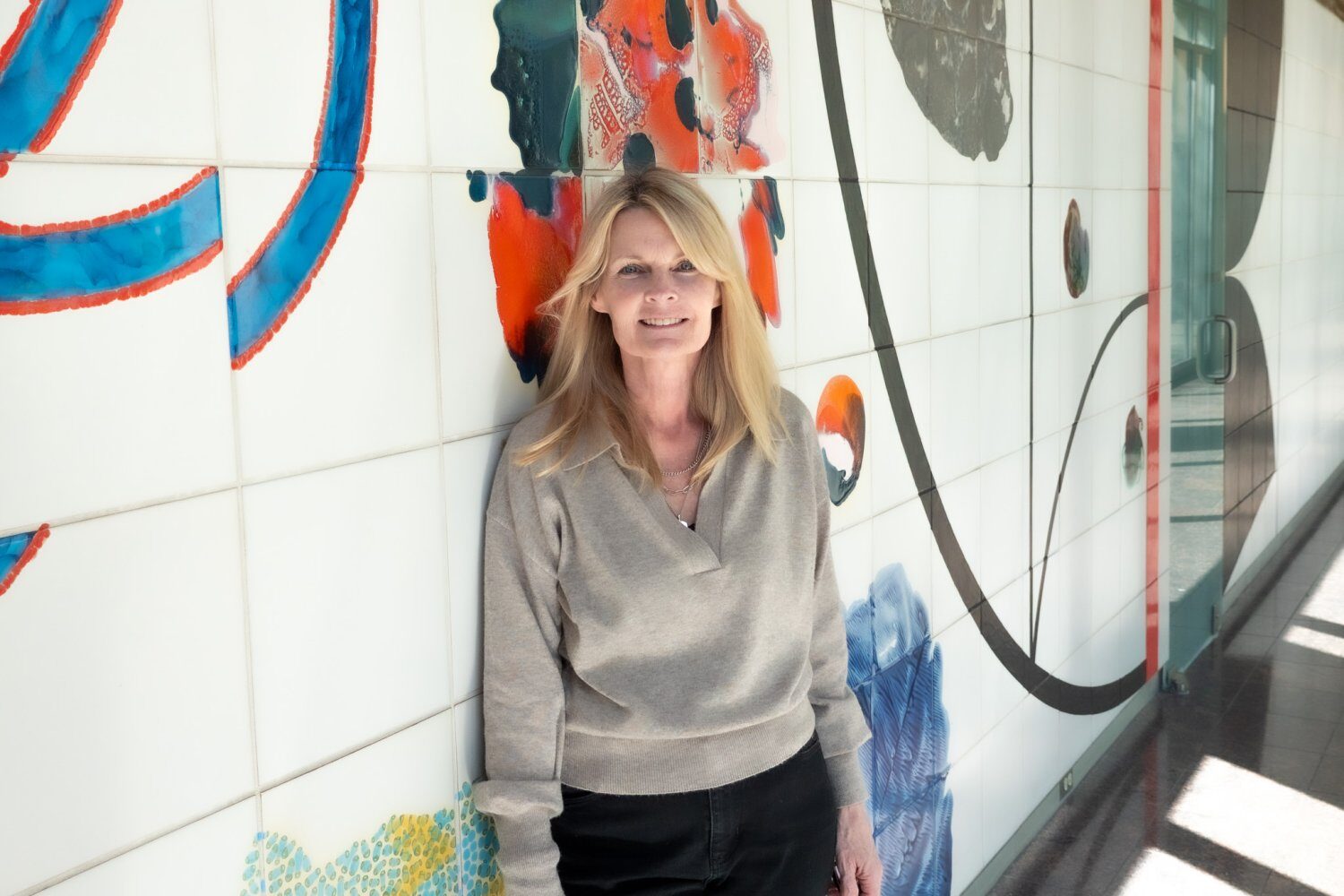
O'Leary admits she did not always possess such confidence. In almost 40 years at MIT, O'Leary has grown into this critical role for the department, and the department itself has evolved, moving into a brand-new building and away from previously standard practices like submerging equipment in acid for sterilization. On Sept. 7, 1987, Karen O'Leary joined the MIT community as a staff member for the first time. The 18-year-old was fresh from vocational high school, where she studied cosmetology but felt too shy to pursue that as a career. She was also nervous about joining a research institution. Too embarrassed to admit in her interview that she couldn't remember her brand-new home phone number, 'I just made one up.' Fortunately, this didn't prevent her from getting the job, where she worked under the mentorship of Thelma Watkins, who would retire in 1996 after 21 years at MIT. Watkins was critical for instilling a good work ethic and boosting O'Leary's confidence. Although washing glassware is a perennial task, safety and efficiency have come a long way in the past 38 years. More-effective autoclaves and dishwashers have eliminated steps like steaming to dissolve agar solvents before autoclaving, and scrubbing individual test tubes before washing....
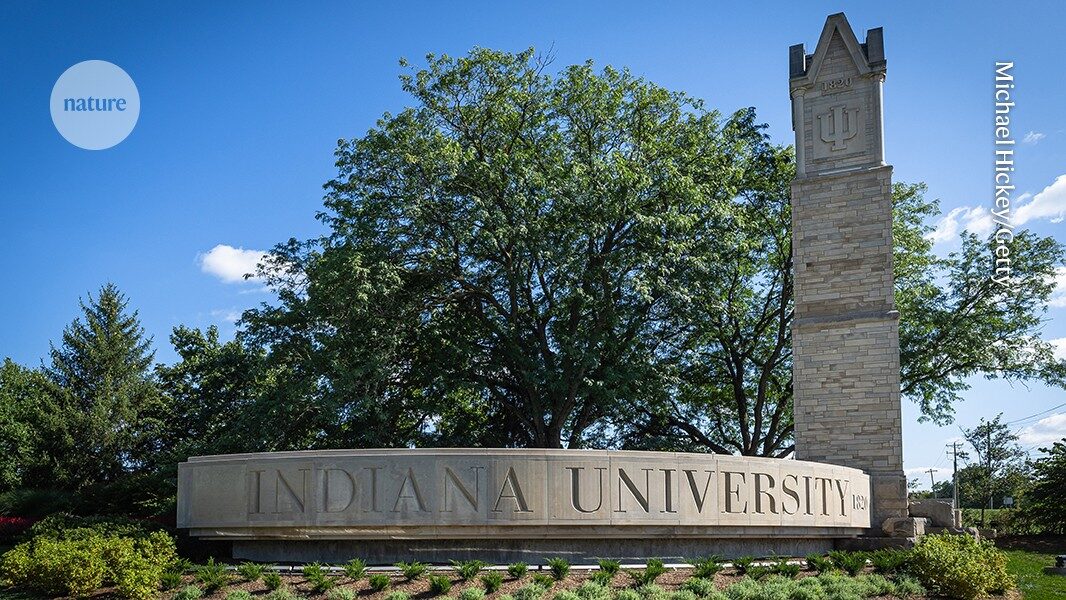
Biologists at Indiana University (IU) Bloomington have been locked out of their laboratories for more than a week, after the university suddenly changed locks on its biology building on 7 May. Although university officials restored access to some labs yesterday, many scientists among the dozens originally affected still can't reach their offices or equipment, such as freezers, where crucial reagents are stored. University officials initially told the researchers that the lockdown was done at the request of the US Department of Agriculture (USDA), which is investigating the lab of Roger Innes, a prominent plant microbiologist at IU. The US Federal Bureau of Investigation (FBI) and the USDA have been scrutinizing Innes and his research team ever since November 2025, when the FBI arrested postdoctoral fellow Youhuang Xiang for having imported biological samples into the United States from China without declaring them. The USDA has denied ordering the lab lockdown, and a 13 May agency notice sent to Innes that's been seen by Nature prohibits moving samples from the site, but does not request a lab shutdown or work stoppage. Innes and the seven members of his team had to label every biological sample in their lab, including thousands of seeds, to prepare for an official USDA inspection next week, on 19 May. Other labs with shared space have also been asked to label their seed samples....
The human genome contains around 20,000 genes that hold instructions for making working proteins, as most genetic databases now indicate. However, some scientists say there might be thousands more 'dark proteins' with unknown but potentially important roles in cells. An effort announced today in Nature1 gives thousands of these molecules encoded by the human genome an official, new name ' peptideins ' and marks their inclusion in major gene and protein databases used by the life-sciences community. Researchers say the rebranding will bring much-needed attention and effort to working out what different peptideins do in cells. Some have been implicated in diseases including childhood cancers, as well as in basic cellular functions. But what most of them do is unknown, although there is some evidence that many peptideins ' previously called microproteins or non-canonical, 'dark' proteins ' are cellular by-products without a clear function. 'This is a major breakthrough,' says Christoph Dietrich, a bioinformatician at the University of Heidelberg, Germany. 'These microproteins have the potential to really open up a new wave of research.'...


