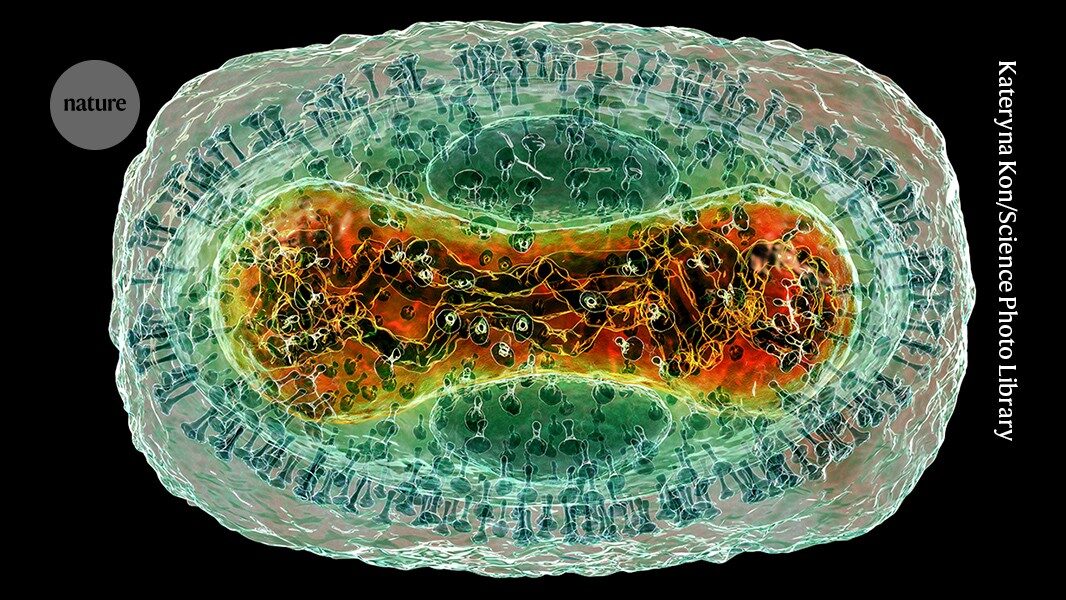
Researchers added more than 8,000 virus protein dimers ' pairs of interacting molecules ' to the AlphaFold Protein Structure Database today. The resource contains predictions of the 3D structure of proteins, which are generated using the AlphaFold2 artificial-intelligence tool and made publicly available. The added proteins come from 23 virus families, all with human-infecting members, and are part of the launch of a 'pandemic preparedness portal' within the widely used and freely available AlphaFold database. Earlier this year, researchers added predicted structures for 1.7 million pairs of interacting proteins from 20 widely studied organisms, including humans, mice and tuberculosis-causing bacteria. This marked the first time that protein complexes ' such as enzymes comprised of two identical protein strands ' had been included in the AlphaFold database, which is maintained by the European Molecular Biology Laboratory's European Bioinformatics Institute (EMBL-EBI) in Hinxton, UK. 'Many viral proteins do not act individually, they act in concert with partners,' says Joe Grove, a molecular virologist at the University of Glasgow, UK, who was part of the effort to add viral complexes to the database....
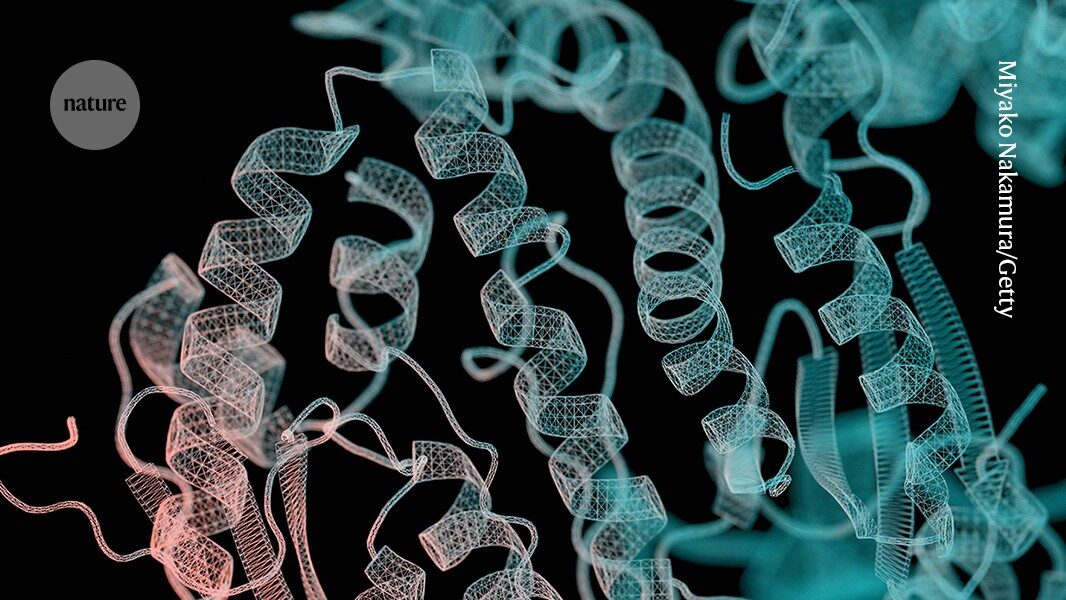
For drug discovery, protein-folding models such as AlphaFold have a data problem: there isn't enough of it in public databases. Improving the performance of these artificial-intelligence-based tools will require extra data that provide examples of how proteins and drugs interact, some scientists argue. Protein structures' locked away by the thousands in drug company vaults' offer one promising source. Today, a consortium of pharmaceutical companies reports that using such data to train AI models of protein folding improves model performance markedly. The group used OpenFold3 ' an open-source replication of AlphaFold 3 ' to develop a new model trained on more than 20,000 proprietary protein structures. The system outperformed both comparable ones trained on public data alone and those trained on the siloed datasets of individual firms. The study, described in a blog post, has not been peer-reviewed, and the model is not publicly available. The findings, he says, strengthen the case for generating similar publicly available datasets to supercharge protein-folding AIs. One such project, called OpenBind and supported by up to '8 million (US$10.8 million) in UK government funding, released hundreds of new protein structures last month, with thousands more in the works....
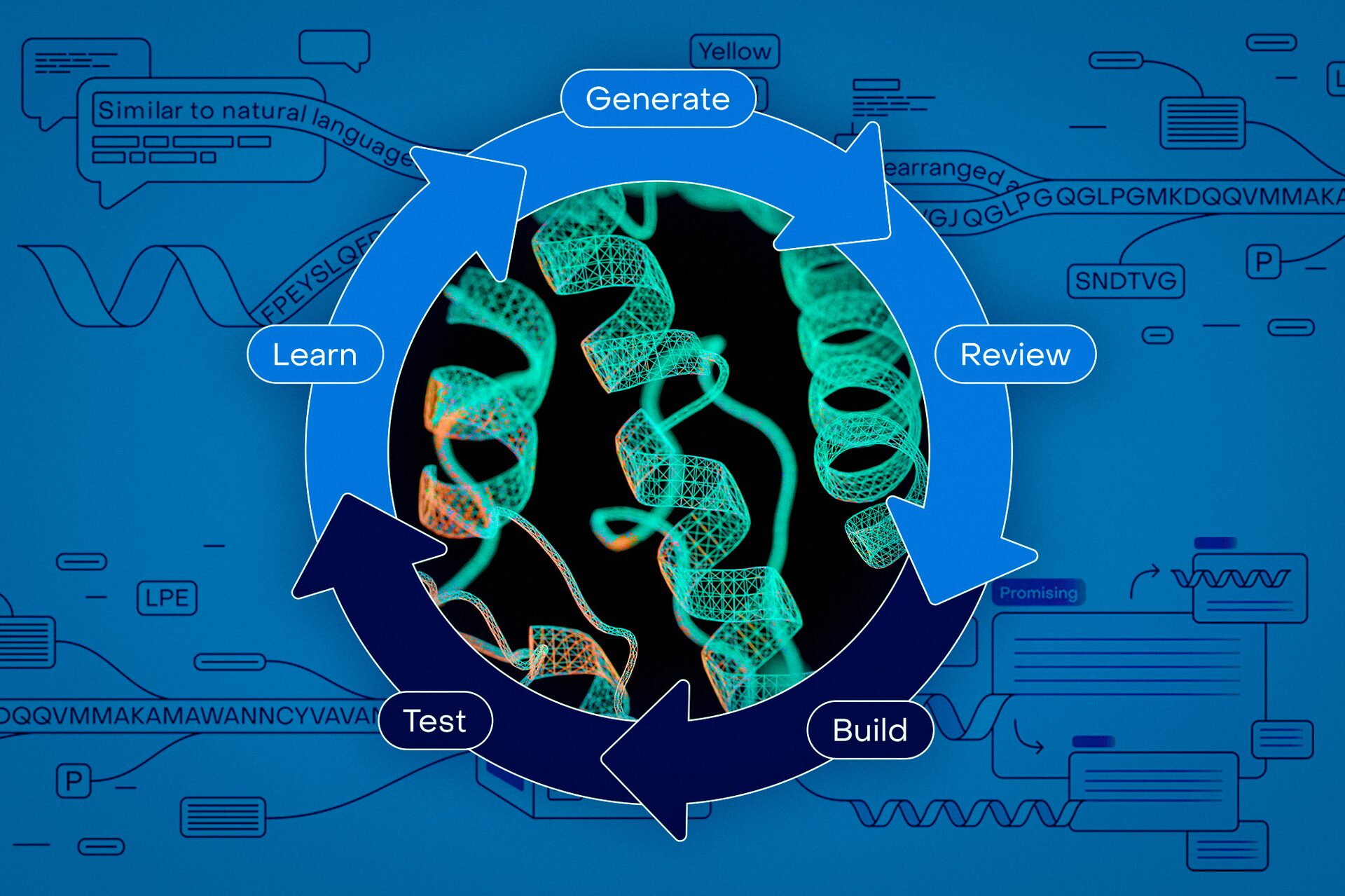
Artificial intelligence is already proving it can accelerate drug development and improve our understanding of disease. But to turn AI into novel treatments we need to get the latest, most powerful models into the hands of scientists. The problem is that most scientists aren't machine-learning experts. Now the company OpenProtein.AI is helping scientists stay on the cutting edge of AI with a no-code platform that gives them access to powerful foundation models and a suite of tools for designing proteins, predicting protein structure and function, and training models. The company, founded by Tristan Bepler PhD '20 and former MIT associate professor Tim Lu PhD '07, is already equipping researchers in pharmaceutical and biotech companies of all sizes with its tools, including internally developed foundation models for protein engineering. OpenProtein.AI also offers its platform to scientists in academia for free. 'It's a really exciting time right now because these models can not only make protein engineering more efficient ' which shortens development cycles for therapeutics and industrial uses ' they can also enhance our ability to design new proteins with specific traits,' Bepler says. 'We're also thinking about applying these approaches to non-protein modalities. The big picture is we're creating a language for describing biological systems.'...

Billions of years ago, simple organic molecules drifted across Earth's primordial landscape ' nothing more than basic chemical compounds. But as natural forces shaped the planet over hundreds of millions of years, these molecules began to interact and bond in increasingly complex ways. Along the way, something spectacular emerged: life. 'Life is, to some degree, magical,' says computational biologist Sergei Kotelnikov. Simple organic compounds congregate into polymers, which assemble into living cells and ultimately organisms ' the whole being greater than the sum of its parts. 'You can write formulas on how a molecule behaves,' he says, referring to the world of quantum mechanics. 'But yet somehow, a few orders of magnitude above, on a bigger scale, it gives rise to such a mystery.' Kotelnikov builds models to analyze and predict the structure of these biomolecules, particularly proteins, the fundamental building blocks of every organism. This year, he joined MIT as part of the School of Science Dean's Postdoctoral Fellowship to work with the Keating Lab, where researchers focus on protein structure, function, and interaction. Using machine learning, his goal is to develop new methods in protein modeling with potential applications that span from medicine to agriculture....