Retro tech is making a comeback, and this week, the Recording Industry Association of America (RIAA) put hard numbers to that trend in terms of music consumption habits. Surprisingly, the organization reported that CDs ' yes, the shiny, round things that Spotify supposedly killed ' are growing once again. According to the RIAA's new report, CDs generated $171.1 million in revenue during the first half of 2026 ' up 58.6% from roughly $107.9 million in the first half of 2025 ' on 17.5 million units sold, up 45.7% from about 12 million units in the same period last year. That rebound is all the more interesting because it follows a rough 2025. Last year's full-year report showed CD revenue had actually fallen 7.8% for the full year, from $338.9 million in 2024 to $312.4 million in 2025, while units sold dropped 11.6%, from 33.3 million to 29.5 million. The growth comes amid a surge of renewed interest in simpler tech, like so-called dumbphones, digital cameras, typewriters, landlines, and physical media like CDs and vinyl, among other categories. For Gen Z, the demand for these devices represents a sort of yearning for an era of tech they never got to experience ' where you had more control over when you engaged with technology and how, and tech itself had less room to invade your life with its notifications, addictive apps, and algorithms....

Researchers from MIT have designed a new qubit architecture that enables qubits to interact with each other much more quickly while remaining very stable. This advance could someday help scientists build practical quantum computers that can run long, complex algorithms with high accuracy. Qubits, which are the building blocks of a quantum computer, usually only store data and rely on other electronics to perform operations and communicate. But qubits are so fragile and error-prone that it is difficult for scientists to connect enough qubits before they lose their information and need to be reset. The MIT team designed a dual-purpose qubit with two separate parts: one component that stores data and one component that interacts with other qubits and electronics. This design improves the reliability of the qubit and enables it to operate with a reduced error rate, so it can perform more computations in the same time span. While this research is still in its early days, it holds the potential to help scientists build large-scale, useful quantum computers that can solve real problems which are too difficult for traditional supercomputers to handle....

The fundraise is a testament to the enduring need for social apps that connect people with one another more directly, instead of through personalized algorithms filled with creator content and now, often, AI slop. 'Something that has to be true and will be true is that people will still want to see more of their friends,' Sharp told TechCrunch in December, referring to how For You-style feeds have taken over today's social media. 'The photos and videos you take will need to find a place where they can reach the intended audience,' he said. Business Insider first spotted the SEC filing, which is under the startup's name, Lone Palm Labs. The filing, dated August 19, indicates the funding itself was closed in December. PitchBook now estimates the startup is valued at over $100 million. Launched in 2023 as more of a personal photo journal, Retro has since expanded its feature set to let users privately share photos of their week with friends; create shared albums; view and share recaps; or 'rewind' to time-travel back through photo memories....
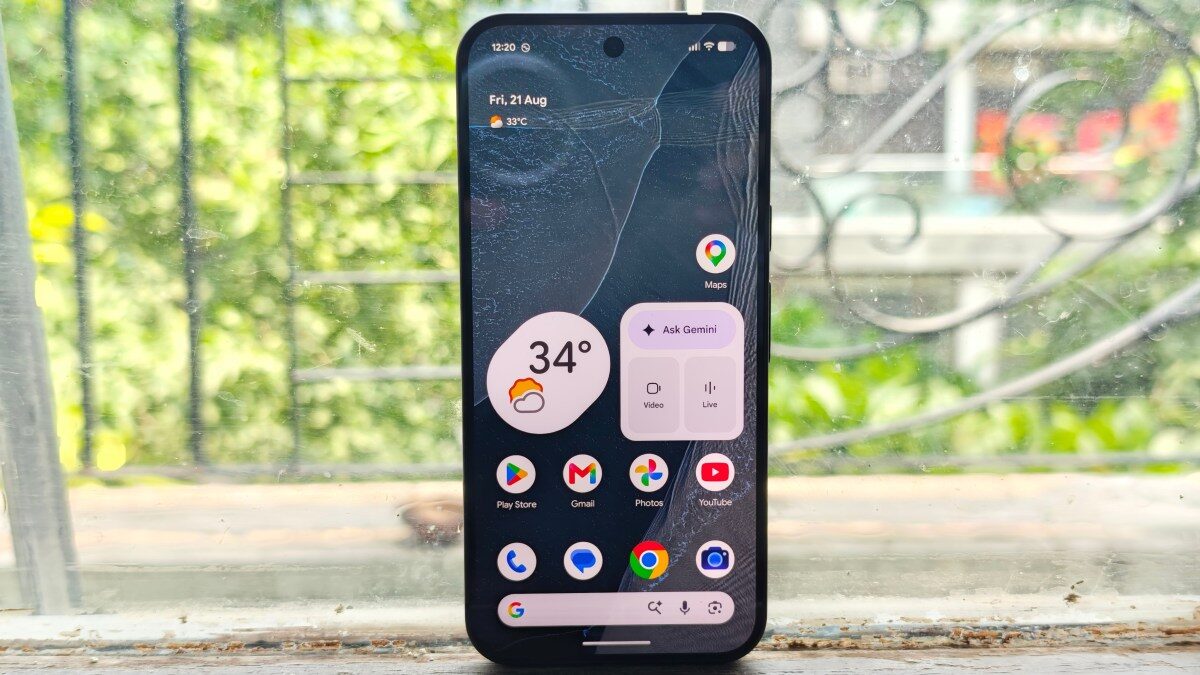
Google is making changes to its requirements for Android apps as developers face industrywide memory chip shortages driven by the AI data center boom. This week, the tech giant announced two new app quality requirements, one of which is focused on reducing apps' memory usage and optimizing its code. The company explains that the mobile industry is now facing 'significant hardware supply constraints that are altering device memory availability,' which can then, in turn, affect the consumer's experience with their devices. To address this, Google is now establishing new performance thresholds across several areas, like dynamic memory usage and bitmap usage. In addition, Google is adding code optimization requirements designed to prevent things like app slowdowns and crashes related to performance. To aid developers, the company is rolling out new tools that will alert them when their apps exceed the new thresholds so they can take action by optimizing their code. More diagnostic tools will arrive later in the year, Google noted, including deeper insights provided by a Memory Limiter feature that prevents apps from using too much device memory....