
Many of us are heading to the beach to bask in the sun and unwind as part of our summer vacations. Research has shown that spending time at the beach can provide immense relaxation for many people. Staring at the ocean puts us in a mild meditative state, the smell of the breeze soothes us, the warmth of the sand envelops us, and above all, the continuous, regular sound of the waves allows us to fully relax. But beach vacations only became popular in the 19th and early 20th centuries as part of the lifestyle of the wealthy in Western countries. Early Europeans, and especially the ancient Greeks, thought the beach was a place of hardship and death. As a seafaring people, they mostly lived on the coastline, yet they feared the sea and thought that an agricultural lifestyle was safer and more respectable. As I write in my 2016 book, 'The Sea in the Greek Imagination,' Greek literature discounts all the positive sensations of the beach and the sea and focuses on the negative ones in order to stress the discomfort the ancient Greeks felt about the beach and the sea in general....

Every year as Valentine's Day approaches, people remind themselves that not all expressions of love fit the stereotypes of modern romance. V-Day cynics might plan a 'Galentines' night for female friends or toast their platonic 'Palentines' instead. In other words, the holiday shines a cold light on the limits of our romantic imaginations, which hew to a familiar script. Two people are supposed to meet, the arrows of Cupid strike them unwittingly, and they have no choice but to fall in love. They face obstacles, they overcome them, and then they run into each other's arms. Love is a delightful sport, and neither reason nor the gods have anything to do with it. This model of romance flows from Roman poetry, medieval chivalry and Renaissance literature, especially Shakespeare. But as a professor of religion, I study an alternative vision of eros: medieval Christian mystics who viewed the body's desires as immediately and inescapably linked to God, reason and sometimes even suffering. My favorite class to teach traces connections between eros and transcendence, starting with ancient Greek literature. Centuries before Christianity, the Greeks had their own ideas about desire. Erotic love was not a pleasant diversion, but a high-stakes trial to be survived, quivering with perilous energy. These poets' and philosophers' ideas can stimulate our thinking today ' and perhaps our loving as well....
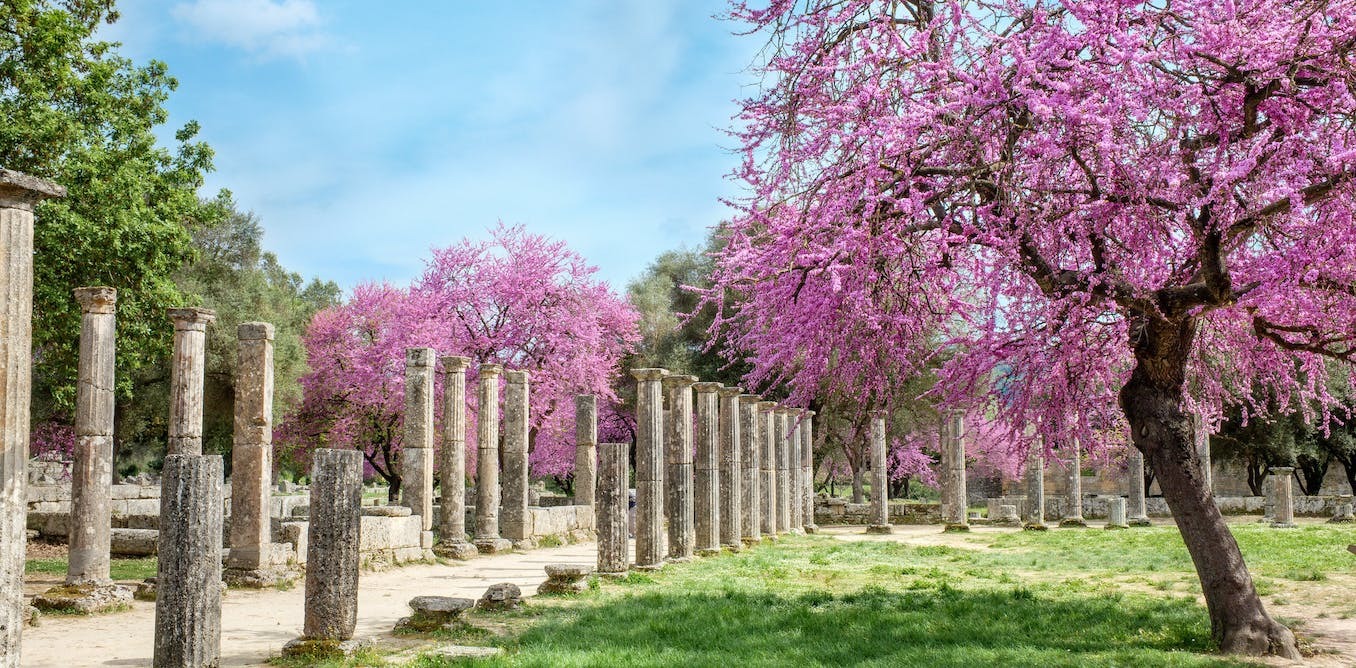
For me, gardening is the most joyful summer activity, when I can see my hard work rewarded with colorful blooms and lush greenery. Science explains this feeling by recognizing the deep bond between humans and plants. Being in a nurturing relationship with nature supports our physical and mental health. At the same time, as a scholar of Greek mythology, I also see the close relationship between humans and plants reflected in ancient stories. In fact, Greek literature and poetry often represent human life as plant life. Just like plant life, human life follows the course of the seasons. Our youth is brief and beautiful like the spring, followed by the full bloom of adulthood in summer and the maturity of middle age, which yields bounty and prosperity like the fall harvest. Finally, in the winter of our life, we wither and die, to be replaced by a new generation, as famously described in the Greek epic 'The Iliad': 'Like the generations of leaves are those of men. The wind blows and one year's leaves are scattered on the ground, but the trees bud and fresh leaves open when spring comes again.'...