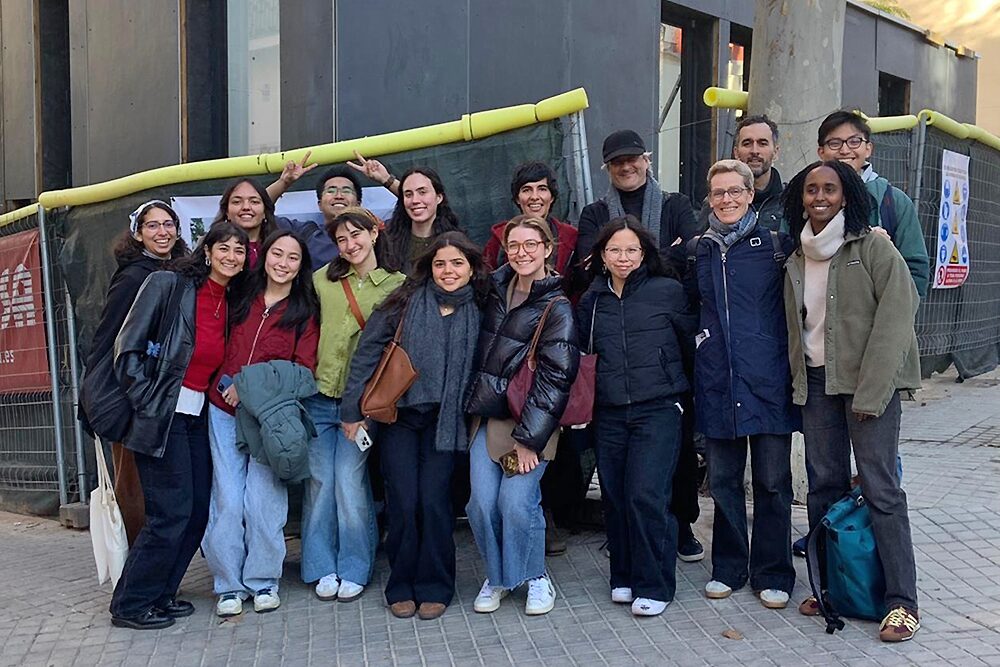
A dozen MIT students recently set out for Barcelona ' not just to study climate resilience, but to experience it firsthand. As part of STS.S22 (How to Grow Resilient Futures: Regenerative Agriculture and Economies in Catalunya, Spain), an Independent Activities Period course taught by Kate Brown, the Thomas M. Siebel Distinguished Professor in the History of Science, they stepped beyond the classroom and into living systems of sustainability. Offered as a Global Classroom through MIT International Science and Technology (MISTI), the course reimagined what learning could look like. Instead of working their way through a syllabus containing texts about sustainable farming and the power of cooperatives, Brown's students got their hands dirty. In fact, quite literally: They visited local farms and slaughterhouses; prepped, cooked, and served a cooperative dinner to migrants; and constructed a working greenhouse. In the process, they built a lasting community and forged their own visions about sustainability and how they are compelled to confront climate change ' as MIT students now, and eventually as alumni....
BNPP AM Alts is deploying capital through its Natural Capital and Impact strategy, which focuses on investments that contribute to greenhouse gas reduction, biodiversity preservation, and sustainable land use. 'We believe our investment in FarmCarbon presents an opportunity to scale up a relatively low-risk, high-quality carbon project with potentially significant co-benefits for rural populations,' said Jonathan Dean, Deputy Head of Natural Capital & Impact Private Equity at BNPP AM Alts. The investment underscores the increasing role of private capital in financing climate transition initiatives, particularly in emerging markets where scalable solutions can deliver both environmental and social impact. Subscribe to our Newsletter to increase your edge. Don't worry about the news anymore, through our newsletter you'll receive weekly access to what is happening. Join 120,000 other PE professionals today....
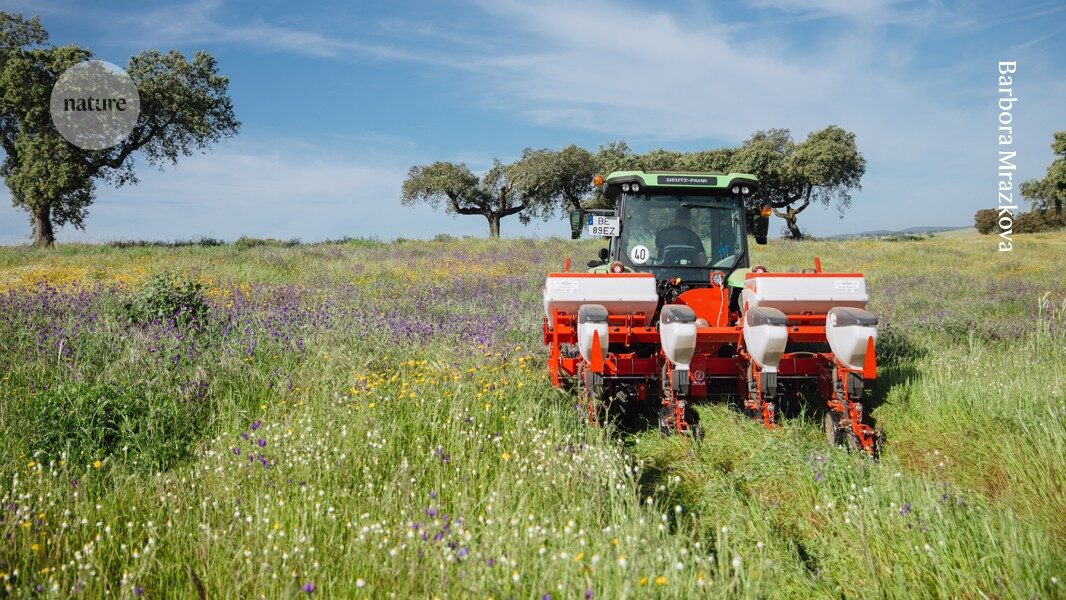
At first glance, Ruben Jorge's farm near the village of Penha Garcia in eastern Portugal doesn't seem all that unusual. But look closer, and signs emerge that Jorge is shedding tradition in the hope of future-proofing his farm. Between the rows of chestnut and pistachio saplings, a mix of grasses covers the ground where a stretch of bare dirt would typically be ' a deliberate attempt to prevent erosion. To retain water, Jorge has wrapped a blanket of wood chips around the base of each sapling. And among the young trees grow yellow lupin flowers, known as tremocilha in Portuguese, that have a special power: they capture nitrogen and store it underground. 'It's a natural fertilizer,' Jorge says, looking out over the field of chest-high saplings under an intense springtime Sun. The flowers, mowing and mulch are part of Jorge's transition to regenerative agriculture, a method of farming that prioritizes soil health, boosts biodiversity, minimizes tilling and uses pesticides sparingly. 'Anything that we can do that adds resilience to the land, that preserves this land for the future, is always a better option,' Jorge says, 'as long as it's economically viable, of course.'...
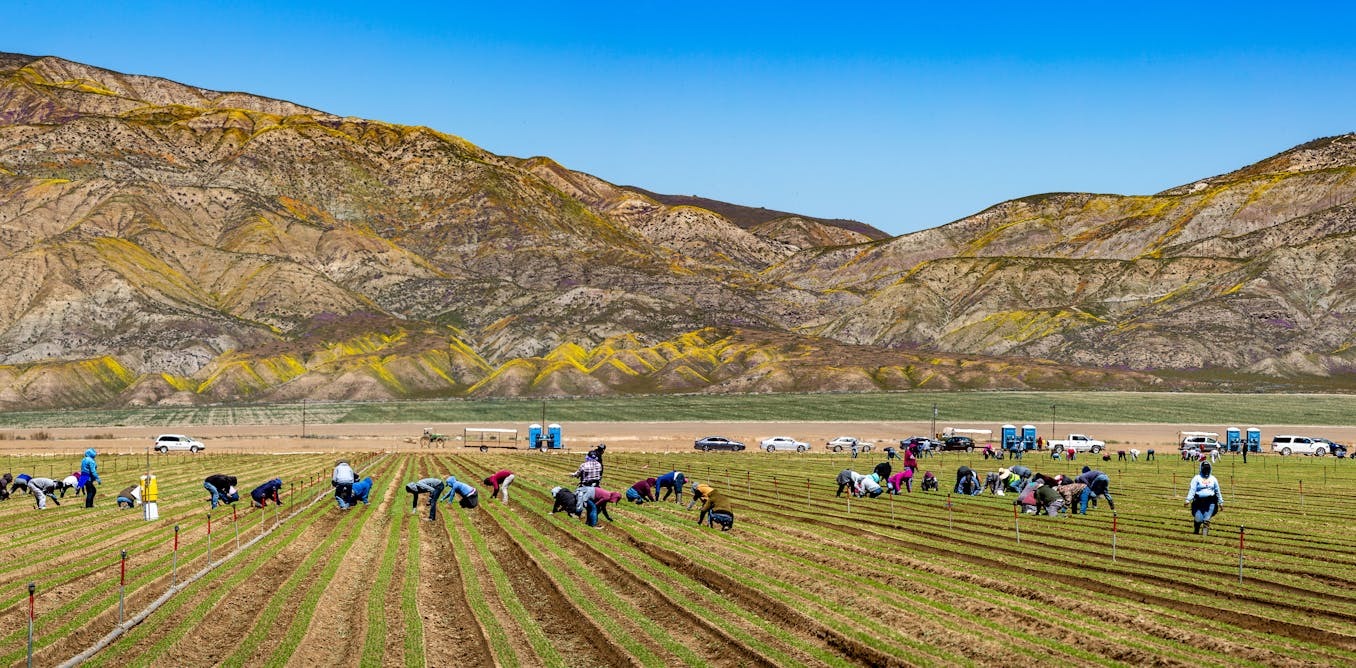
Heat and humidity contributed to kidney damage and disease in the San Luis Valley in Colorado between 1984 and 1998, according to our recently published work in the peer-reviewed journal Weather, Climate, and Society. The San Luis Valley is the largest high valley desert in North America. Many of its residents work in agriculture and are exposed to worsening air quality. That decline is due to increased wildfires, dust and temperatures, in combination with low humidity. This change was in part caused by the region's climate becoming more arid due to a 23-year drought. I'm an environmental epidemiologist with an engineering background. For nearly two decades, I have partnered with the San Luis Valley community to investigate how water systems affect human health. Over the past eight years, my team's research has focused on the far-reaching human health effects of the drought in the area. In this study, we used data from a cohort of people in the San Luis Valley who were originally recruited for research on the risk factors for Type 2 diabetes. Researchers often look to established datasets to evaluate new hypotheses because it avoids the need to recruit new study participants. This dataset includes 15 years of clinical, behavioral, demographic, genetic and environmental exposure data. Using it in our recent study allowed us to evaluate the impacts of drought conditions on kidney health....