
For most of us, that dream dissipates once traffic gets moving again. For a dedicated few, however, it's less a fantasy than a technically feasible proposition. And one that, in some version or other, they're working diligently to bring to fruition. In recent years, companies working on electric vertical takeoff and landing (eVTOL) aircraft and flying cars have raised unprecedented sums as they move closer to commercializing a vision of air travel without the huge carbon footprint or massive runways. !function(e,i,n,s){var t="InfogramEmbeds",d=e.getElementsByTagName("script")[0];if(window[t]&&window[t].initialized)window[t].process&&window[t].process();else if(!e.getElementById(n)){var o=e.createElement("script");o.async=1,o.id=n,o.src="https://e.infogram.com/js/dist/embed-loader-min.js",d.parentNode.insertBefore(o,d)}}(document,0,"infogram-async"); While the backyard flying car remains a moonshot-type proposition, the eVTOL aircraft industry is relatively mature by startup standards. Older players in the space have been around a decade or more, and total known equity funding to date is well over $5 billion....
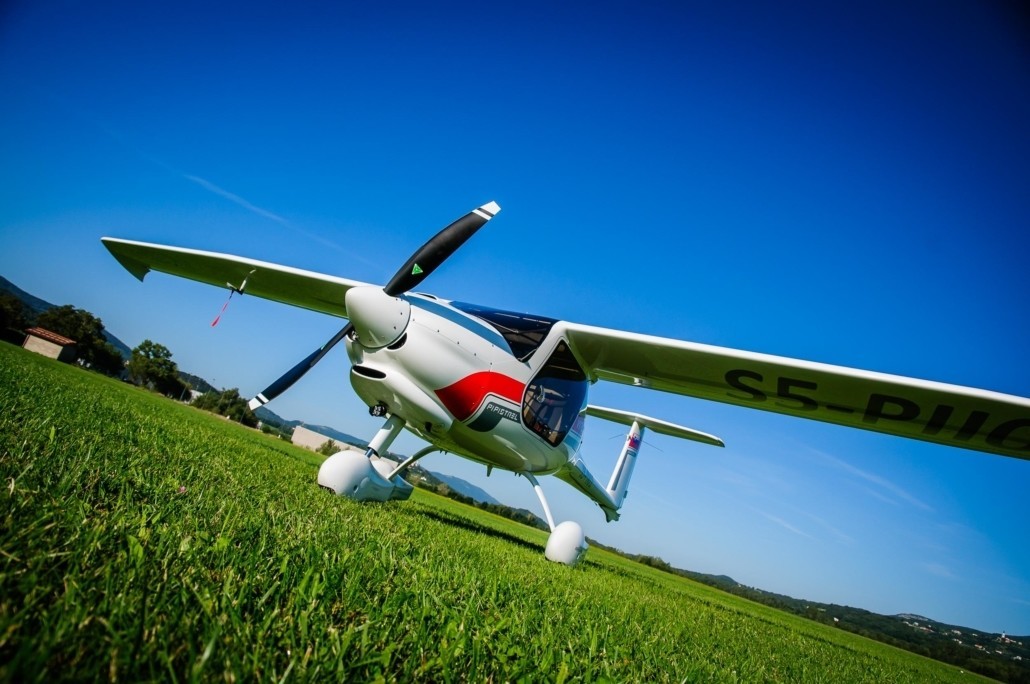
New Zealand has joined the list of nations exploring a carbon-free future for aviation after taking delivery of its first electric aircraft.
The Slovenian-built two-seater plane will be used for flight training and to give pleasure flights to people who want to experience zero-emission flying. And while it may be a first for New Zealand, itâÂÂs part of a growing global trend.
Last December, Seattle-based electric aeroengine maker Magnix claimed the worldâÂÂs first commercial electric plane flight when a modified seaplane belonging to Canadian commuter airline Harbour Air took to the air, having had its conventional engine replaced with an electric one.
The test lasted just four minutes but Magnix says it will be capable of flying for 30 minutes, with the same amount of power in reserve. Then, in June this year, the company topped that success by flying the biggest commercial electric plane so far, a battery-powered nine-seat Cessna Grand Caravan.
Carbon targets
The COVID-19 pandemic has hit the worldâÂÂs airlines hard, causing a two-thirds drop in the number of people flying. But even before the crisis, the aviation industry was facing pressure from some passengers over its environmental impact....