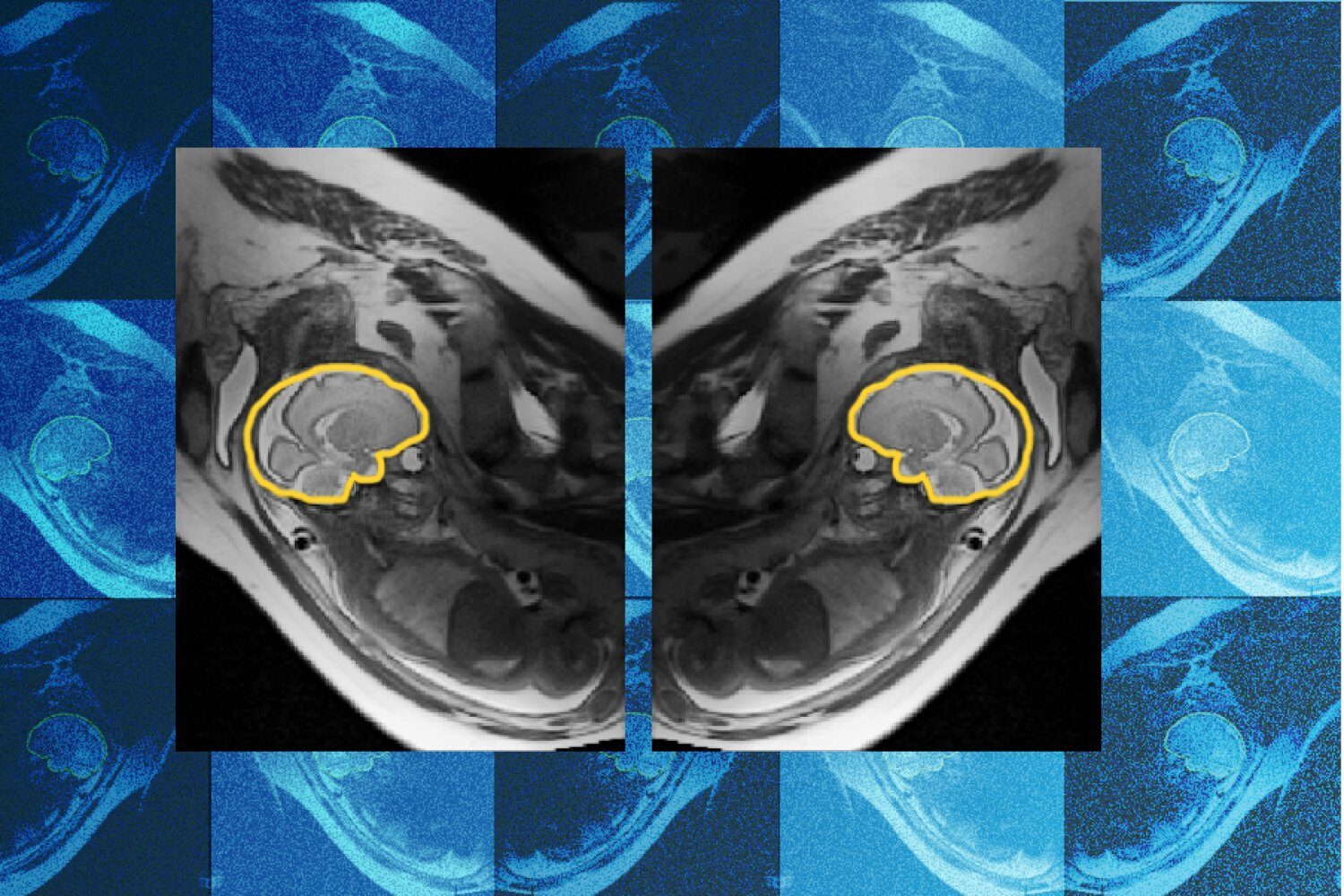
Despite millions of years of evolution, the development of the human fetus remains a complex process that is vulnerable to genetic, environmental, and metabolic disruptions. These disruptions could result in developmental abnormalities, starting with one of the first organs to begin developing in the fetus that continues to develop after birth: the brain. In a routine prenatal ultrasound, the sonographer will flag possible brain abnormalities for additional magnetic resonance imaging (MRI). But imperfect imaging can result in missed or incorrect diagnoses. To assist with the early detection and treatment of these abnormalities, researchers at MIT, Boston Children's Hospital, and Inria have developed and trained a deep learning model called E(3)-Pose that helps image the fetus's head while it's in motion to capture a high-resolution image that the radiologist can examine. A paper about the work was presented at the 2026 European Conference on Computer Vision. 'One of the problems...
learn more