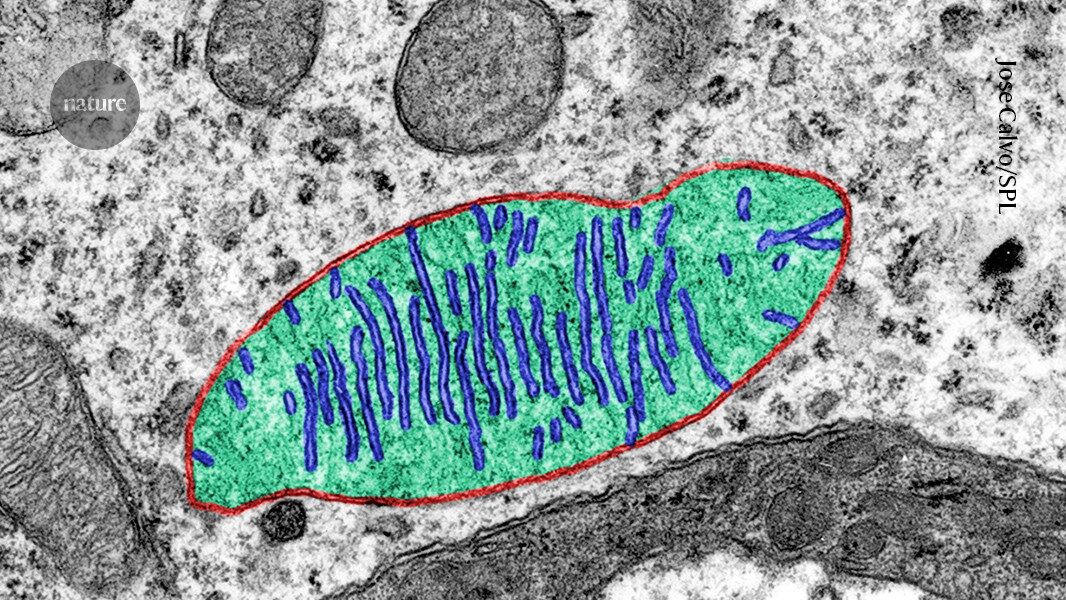
The work also identified a previously unknown molecular pathway that translates the effects of gravity on mitochondria through the mechanical action of cell adhesion ' and which could explain why protein activity drops when those effects are removed. The study was published in Nature Communications on 30 June1. The findings 'might have implications for space travellers', says Thomas Corydon, a space biologist at Aarhus University in Denmark. 'This could be used to understand how we should better prepare astronauts going into space.' Previous studies of cells and mice flown in space and of samples from astronauts have suggested that space flight leads to damage in mitochondria2. 'We saw the general overview of how mitochondrial dysregulation was happening,' says Afshin Beheshti, a space biomedicine researcher at the University of Pittsburgh in Pennsylvania who took part in the earlier work. But the molecular mechanisms through which gravity affects mitochondrial biology are poorly...
learn more