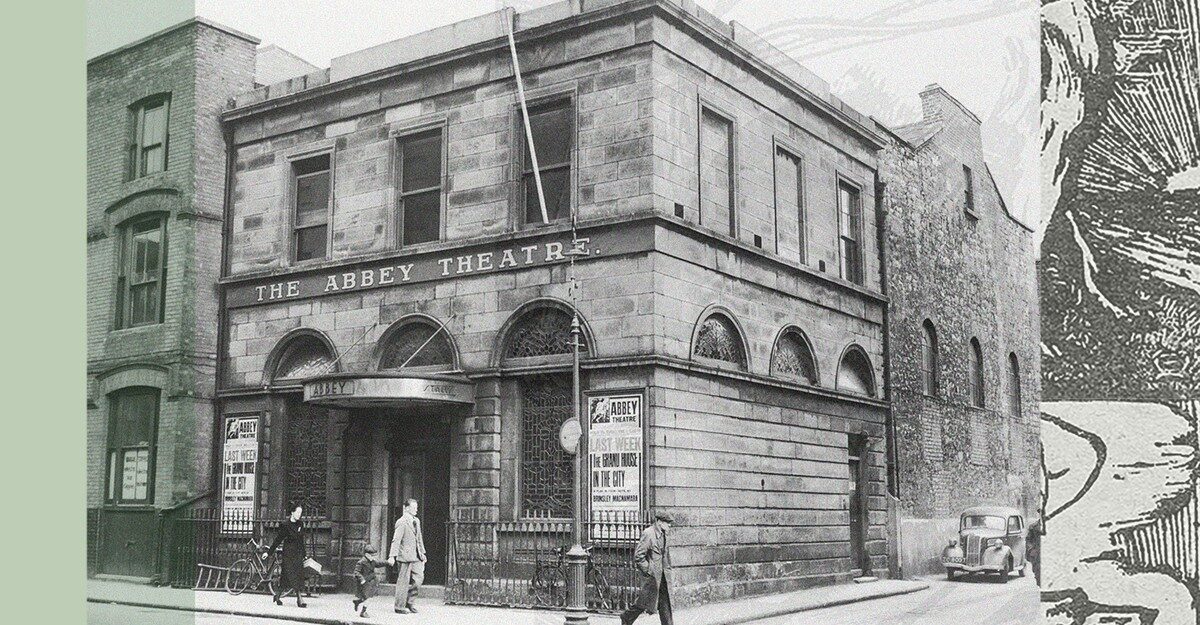
Earlier this year, as President Donald Trump engaged in a spree of cuts to federal arts funding, alongside partisan assaults on national cultural institutions such as the Kennedy Center, I found myself thinking about the Depression-era origins of government-funded art in the United States. During a time of economic and social strife, Washington responded by investing in the arts'even if it resulted in work that made some Americans uncomfortable. The Federal Theatre Project, an arm of the Depression-era Works Progress Administration, may have been the closest thing the country ever had to a true national theater. From 1935 to 1939, it engaged out-of-work actors, writers, directors, and stagehands across the country to produce plays, many of them free, that toured the U.S. and were enjoyed by some 30 million citizens, a majority of whom had never seen a live play before. Yet the most American thing about the FTP might not have been its populist spirit, but rather its tumultuous...
learn more