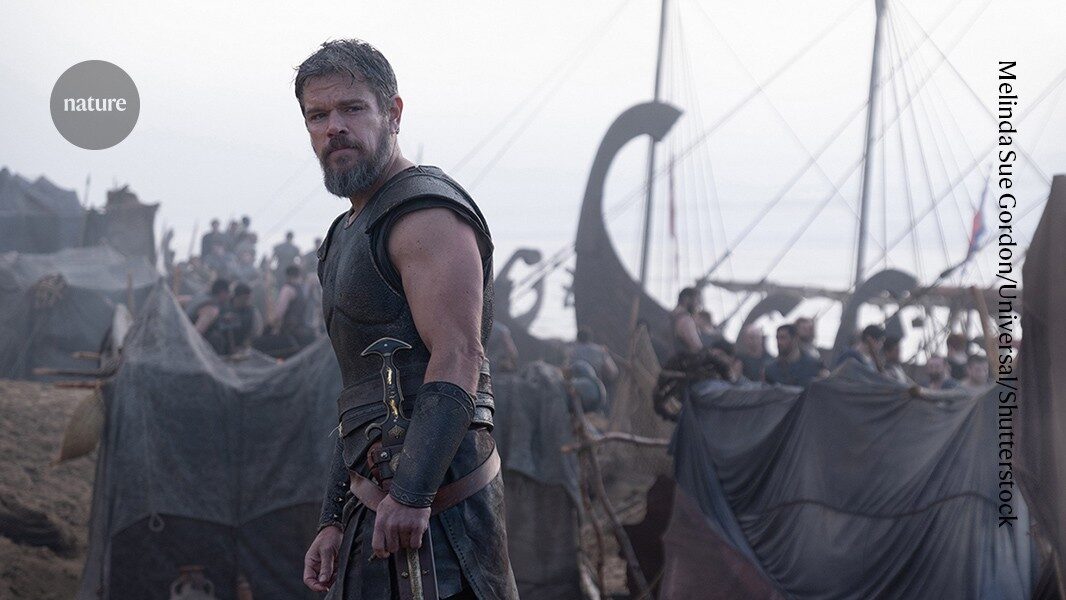
In The Odyssey, Homer records the earliest imaginings of autonomous ships guided by what sounds remarkably like artificial intelligence to modern readers. The ships of the Phaeacians, which carry Odysseus home to Ithaca, 'know every city, every fertile land'. They 'have no steersmen', and 'know by instinct what their crews are thinking and propose to do'. Homer's epic tells of the adventures and mishaps of Odysseus as he struggles home from the Trojan War. Along with its prequel, The Iliad, it is a foundational piece of literature with roots as far back as 1600 bc. But for all The Odyssey's fantastical tales of monsters and magic, it also gives glimpses into the science, medicine and technology of the Homeric world. After being transmitted orally for centuries, The Odyssey was written down during the Iron Age, around 800 bc. Accordingly, it reflects an anachronistic mix of metalwork, from iron knives and gates to bronze spears and swords that reflect its late Bronze Age roots. There...
learn more