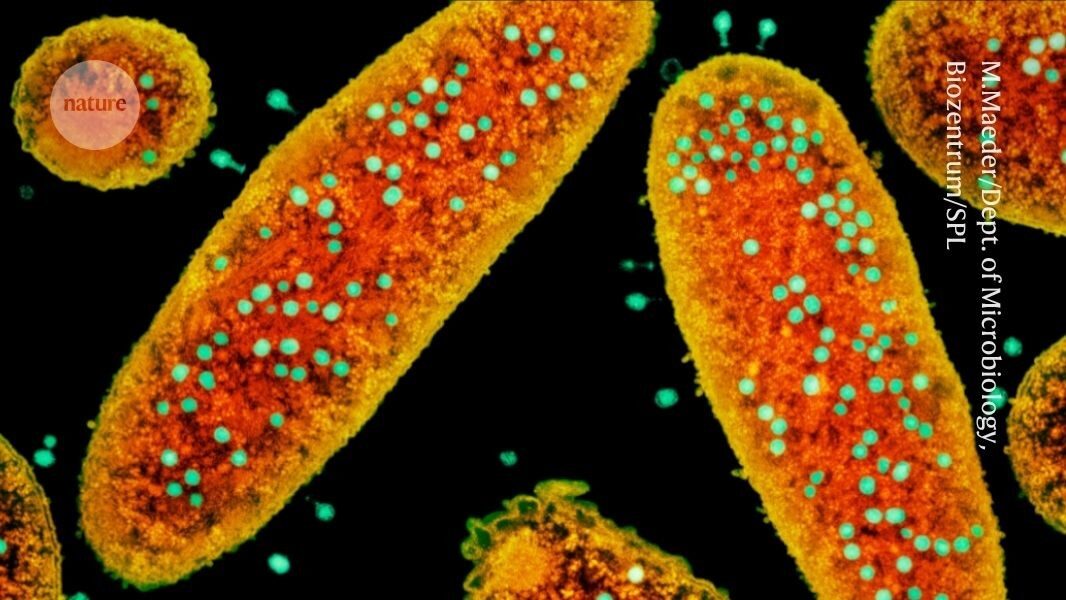
In studies published in Science today, two research teams describe the machine-learning algorithms they developed to screen bacterial genomes and identify proteins that are involved in protecting the microorganisms against viral invaders. Their analyses identified hundreds of thousands of potential antiviral proteins, which researchers could harness to develop innovative biotechnologies. Previous discoveries of antiviral immune systems in bacteria include the gene-editing system CRISPR'Cas9 and DNA-snipping proteins called restriction enzymes. Researchers have repurposed both systems to create molecular tools for genetic engineering. 'There's a hope that maybe there's a next generation of molecular tools that would come from some of these new systems,' says Michael Laub, a microbiologist at the Massachusetts Institute of Technology in Cambridge and a co-author on one of the studies1. Previous studies had confirmed that bacteria use more than 250 proteins to protect themselves from...
learn more